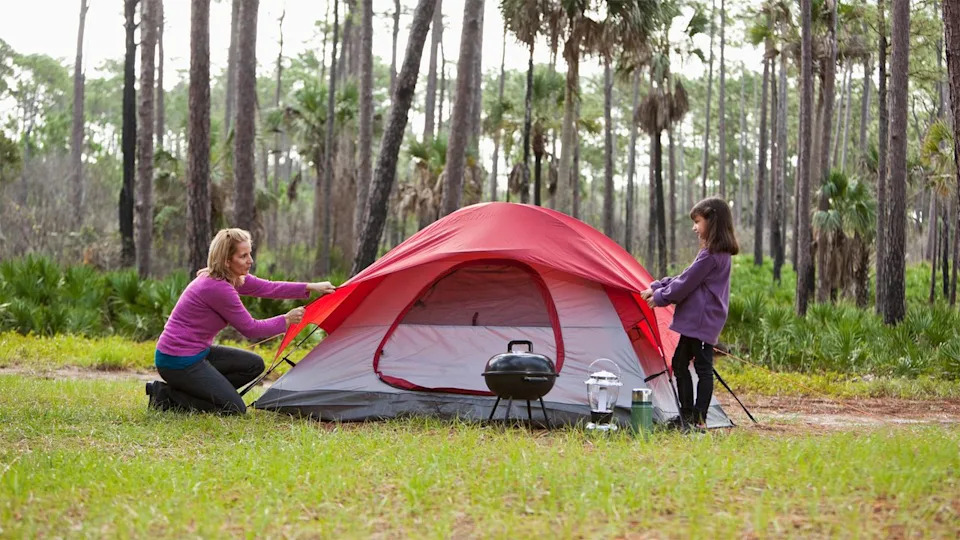
Have you ever heard someone say they’re going to “pitch a tent” and wondered what that really means? Whether you’re planning a camping trip or just curious about the phrase, understanding what pitching a tent involves can make your outdoor experience smoother and more enjoyable.
You’ll discover the simple steps behind pitching a tent and why it’s an important skill to have. Keep reading, and you’ll feel confident setting up your own shelter in no time.

Credit: www.yahoo.com
Pitching A Tent Basics
Pitching a tent means setting it up so you can sleep outdoors. It is an important skill for camping and outdoor trips.
Knowing how to pitch a tent helps you stay safe and comfortable in nature. This guide covers the basics of picking a spot, gear, and setup steps.
Choosing The Right Spot
Find a flat, dry area to pitch your tent. Avoid places that collect water or have sharp rocks. Look for natural wind protection like trees or hills.
- Check the ground for sticks and stones
- Stay away from low spots that flood
- Pick a place with some shade but not too close to trees
- Make sure the area is safe from animals and insects
Essential Gear Needed
| Gear | Purpose |
| Tent | Shelter and protection |
| Groundsheet | Protects tent floor from moisture |
| Stakes | Secure the tent to the ground |
| Guy lines | Stabilize tent in wind |
| Hammer or mallet | Drive stakes into the ground |
Step-by-step Setup
- Lay out the groundsheet on the chosen spot.
- Spread the tent body over the groundsheet.
- Assemble the tent poles and insert them through the tent sleeves.
- Raise the tent by lifting the poles and securing them.
- Drive the stakes into the ground to hold the tent corners.
- Attach guy lines and tighten them to add stability.

Credit: www.advnture.com
Types Of Tents
Pitching a tent means setting up a shelter made of fabric and poles. Tents come in many types. Each type suits different needs and activities.
Knowing the types helps you pick the right one for camping or outdoor fun. Here are common tent types used by campers.
Backpacking Tents
Backpacking tents are light and easy to carry. They fit inside a backpack for long hikes. These tents offer basic protection and save weight.
- Usually fit one to three people
- Made with lightweight materials
- Easy to set up and pack
- Designed for strong weather resistance
- Compact and space-saving
Family Tents
Family tents are bigger and more spacious. They are good for groups or families camping together. These tents have room for sleeping and storing gear.
| Feature | Description |
| Size | Large, fits 4 to 10 people |
| Setup | May take longer to pitch |
| Comfort | More headroom and separate rooms |
| Weight | Heavier, less portable |
| Use | Ideal for car camping and family trips |
Pop-up Tents
Pop-up tents open quickly and need little effort to pitch. They are good for casual camping or festivals. These tents fold flat when packed.
Key points about pop-up tents:
- Setup takes less than a minute
- Lightweight and easy to carry
- Best for mild weather
- Less durable than other tents
- Good for beginners and short trips
Tips For A Secure Setup
Setting up a tent securely is important for a comfortable camping trip. Following a few simple tips can help you ensure your tent stays safe and stable.
Below are some key points to consider when pitching your tent for a secure and enjoyable outdoor experience.
Using Tent Stakes Effectively
Tent stakes are crucial for keeping your tent grounded. They prevent the tent from moving or collapsing due to wind or movement inside the tent.
- Choose stakes that match the ground type: sand, soil, or rock.
- Drive stakes at a 45-degree angle for better hold.
- Ensure stakes are fully inserted into the ground.
Dealing With Wind And Weather
Weather conditions can affect your tent’s stability. It’s important to be prepared for wind and rain, as these can challenge your tent’s security.
Level Ground Importance
Setting up your tent on level ground is essential. It prevents discomfort during sleep and reduces the risk of the tent collapsing.
| Ground Type | Level Requirement |
| Grass | Moderate |
| Sand | High |
| Rock | Low |

Credit: www.yahoo.com
Common Mistakes To Avoid
Pitching a tent seems simple but many make avoidable errors. These mistakes can affect your comfort and safety outdoors.
Knowing what to avoid helps you set up your tent right. This saves time and keeps you dry and comfortable.
Ignoring Terrain Features
Choosing a poor spot can cause problems. Avoid rocky, uneven, or low areas that collect water.
- Do not pitch on slopes; you may slide or roll while sleeping.
- Avoid areas with sharp rocks or sticks under the tent floor.
- Stay away from low spots that flood during rain.
- Look for flat, firm ground that is clear of debris.
Overlooking Tent Orientation
How you face your tent matters. Orientation affects wind resistance and sunlight exposure.
| Orientation | Effect |
| Facing wind | Tent may shake and feel cold |
| Back to wind | Better shelter and warmth |
| Door facing east | Morning sun warms tent early |
| Door facing west | Gets afternoon sun, may be hot |
Skipping Rainfly Use
Many skip the rainfly to save time. This leaves your tent and gear wet in rain or dew.
- The rainfly protects your tent from rain and wind.
- It reduces condensation inside the tent.
- Using it improves privacy and blocks sunlight.
- Always carry and use a rainfly, even if the sky is clear.
Maintaining Your Tent
Keeping your tent in good shape helps it last longer. Proper care makes camping easier and safer.
Clean, store, and fix your tent to avoid damage and wear. These simple habits protect your gear.
Cleaning After Use
Always clean your tent after camping. Dirt and moisture can cause mold and fabric damage.
- Shake out dirt and debris outside.
- Use a soft brush or cloth for stains.
- Wash with mild soap and cold water only.
- Do not machine wash or use harsh cleaners.
- Let the tent dry fully before packing.
Proper Storage Techniques
Store your tent in a dry, cool place. Avoid direct sunlight and damp areas.
| Storage Tip | Reason |
|---|---|
| Store loosely in a large bag | Prevents fabric crushing and damage |
| Keep away from moisture | Stops mold and mildew growth |
| Avoid storing in hot places | Protects waterproof coatings |
| Air out tent occasionally | Keeps fabric fresh and dry |
Repairing Small Damages
Fix tears or holes quickly. Small problems get worse if ignored.
- Use tent repair tape for small rips.
- Patch holes with fabric patches and adhesive.
- Check zippers and fix broken teeth carefully.
- Replace broken poles or connectors promptly.
- Clean repair areas before applying patches.
Camping Essentials Beyond The Tent
Pitching a tent is just the start of a camping trip. To stay comfortable and safe, you need other gear too.
Good camping means packing the right items to sleep well, see clearly, and handle emergencies.
Sleeping Bags And Pads
Sleeping bags keep you warm and cozy at night. Pads add comfort and protect you from cold ground.
- Choose a sleeping bag rated for the temperature you expect.
- Pick a pad that fits your sleeping style and offers good insulation.
- Look for lightweight and compact options for easy carrying.
Lighting Options
Lighting helps you move safely after dark. It also sets a cozy mood around camp.
| Type | Use | Pros |
| Headlamp | Hands-free tasks | Bright, adjustable beam |
| Lantern | Illuminates area | Wide light spread |
| Flashlight | Focused light | Easy to carry |
Safety And First Aid
Safety gear and first aid kits prepare you for minor injuries and emergencies.
- Carry a well-stocked first aid kit with bandages, antiseptics, and pain relief.
- Know basic first aid skills before your trip.
- Keep a whistle and a map for emergencies.
- Store medications in a waterproof container.
Frequently Asked Questions
What Does Pitching A Tent Mean?
Pitching a tent means setting up a tent for camping or outdoor shelter. It involves assembling poles, securing fabric, and anchoring it to the ground.
How Do You Pitch A Tent Properly?
To pitch a tent properly, choose a flat site, lay the tent flat, assemble poles, attach the tent, and secure stakes firmly.
Why Is Pitching A Tent Important?
Pitching a tent is important to create a safe, weatherproof shelter. It protects you from rain, wind, insects, and provides privacy.
What Tools Are Needed For Pitching A Tent?
Basic tools for pitching a tent include tent poles, stakes, a mallet or hammer, and sometimes guy lines for extra stability.
Conclusion
Pitching a tent means setting up a temporary shelter outdoors. It is a key camping skill everyone should know. You choose a good spot, lay out the tent, and secure it with stakes. This helps protect you from weather and insects.
Camping brings you closer to nature and friends. Understanding how to pitch a tent makes camping easier and safer. Give it a try on your next outdoor trip. Simple steps lead to great adventures.