Have you ever wondered what plant food really does for your garden or houseplants? You might think it’s just another product on the shelf, but understanding how plant food works can make a huge difference in your plants’ health and growth.
Imagine giving your plants exactly what they need to thrive, bloom, and stay strong. You’ll discover the simple yet powerful role plant food plays and how it can transform your green space. Keep reading to unlock the secret to happier, healthier plants!

Credit: www.youtube.com
Role Of Plant Food In Growth
Plant food provides essential nutrients that plants need to grow well. These nutrients help plants develop strong roots, stems, and leaves.
Without the right plant food, plants can become weak and stop growing. Good plant food supports healthy growth and better yields.
Essential Nutrients For Plants
Plants need many nutrients to grow. The main ones are nitrogen, phosphorus, and potassium. These are called macronutrients.
- Nitrogen helps leaves grow green and healthy
- Phosphorus supports root and flower growth
- Potassium strengthens the plant’s overall health
Plants also need smaller amounts of nutrients like calcium, magnesium, and iron. These help with different parts of plant growth.
How Nutrients Affect Plant Development
Nutrients help plants make food through photosynthesis. They build strong cells and tissues for growth.
Lack of nutrients can cause slow growth and weak plants. Proper nutrients improve leaf size, color, and flower production.
- Nitrogen boosts leaf growth and green color
- Phosphorus increases energy for roots and flowers
- Potassium improves disease resistance and water use
Impact On Root And Shoot Growth
Plant food helps roots grow deep and strong. Healthy roots absorb more water and nutrients from the soil.
Good nutrient supply also supports shoots, stems, and leaves. This helps plants stand tall and catch sunlight for food.
- Phosphorus is key for root development
- Nitrogen helps shoots and leaves grow
- Potassium strengthens stems and helps water flow

Credit: www.gardenary.com
Types Of Plant Food
Plant food helps plants grow healthy and strong. It provides nutrients plants need to live. Different types of plant food suit different plants and soil types.
Choosing the right plant food depends on your plant’s needs. Some foods are natural, while others are made in labs. Understanding these types helps you care for plants better.
Organic Vs Synthetic Fertilizers
Organic fertilizers come from natural sources like compost and manure. They release nutrients slowly and improve soil health. Plants absorb these nutrients over time.
Synthetic fertilizers are made from chemicals. They provide nutrients quickly and in exact amounts. These fertilizers help plants grow fast but may not improve soil long-term.
- Organic fertilizers improve soil structure
- Synthetic fertilizers act faster
- Organic options are eco-friendly
- Synthetic fertilizers are easy to measure
Common Nutrient Formulations
Plant foods contain three main nutrients: nitrogen, phosphorus, and potassium. These are called N-P-K and are shown as numbers on packages. Each nutrient helps plants in different ways.
Nitrogen helps leaves grow green and healthy. Phosphorus supports roots and flowers. Potassium strengthens the plant and fights disease.
| Nutrient | Function | Example Sources |
|---|---|---|
| Nitrogen (N) | Leaf growth and green color | Blood meal, urea |
| Phosphorus (P) | Root and flower development | Bone meal, rock phosphate |
| Potassium (K) | Plant strength and disease resistance | Wood ash, potassium sulfate |
Specialty Plant Foods For Specific Needs
Some plants need special nutrients or care. Specialty plant foods meet these unique needs. They target specific problems or boost certain growth parts.
Examples include fertilizers for acid-loving plants, bloom boosters, and slow-release formulas. These help plants grow their best in special conditions.
- Acid-loving plant food for azaleas and blueberries
- Bloom boosters with extra phosphorus for flowers
- Slow-release fertilizers for long-term feeding
- Micronutrient mixes for iron or magnesium needs
Benefits Of Using Plant Food
Plant food provides essential nutrients that help plants grow strong and healthy.
Using plant food supports the natural processes in plants and improves their overall health.
Enhanced Photosynthesis And Energy
Plant food supplies key minerals like nitrogen and magnesium. These minerals help plants make food through photosynthesis.
- Increases chlorophyll production
- Boosts energy for growth
- Improves leaf color and strength
Improved Resistance To Pests And Diseases
Plants with good nutrition can fight off pests and diseases better. Plant food strengthens their natural defenses.
| Benefit | Effect on Plant |
| Stronger cell walls | Harder for pests to damage plants |
| Better immune response | Plants recover faster from infections |
| Healthier growth | Less stress and vulnerability |
Increased Yield And Flowering
Plant food helps plants produce more flowers and fruits. This leads to a higher yield of crops or garden plants.
- Supports root and bud development
- Improves nutrient uptake
- Extends flowering period
- Enhances fruit size and quality
Credit: www.epa.gov
Application Techniques
Plant food helps plants grow by providing essential nutrients. The way you apply it can make a big difference. Learn the best techniques to maximize growth.
Proper application helps plants absorb nutrients effectively. Let’s explore some methods for optimal plant health.
Soil Preparation And Timing
Preparing the soil is crucial for nutrient absorption. Timing is also important to ensure plants get what they need.
- Loosen the soil before applying plant food.
- Water the soil lightly after application.
- Apply plant food in the early morning or late afternoon.
Foliar Feeding Methods
Foliar feeding involves spraying nutrients directly onto leaves. This method can be quicker than soil application.
Ensure leaves are dry to prevent burning. Avoid spraying during hot, sunny days.
Dosage And Frequency Tips
Correct dosage and frequency are key for healthy plants. Too much can harm, while too little won’t help.
| Plant Type | Dosage | Frequency |
| Flowering Plants | 1 teaspoon per plant | Every 2 weeks |
| Vegetables | 1 tablespoon per plant | Weekly |
| Herbs | 1/2 teaspoon per plant | Every 3 weeks |
Signs Of Nutrient Deficiency
Plant food provides essential nutrients for growth and health. Without enough nutrients, plants show clear signs of stress. Recognizing these signs helps fix problems early.
Understanding nutrient deficiency symptoms lets gardeners keep plants strong. Each missing nutrient causes different effects on leaves, stems, and roots.
Common Deficiency Symptoms
Plants display various symptoms depending on which nutrient is lacking. Some common signs include yellowing leaves, stunted growth, and weak stems.
- Nitrogen deficiency: Older leaves turn pale or yellow.
- Phosphorus deficiency: Leaves may darken or develop purple hues.
- Potassium deficiency: Leaf edges turn brown or curl up.
- Magnesium deficiency: Yellow patches appear between leaf veins.
- Iron deficiency: New leaves become yellow while veins stay green.
Diagnosing Nutrient Imbalances
To diagnose nutrient problems, observe plant symptoms closely. Soil tests also help identify which nutrients are low or missing.
| Nutrient | Symptom | Affected Plant Part |
| Nitrogen | Yellowing | Older Leaves |
| Phosphorus | Purple Coloring | Leaves and Stems |
| Potassium | Brown Leaf Edges | Leaf Margins |
| Magnesium | Yellow Between Veins | Older Leaves |
| Iron | Yellow New Leaves | Young Leaves |
Corrective Measures
Fix nutrient deficiencies by adding the right fertilizers. Use balanced plant food or target specific nutrients based on symptoms.
- Test soil to confirm nutrient levels.
- Choose fertilizer with needed nutrients.
- Apply fertilizer according to package directions.
- Water plants well after fertilizing.
- Monitor plants for improvement over weeks.
Environmental Considerations
Plant food helps plants grow by providing nutrients. It is important to use it carefully. Using too much plant food can harm the environment.
Understanding how plant food affects nature can help protect soil, water, and air. This guide covers key environmental points.
Preventing Overfertilization
Overfertilization means adding too much plant food. It can cause nutrients to wash away into water systems. This can pollute rivers and lakes.
Using the right amount of plant food saves money and protects water quality. Testing soil helps know the exact needs of plants.
- Measure soil nutrients before applying fertilizer
- Follow recommended application rates
- Avoid fertilizing before heavy rain
- Use slow-release fertilizers when possible
Sustainable Practices
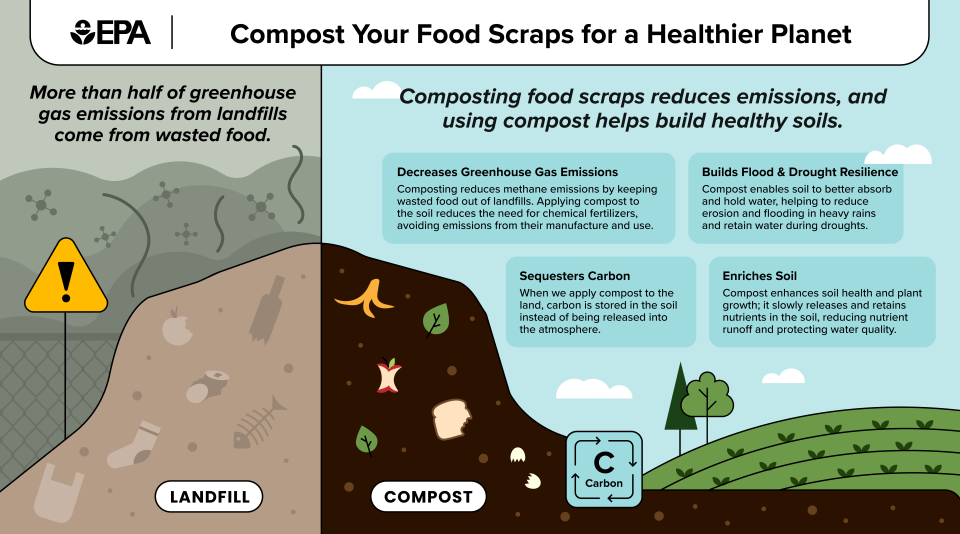
Sustainable use of plant food means helping plants without hurting nature. It includes using natural or organic fertilizers.
Mixing plant food with compost or manure improves soil naturally. Crop rotation and cover crops also reduce the need for chemical fertilizers.
- Use organic fertilizers like compost or manure
- Plant cover crops to protect soil
- Rotate crops to keep soil healthy
- Apply fertilizer only when plants need it
Impact On Soil Health
Plant food changes soil by adding nutrients. Good soil helps plants grow strong and resist disease.
Too much fertilizer can harm soil life. It can kill helpful microbes and insects that keep soil healthy.
- Balanced fertilizer keeps soil nutrients healthy
- Healthy soil supports plant roots and water retention
- Avoid excess fertilizer to protect soil organisms
- Regularly add organic matter to improve soil texture
Frequently Asked Questions
What Does Plant Food Do For Plant Growth?
Plant food provides essential nutrients that promote healthy growth. It supplies nitrogen, phosphorus, and potassium, helping plants develop strong roots, leaves, and flowers.
How Does Plant Food Improve Soil Quality?
Plant food enriches soil by adding vital minerals. It enhances soil fertility, structure, and water retention, supporting sustainable plant growth over time.
When Should I Apply Plant Food To My Plants?
Apply plant food during active growth phases, usually in spring and summer. Follow product instructions for timing and frequency to avoid overfeeding.
Can Plant Food Help Plants Resist Diseases?
Yes, balanced plant food boosts plant immunity. Nutrient-rich plants are stronger and more capable of resisting pests and diseases naturally.
Conclusion
Plant food helps plants grow strong and stay healthy. It gives them essential nutrients like nitrogen, phosphorus, and potassium. These nutrients support root growth, leaf development, and flower production. Using the right plant food improves soil quality and increases plant resistance to disease.
It helps plants make food through photosynthesis more efficiently. Choosing suitable plant food depends on the plant type and soil condition. Regular feeding leads to better harvests and greener gardens. Simple care and proper nutrition make plants thrive. Plant food is a key part of healthy gardening.