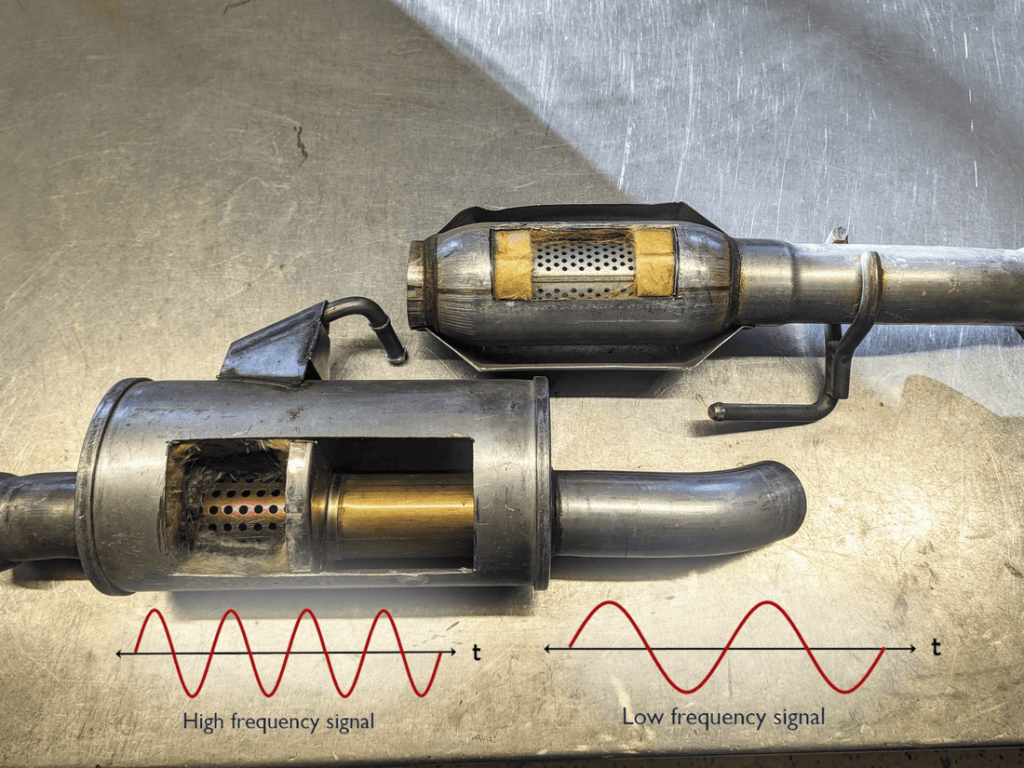
Have you ever wondered why your car sounds the way it does? The secret often lies in a small but powerful part of your exhaust system called the resonator.
If you’re looking to improve your ride’s sound or boost its performance, understanding what a resonator does is key. This simple component can change the noise your vehicle makes, reduce annoying vibrations, and even help your engine breathe better. Keep reading to discover how the resonator works and why it matters for your car’s exhaust system.

Credit: www.amazon.ca
Role Of Resonators In Exhaust Systems
A resonator is a key part of a vehicle’s exhaust system. It helps control the sound that comes from the engine.
Resonators work with mufflers to reduce noise. They make the engine sound smoother and less harsh.
Reducing Unwanted Noise
The main job of a resonator is to cut down on certain noise frequencies. It targets sounds that are sharp or annoying.
It cancels out sound waves by creating opposite waves. This reduces the loudness of the engine noise.
Improving Exhaust Sound Quality
Resonators help make the exhaust sound more pleasant. They soften the deep and rough sounds from the engine.
This makes the car sound smoother and quieter without lowering performance.
Enhancing Engine Efficiency
By smoothing sound waves, resonators also help the exhaust gases flow better. This can improve engine breathing.
Better gas flow means the engine runs more efficiently and uses fuel better.
Supporting Mufflers In Noise Control
Resonators work with mufflers to control overall exhaust noise. Each has a different role in sound reduction.
The resonator removes specific sound frequencies. The muffler reduces the total sound volume.
Differences Between Resonators And Mufflers
Resonators and mufflers are parts of a car’s exhaust system. They both help control sound. Each part works in a different way. Knowing their differences helps you understand car noise better.
Both parts reduce engine noise but have separate jobs. Resonators tune sound waves. Mufflers lower the noise level more deeply. This guide explains how each part works and affects sound.
Functionality Comparison
Resonators and mufflers serve unique roles in exhaust systems. Here are their main functions:
- Resonators:They smooth out specific sound frequencies. Resonators reduce drone and unwanted tones inside the car.
- Mufflers:They block and absorb sound waves. Mufflers lower overall noise to meet legal limits.
- Location:Resonators are usually placed before mufflers in the exhaust line.
- Design:Resonators have chambers that reflect sound waves. Mufflers use baffles and packing materials to reduce noise.
Impact On Sound
The sound changes caused by resonators and mufflers vary a lot. The table below shows their impact on sound.
| Feature | Resonator | Muffler |
|---|---|---|
| Sound Type | Tunes and smooths specific frequencies | Reduces overall loudness |
| Sound Effect | Reduces drone and harsh tones | Makes exhaust quieter and softer |
| Noise Level | Moderate reduction | High reduction |
| Sound Quality | Sharpens or cleans sound | Muffles or quiets sound |
How Resonators Affect Vehicle Sound
A resonator is a part of the exhaust system. It helps change how the car sounds when it runs.
It works with the muffler to make the engine noise softer or deeper. This makes the driving experience nicer.
Sound Frequency Modulation
Resonators change the sound waves inside the exhaust pipe. They target certain sound frequencies to reduce noise.
This process lowers high-pitched sounds and smooths out the engine noise. It helps avoid loud or harsh sounds.
Influence On Exhaust Tone
The resonator shapes the tone of the exhaust sound. It can make the engine sound deeper or more mellow.
By adjusting the tone, the resonator helps create a more pleasant and balanced sound while driving.

Credit: www.carparts.com
Resonator Design And Construction
The resonator is a key part of a car’s exhaust system. It helps reduce noise and improve sound quality.
The design and construction of a resonator affect how well it works. Different shapes and materials change its performance.
Materials Used
Resonators are made from strong materials that resist heat and corrosion. This helps them last longer in the exhaust system.
Common materials include stainless steel, aluminized steel, and sometimes titanium for high-end parts.
- Stainless steel:Very durable and resists rust.
- Aluminized steel:Cost-effective and protects against corrosion.
- Titanium:Lightweight and strong but expensive.
Shape And Size Considerations
Resonators come in different shapes like cylindrical, oval, or chambered. The shape affects how sound waves move inside.
Size matters because it changes the frequency of sound the resonator cancels. Bigger resonators reduce more noise but take more space.
- Cylindrical:Common and easy to fit in many vehicles.
- Oval:Fits tight spaces and offers good sound control.
- Chambered:Has internal walls to target specific sound waves.
- Size:Larger size means better noise reduction but less space efficiency.
Benefits Of Using A Resonator
A resonator is a part of the exhaust system that helps control sound and airflow. It works with the muffler to reduce noise and improve engine performance. Using a resonator offers key benefits for drivers who want a quieter and smoother ride.
This guide explains the main benefits of a resonator in two areas: noise reduction and performance enhancement. Both help make driving more comfortable and efficient.
Noise Reduction
The resonator lowers the noise made by the engine and exhaust gases. It changes the sound waves inside the exhaust to reduce harsh noises. This creates a quieter, more pleasant sound inside and outside the vehicle.
- Reduces loud engine noise
- Eliminates droning sounds at certain speeds
- Improves overall sound quality
- Makes driving less stressful for passengers
Performance Enhancement
The resonator also helps the engine run better by improving exhaust flow. It reduces back pressure, which allows gases to leave the engine faster. This can lead to smoother acceleration and better fuel use.
| Benefit | Effect |
| Improved Exhaust Flow | Better engine breathing |
| Reduced Back Pressure | Smoother acceleration |
| Enhanced Fuel Efficiency | Lower fuel consumption |
| Engine Longevity | Less stress on engine parts |
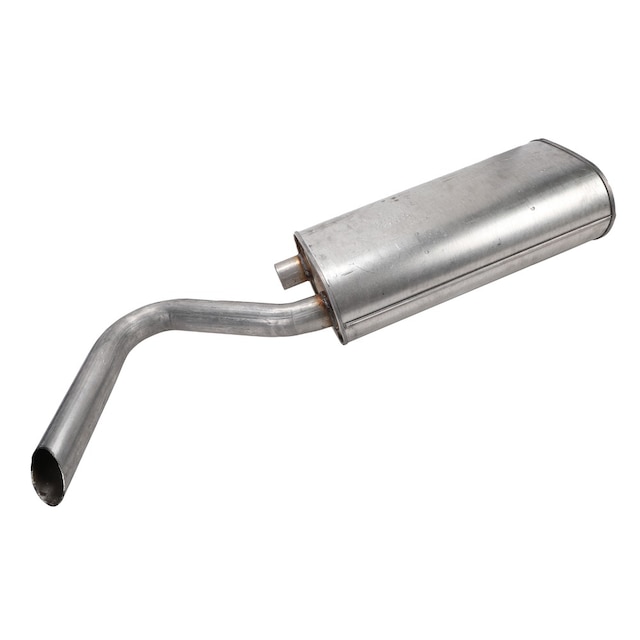
Credit: parts.cadillac.com
Types Of Resonators
Resonators play an important role in a vehicle’s exhaust system. They help control sound and improve airflow. Different types of resonators work in unique ways.
Two common types of resonators are Glasspack resonators and Chambered resonators. Each type has its own design and effect on exhaust sound.
Glasspack Resonators
Glasspack resonators are simple and cylindrical. They have a straight pipe inside surrounded by sound-absorbing fiberglass. This design reduces noise by absorbing sound waves.
- They are lightweight and easy to install.
- They provide a deep, smooth exhaust tone.
- Less restrictive for exhaust flow.
- Often used in performance cars for better sound.
Chambered Resonators
Chambered resonators use internal chambers to change sound waves. The chambers reflect and cancel specific sound frequencies. This helps lower unwanted noise.
| Feature | Glasspack Resonators | Chambered Resonators |
|---|---|---|
| Design | Straight pipe with fiberglass | Multiple internal chambers |
| Sound | Deep and smooth tone | Noise cancellation and smoother sound |
| Installation | Simple and lightweight | More complex, heavier |
| Use | Performance and muscle cars | Street and daily driving |
Installation And Maintenance Tips
A resonator in an exhaust system reduces noise and improves sound quality. Proper installation and maintenance help it work well and last longer.
This guide shares easy tips for installing and maintaining your resonator safely and effectively.
Installation Best Practices
Install the resonator in the right place to reduce noise and vibration. Make sure it fits well with the exhaust pipes.
Use quality clamps or welding to secure the resonator. Check for leaks after installation to avoid exhaust escaping.
- Measure the exhaust pipe size before buying a resonator
- Clean the pipe ends to remove rust and dirt
- Align the resonator with the exhaust pipe for a tight fit
- Tighten clamps evenly to avoid gaps
- Test the system for leaks or rattles after installation
Maintenance Guidelines
Check the resonator regularly for rust, damage, or loose parts. Early fixes prevent bigger problems.
Keep the exhaust system clean and dry. Avoid driving through deep water to reduce rust risk.
- Inspect the resonator every 6 months for cracks or holes
- Tighten or replace clamps if they become loose
- Clean the exhaust system to remove dirt and debris
- Replace the resonator if it shows severe rust or damage
- Listen for unusual sounds that may signal a problem
Choosing The Right Resonator
A resonator is part of the exhaust system that changes sound and reduces noise. Picking the right resonator helps your vehicle run smoothly and sound better.
Different resonators fit different needs. It is important to know what to look for before buying one.
Factors To Consider
Size and shape affect how the resonator works. A bigger resonator may reduce more noise but can affect engine power.
The material also matters. Stainless steel lasts longer but costs more. Aluminum is lighter but may wear out faster.
- Resonator size affects noise reduction and engine flow
- Material impacts durability and price
- Design influences the sound quality
- Installation type should match your exhaust system
Compatibility With Vehicle Models
Not all resonators fit every car. Check if the resonator matches your vehicle’s make and model before buying.
Using a resonator made for your vehicle ensures proper fit and function. It also avoids extra modifications.
| Vehicle Type | Resonator Fit | Notes |
| Sedan | Standard size resonators | Most models use similar parts |
| SUV | Larger resonators | May need custom fit |
| Truck | Heavy-duty resonators | Built for higher power |
| Sports Car | Performance resonators | Focus on sound and flow |
Common Myths About Resonators
Many people have wrong ideas about what a resonator does in a car’s exhaust system. These myths can cause confusion and lead to bad choices.
It is important to understand the real role of a resonator. This helps to know how it affects noise and performance.
Myth-busting Facts
Some believe resonators make cars louder. Actually, resonators reduce certain sound frequencies to smooth exhaust noise. They do not simply increase volume.
Another myth is that resonators improve engine power. While they help sound quality, they have little to no effect on performance or speed.
- Resonators control noise, not boost power.
- They help reduce drone inside the car.
- Removing a resonator can make your car louder but may cause unpleasant noise.
- Resonators do not filter harmful gases.
Clarifying Misconceptions
Some think resonators are the same as mufflers. This is not true. Mufflers reduce overall noise, while resonators target specific sound waves to refine the tone.
| Myth | Fact |
|---|---|
| Resonators increase engine power | They mainly affect sound, not power |
| Resonators and mufflers are the same | They have different roles in noise control |
| Removing resonators always improves performance | It may cause harsh noise and does not boost speed |
| Resonators filter harmful exhaust gases | They do not affect emissions |
Frequently Asked Questions
What Is The Main Purpose Of A Resonator In Exhaust?
A resonator reduces specific sound frequencies from the exhaust. It smooths engine noise, creating a quieter, more pleasant sound. It also helps improve airflow and can enhance overall exhaust performance.
How Does A Resonator Affect Exhaust Sound?
A resonator modifies sound waves to reduce harshness. It cancels out drone and unwanted noise frequencies. This results in a deeper, smoother exhaust tone without reducing engine power.
Can A Resonator Improve Vehicle Performance?
Yes, a resonator can improve exhaust flow and reduce backpressure. This can lead to better engine efficiency and slight power gains. However, its main role is noise tuning, not major performance boosts.
Is A Resonator Necessary In All Exhaust Systems?
No, not all exhausts require a resonator. It depends on vehicle design and desired sound levels. High-performance or aftermarket systems often include resonators for better sound control.
Conclusion
A resonator helps make your car’s exhaust sound smoother and less noisy. It works with the muffler to reduce unwanted noises. This part also helps improve airflow in the exhaust system. By doing so, it can support better engine performance.
Understanding the resonator’s role can help you maintain your vehicle. It’s a small part but makes a big difference in sound and function. Keep your exhaust system in good shape for a quieter drive. Simple, but important.