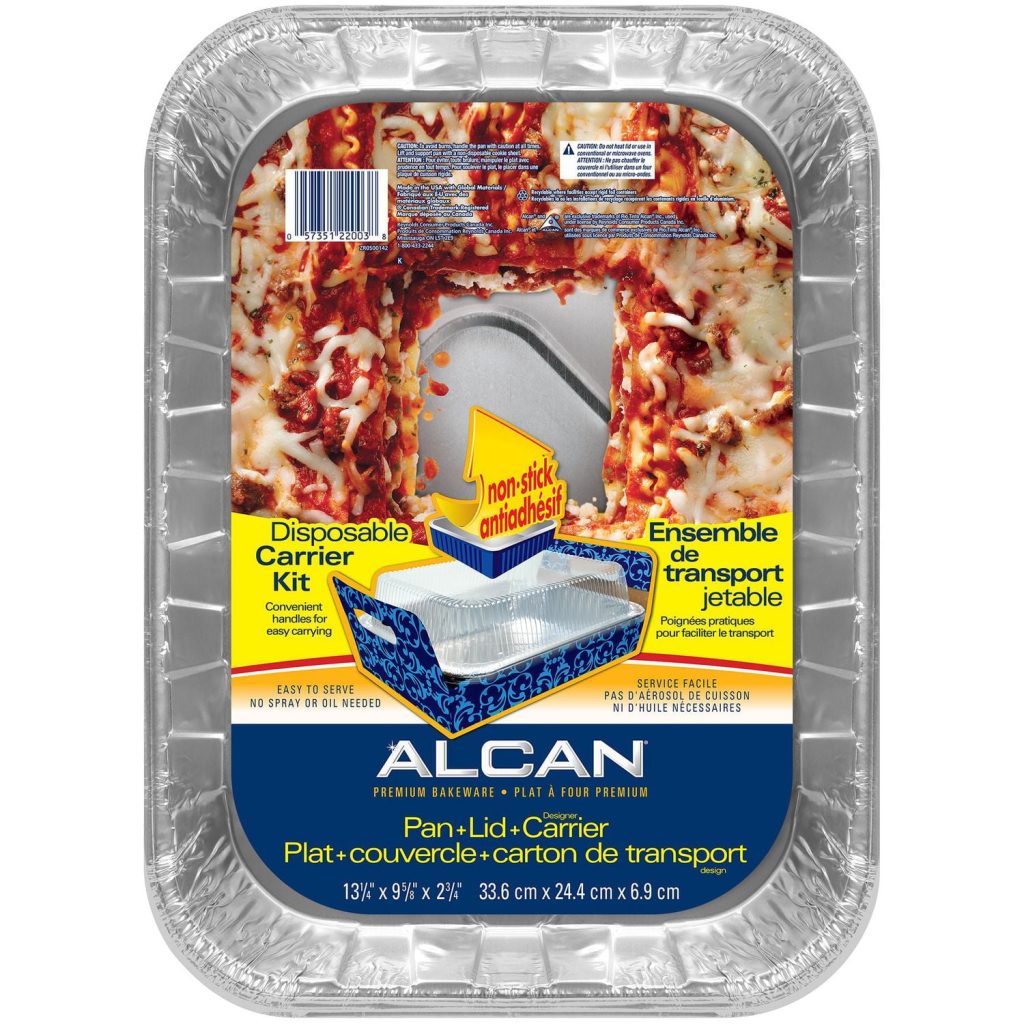
Have you ever come across the phrase “tent aluminum lid” while making lasagna and wondered what it really means? You’re not alone.
Understanding this simple kitchen tip can make a big difference in how your lasagna turns out—whether it’s perfectly cooked or a bit soggy. You’ll discover exactly what a tent aluminum lid means for your lasagna and how using it can help you create a delicious, well-cooked meal every time.
Keep reading to unlock this easy cooking secret that can elevate your lasagna game instantly.
Credit: www.walmart.ca
Tent Aluminum Lid Technique
The tent aluminum lid technique is a simple way to cover lasagna while baking. It helps keep the dish moist and prevents the top from burning.
This method uses aluminum foil loosely placed over the lasagna to form a tent shape. This allows steam to escape and keeps the cheese from drying out.
Purpose And Benefits
Tenting with aluminum foil protects the lasagna during baking and improves the final result. It controls heat and moisture levels inside the pan.
- Prevents cheese and toppings from burning.
- Keeps the edges from drying out.
- Maintains moisture for a tender texture.
- Allows even cooking by trapping heat.
- Makes cleanup easier by reducing splatters.
How To Tent Properly
Use a large piece of aluminum foil to cover the lasagna without touching the cheese. The foil should form a peak or tent to avoid sticking to the top.
- Preheat the oven to the recipe’s temperature.
- Cut a sheet of aluminum foil larger than the baking dish.
- Place the foil over the lasagna, creating a tent shape.
- Seal the edges lightly to hold the foil in place.
- Bake for most of the cooking time covered.
- Remove the foil near the end to brown the cheese.
| Step | Action | Reason |
| 1 | Cover lasagna with foil tent | Protects cheese from burning |
| 2 | Bake covered most of the time | Retains moisture |
| 3 | Remove foil before finishing | Allows browning |
Choosing The Right Aluminum Foil
Aluminum foil is a common kitchen item for cooking and storing food. Choosing the right type helps keep food fresh and cooks evenly.
Not all aluminum foil is the same. Thickness and strength affect how well it works for different dishes, like a tent aluminum lid for lasagna.
Thickness Matters
Foil thickness affects durability and heat resistance. Thicker foil holds heat better and is less likely to tear.
- Thin foil is easy to tear but good for wrapping light foods.
- Medium thickness works well for cooking and storage.
- Thick foil is best for heavy cooking and grilling.
Heavy-duty Vs. Regular Foil
Heavy-duty foil is stronger and more tear-resistant than regular foil. It is ideal for covering dishes like lasagna with a tent aluminum lid.
| Type | Thickness (mils) | Best Use |
| Regular Foil | 0.016 | Light wrapping, baking |
| Heavy-Duty Foil | 0.024 | Grilling, covering large dishes |
Maintaining Moisture In Lasagna
Using a tent aluminum lid helps keep lasagna moist during baking. It traps steam inside the dish.
This moisture prevents the lasagna from drying out while cooking. It makes each layer soft and tasty.
Preventing Dry Layers
The aluminum lid acts like a shield over the lasagna. It stops the top from drying too fast.
Steam inside keeps the cheese and noodles from getting hard or crunchy. This makes the texture better.
- Blocks direct heat from the oven
- Traps steam to soften layers
- Keeps cheese melted and creamy
Retaining Sauce And Flavor
The lid keeps the sauce inside the lasagna hot and thick. It stops the sauce from evaporating.
Flavors stay locked in because steam does not escape. This makes the lasagna taste richer and fresh.
- Prevents sauce from drying out
- Locks in herbs and spices
- Maintains the dish’s juiciness

Credit: theculinarystoryteller.ca
Controlling Browning And Crisping
Using a tent aluminum lid while baking lasagna helps control how the top browns and crisps. It keeps the heat balanced so the cheese melts well without burning.
The aluminum lid acts like a shield. It stops the cheese from cooking too fast and drying out. This way, your lasagna looks and tastes better.
Achieving Golden Cheese
A tent aluminum lid lets the cheese melt evenly. It helps the top reach a nice golden color without getting dark spots.
Keep the lid loose to allow steam to escape. This stops the cheese from getting soggy while it browns.
- Place aluminum foil over the lasagna
- Lift the foil slightly to create a tent
- Remove foil in last 10 minutes to brown cheese
Avoiding Overcooked Edges
The edges of lasagna cook faster and can burn. Using a tent aluminum lid protects these parts from too much heat.
Covering the whole pan with a tent slows down cooking on the sides. It keeps the edges soft and prevents dryness.
- Make sure foil covers the pan edges well
- Check the lasagna often near the end
- Adjust foil if edges brown too fast
Timing And Temperature Tips
Understanding how to use a tent aluminum lid for lasagna helps with cooking. It controls heat and moisture during baking. Timing and temperature are important for perfect results.
This guide explains the best cooking time and how to adjust your oven settings with a tent aluminum lid.
Optimal Cooking Time
Using a tent aluminum lid slows down the cooking slightly. It keeps the lasagna moist and prevents the top from burning. Usually, cook lasagna covered for most of the time.
- Cover lasagna with a tent aluminum lid for about 75% of cooking time.
- Remove the lid in the last 15 to 20 minutes to brown the top.
- Total cooking time is often 45 to 60 minutes at 350°F (175°C).
- Check for bubbling sauce and hot center before removing from oven.
Adjusting Oven Settings
| Oven Setting | With Tent Aluminum Lid | Without Lid |
|---|---|---|
| Temperature | 350°F (175°C) | 350°F (175°C) |
| Cooking Time | 45-60 minutes | 35-50 minutes |
| Cover | Covered 75%, uncovered last 20% | Uncovered whole time |
| Effect | Moist lasagna, less burnt top | Faster browning, drier top |
Credit: www.walmart.ca
Common Mistakes To Avoid
Using a tent aluminum lid on lasagna helps keep it moist while baking. Many people make simple errors that change the cooking results. Avoid these mistakes to get the best lasagna texture and flavor.
This guide shows two common mistakes with tent aluminum lids. Fix these to cook lasagna perfectly every time.
Over-tightening The Foil
Wrapping the foil too tightly around the lasagna traps steam. This can make the dish soggy and unevenly cooked. The lid should cover loosely, like a tent.
A tight cover blocks air and steam flow. This causes the top to stay wet and the edges to dry out. Leave some space for steam to escape.
- Do not press foil directly on the lasagna
- Leave a small gap between foil and food
- Use enough foil to cover but not seal tightly
Neglecting Ventilation
Ventilation helps steam escape while keeping heat inside. Without it, moisture builds up and makes lasagna watery. A tent foil lid needs small openings.
Make small holes or fold corners slightly to let steam out. This keeps the top from becoming soggy and the cheese from over-browning.
- Make two or three small holes in the foil
- Do not cover edges tightly to allow air flow
- Check during cooking to prevent too much moisture
Alternative Methods For Covering
When baking lasagna, covering the dish keeps moisture inside. It stops the top from drying out. Many cooks use a tent aluminum lid for this.
There are other options for covering lasagna if you do not have an aluminum lid. These choices help keep heat and moisture steady.
Using Parchment Paper
Parchment paper works well to cover lasagna during baking. It is heat resistant and stops direct heat from burning the top.
- Cut a large piece to fit over the dish
- Place it loosely on top to allow steam to escape
- Use it with a baking sheet for extra protection
- Discard after use for easy cleanup
Reusable Silicone Lids
Reusable silicone lids offer an eco-friendly way to cover lasagna. They stretch to fit different dish sizes and trap heat well.
| Feature | Benefit |
| Flexible material | Fits various pans |
| Heat resistant | Safe for oven use |
| Easy to clean | Dishwasher safe |
| Reusable | Reduces waste |
Frequently Asked Questions
What Does Tent Aluminum Lid Mean In Lasagna Cooking?
Tent aluminum lid means loosely covering lasagna with foil. It allows steam to escape, preventing sogginess and ensuring even cooking.
Why Use A Tent Aluminum Lid For Lasagna?
Using a tent aluminum lid keeps lasagna moist. It stops the top from burning while the inside cooks thoroughly.
How Does A Tent Aluminum Lid Affect Lasagna Texture?
The tent foil traps heat gently, keeping lasagna tender. It prevents drying out and keeps cheese melted perfectly.
Can I Replace A Tent Aluminum Lid With Other Covers?
Yes, you can use parchment paper under foil. This method still protects the lasagna while allowing steam to escape.
Conclusion
Understanding the term “tent aluminum lid” helps with lasagna baking. It means covering the dish loosely with foil. This method stops the top from burning while cooking. It keeps the lasagna moist and tender inside. Use this simple trick for better cooking results.
Try it next time you make lasagna. Small steps like this improve your cooking skills. Enjoy delicious, well-cooked lasagna every time.