Have you ever spotted those fuzzy, orange-striped caterpillars munching on your trees and wondered what they become? Tent caterpillars are more than just garden pests—they transform into something quite surprising.
Understanding what tent caterpillars turn into can help you take better care of your plants and satisfy your curiosity. Keep reading, and you’ll discover the fascinating life cycle of these little creatures and how they impact your outdoor space.
Credit: www.brodybrotherspestcontrol.com
Tent Caterpillar Lifecycle
Tent caterpillars are common insects that form silk tents in trees. Their lifecycle has four main stages. Each stage looks very different.
Understanding these stages helps to know what tent caterpillars turn into. It also shows how they grow and change.
Egg Stage
Tent caterpillars start as eggs laid on tree branches. The eggs are small and dark brown. They are glued tightly in a ring around the twig.
Eggs stay on the tree during winter. They hatch in early spring when the weather warms up.
Larval Stage
Once hatched, the larvae are tiny caterpillars. They begin to spin silken tents in the tree branches. These tents protect them from birds and weather.
- The larvae feed on leaves near their tents.
- They grow quickly and shed their skin several times.
- This stage lasts for about six weeks.
- Larvae live in groups and work together.
Pupal Stage
After the larval stage, caterpillars become pupae. They leave the tent and find a safe spot to spin a cocoon.
Inside the cocoon, the caterpillar changes into a moth. This stage can last one to three weeks depending on the weather.
Adult Moth
| Feature | Description |
|---|---|
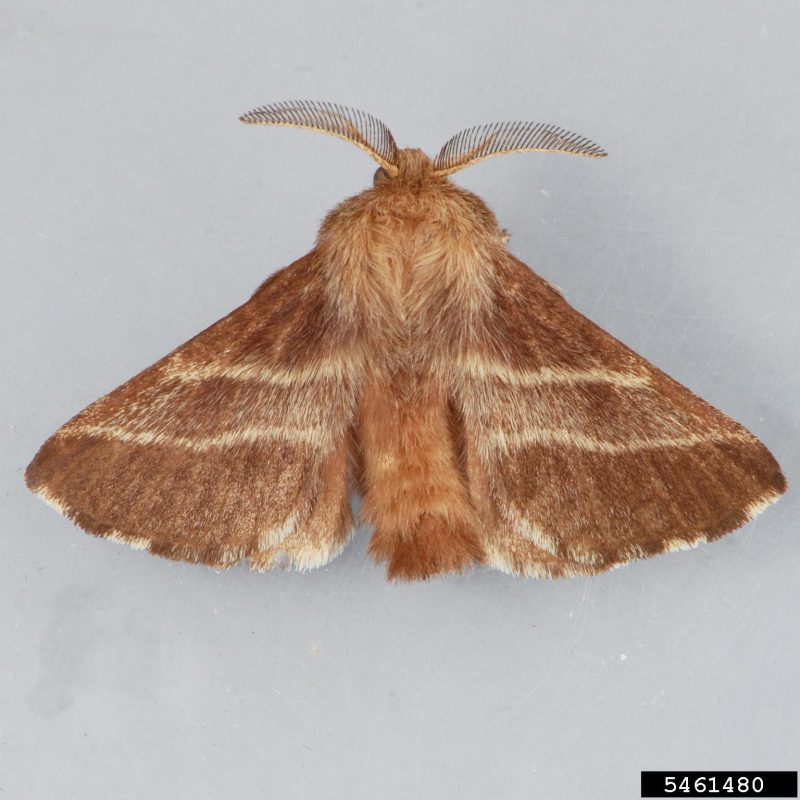
| Appearance | Brownish wings with white and blue markings |
| Size | Wingspan about 1.5 inches |
| Behavior | Active at night, does not feed |
| Purpose | Reproduce and lay eggs for new lifecycle |
Adult moths live a short time. Their main job is to mate and lay eggs. Then the lifecycle starts again.
Identifying Tent Caterpillars
Tent caterpillars are common insects that many people see in spring. They are easy to spot if you know what to look for.
These caterpillars build silk tents in trees and have distinct features and behaviors. Learning about them helps you identify them correctly.
Physical Features
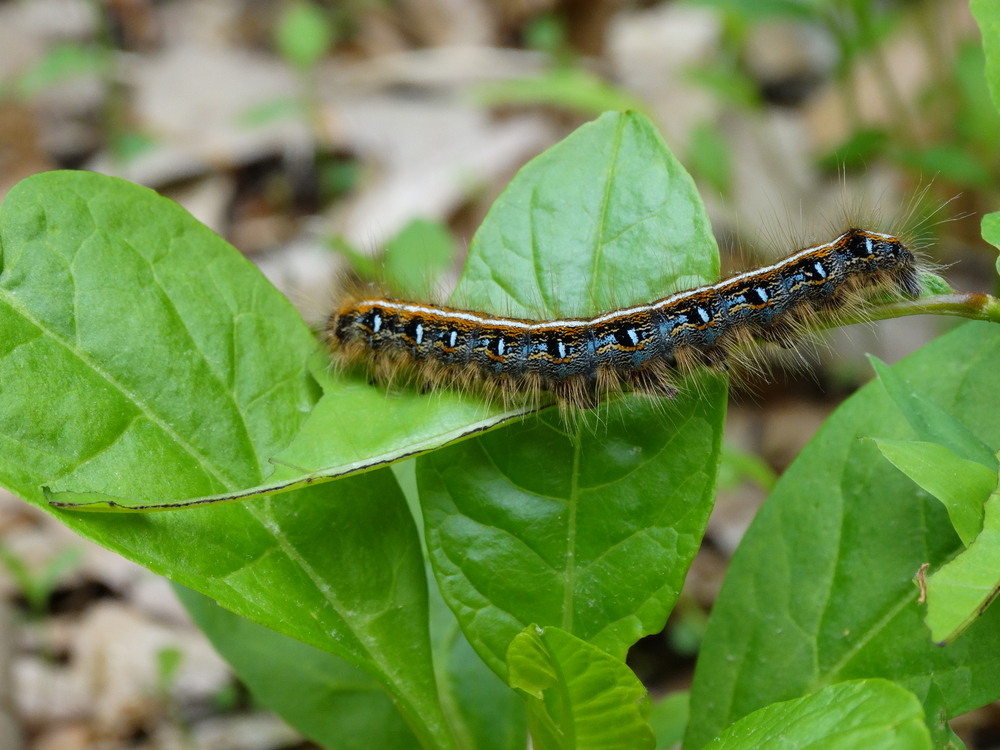
Tent caterpillars have hairy bodies and bright colors. Their main colors are usually brown, black, and white.
They have a white stripe running down the middle of their back. Small blue and black spots appear on their sides.
- Hairy body covered with fine hairs
- White stripe along the back
- Blue and black spots on sides
- About 2 inches long when fully grown
Behavior Patterns
Tent caterpillars are social insects. They live and feed together in groups.
They feed mostly in the morning and return to their nests in the evening. They move slowly and stay close to their tents.
- Live in groups on trees
- Feed together on leaves
- Active mostly in the morning
- Return to nests at night
Nest Characteristics
Tent caterpillars build silk tents in the forks of tree branches. These tents protect them from predators and weather.
The tents look like white webbing or sheets. They grow larger as the caterpillars grow and can cover large areas of the tree.
- Silk tents built in tree branches
- White, web-like appearance
- Protect caterpillars from danger
- Tents grow as caterpillars grow
Moth Species From Tent Caterpillars
Tent caterpillars are fascinating creatures. They transform into moths after their caterpillar stage. There are different species of moths from tent caterpillars.
Each species has unique traits and characteristics. They are important for understanding these moths better.
Eastern Tent Caterpillar Moth
The Eastern Tent Caterpillar Moth is common in North America. It has a brown color with pale lines across its wings.
This moth is not very large. Its wingspan is about one inch. They are active during the evening.
Forest Tent Caterpillar Moth
The Forest Tent Caterpillar Moth looks different. It has a more muted, dusty color. Its wings are also covered in subtle patterns.
These moths are found in forests. They have a slightly larger wingspan than the Eastern Tent Caterpillar Moth.
Differences Between Species
There are several differences between these two moth species. Their colors and habitats vary greatly.
- The Eastern Tent Caterpillar Moth is more colorful.
- The Forest Tent Caterpillar Moth prefers forested areas.
- The wingspan of the Forest Tent Caterpillar Moth is larger.
Transformation Process
Tent caterpillars change their form through a process called metamorphosis. They start as caterpillars and become moths. This change happens in several stages.
The transformation helps them grow and prepare for adult life. Each stage has unique features and functions.
Metamorphosis Stages
Tent caterpillars go through four main stages: egg, larva, pupa, and adult. Each stage looks different and has a special role.
- Egg:Tiny eggs hatch into caterpillars.
- Larva:The caterpillar eats and grows quickly.
- Pupa:The caterpillar forms a cocoon to transform.
- Adult:The moth emerges and can reproduce.
Duration Of Each Stage
The time spent in each stage varies. It depends on temperature and food availability. Usually, the larva stage takes the longest.
- Egg stage lasts about 10 to 14 days.
- Larva stage lasts about 4 to 6 weeks.
- Pupa stage lasts about 2 to 3 weeks.
- Adult moth lives for about 1 week.
Environmental Influences
Temperature and weather affect the caterpillar’s growth. Warm weather speeds up development. Cold weather slows it down.
Food quality also matters. Healthy leaves help caterpillars grow fast. Poor food can delay their transformation.
Ecological Role Of Tent Caterpillar Moths
Tent caterpillar moths start as larvae called tent caterpillars. They build silk tents in tree branches. These moths play an important role in nature.
They affect trees, provide food for animals, and help keep the forest balanced. Understanding their role helps us see nature’s connections.
Impact On Trees And Forests
Tent caterpillars eat leaves from many trees. They can cause tree branches to look bare. This leaf loss may slow tree growth for a while.
Still, most healthy trees recover after the caterpillar season. These insects help by pruning old leaves, which can promote new growth.
Predators And Natural Controls
Many animals eat tent caterpillars and moths. Birds, small mammals, and insects all help control their numbers. This keeps caterpillar populations from getting too big.
- Woodpeckers and chickadees eat caterpillars
- Wasps and flies lay eggs inside caterpillars
- Bats catch adult moths at night
Natural controls are important to keep forests healthy. They prevent too much damage to trees.
Role In The Food Chain
Tent caterpillar moths link plants and animals in the food chain. Their larvae eat leaves, turning plant energy into animal energy. Then, many animals eat the caterpillars and moths.
This role helps support many forest animals. It keeps energy moving through the ecosystem.

Credit: plantwiseplusknowledgebank.org
Surprising Facts About Tent Caterpillar Moths
Tent caterpillars are known for their web-like nests in trees. Many people wonder what they turn into after their caterpillar stage. These insects transform into moths with interesting behaviors and traits.
Learning about the moths can help you understand nature better. Some facts might surprise you and clear up common misunderstandings.
Moth Behavior
Tent caterpillar moths are mostly active at night. They fly quietly and avoid bright lights. Their main goal is to find mates and lay eggs.
These moths do not feed much. They live only a short time as adults, just enough to reproduce. This is common for many moth species.
Unique Adaptations
Tent caterpillar moths have special wings that help them camouflage. Their colors blend with tree bark and leaves. This helps them avoid birds and other predators.
Their caterpillars build silk tents. These tents protect them from cold and keep them safe from enemies. The silk also helps them stay together as a group.
- Camouflage wings for hiding
- Silk tents made by caterpillars
- Short adult life focused on reproduction
- No need to eat as moths
Common Myths Debunked
Many people think tent caterpillar moths are harmful to humans. They do not bite or sting. Their silk tents may look scary but are harmless.
Some believe these moths destroy trees. While caterpillars eat leaves, healthy trees usually recover quickly. The moths help keep nature balanced.
- Tent caterpillar moths are not dangerous to people
- Silk tents do not cause harm
- Leaf eating rarely kills healthy trees
- Moths play a role in the ecosystem

Credit: medium.com
Frequently Asked Questions
What Do Tent Caterpillars Transform Into?
Tent caterpillars transform into moths after completing their larval stage. They spin cocoons and emerge as adult moths ready to reproduce.
How Long Does The Tent Caterpillar Metamorphosis Take?
The metamorphosis from caterpillar to moth usually takes a few weeks. The pupal stage inside the cocoon lasts about 2-3 weeks.
Are Tent Caterpillar Moths Harmful To Plants?
Adult tent caterpillar moths do not harm plants. Only the caterpillar larvae feed on leaves, sometimes causing defoliation.
What Colors Are Tent Caterpillar Moths?
Tent caterpillar moths have brownish or tan wings with subtle patterns. Their coloration helps them blend into tree bark for protection.
Conclusion
Tent caterpillars change into moths after their caterpillar stage. They spin cocoons to protect themselves while transforming. This process usually takes a few weeks. Once ready, they emerge as adult moths with wings. These moths live to reproduce and lay eggs.
Understanding this life cycle helps in managing their presence. It also shows how nature works in small ways. Watching this change can be quite interesting. Nature’s simple cycle, clear and fascinating.