Have you ever noticed strange, silky nests clinging to the branches of trees in your yard? Those are the work of tent caterpillars.
But what happens next? What do tent caterpillars turn into? If you’re curious about these curious creatures and want to know how they transform, you’re in the right place. Understanding their life cycle can help you protect your garden and satisfy your curiosity.
Keep reading to discover the surprising transformation of tent caterpillars and what it means for your trees.

Credit: medium.com
Tent Caterpillar Species
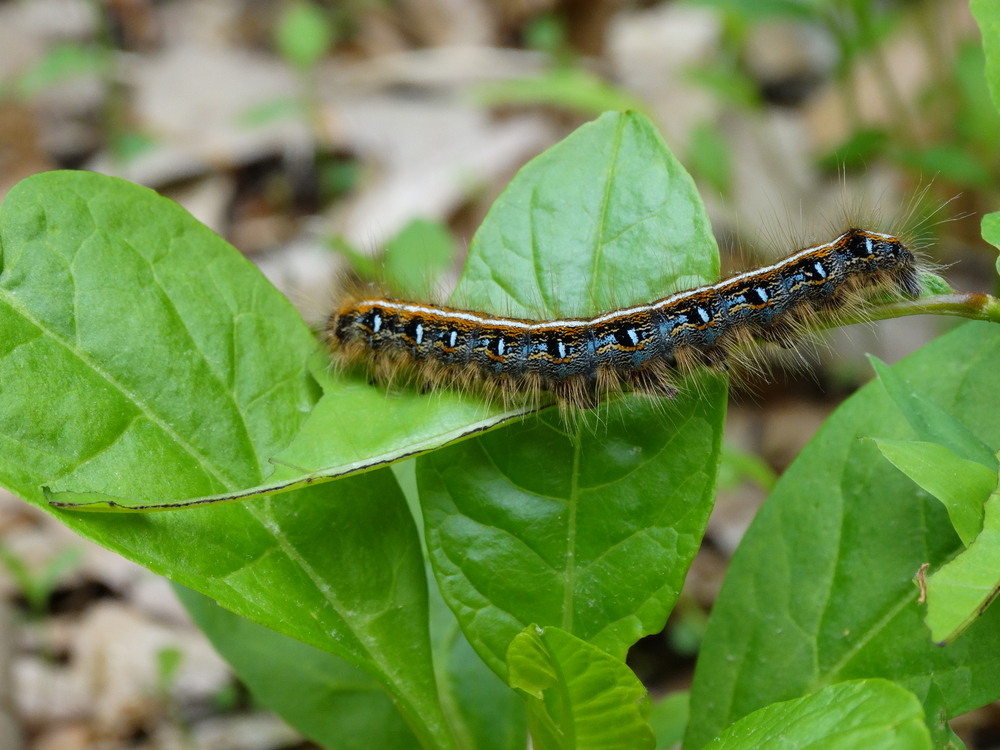
Tent caterpillars are moth larvae that build silk tents in trees. They are known for their messy webs and can be found in many places.
These caterpillars turn into moths after they finish growing. There are several species of tent caterpillars, each with unique features.
Common Types
There are many types of tent caterpillars. Some are common in North America, while others live in different parts of the world.
- Eastern Tent Caterpillar (Malacosoma americanum)
- Western Tent Caterpillar (Malacosoma californicum)
- Forest Tent Caterpillar (Malacosoma disstria)
- Pacific Tent Caterpillar (Malacosoma incurva)
- Yellow-Headed Tent Caterpillar (Malacosoma californicum)
Each species makes tents in different types of trees. They also have different colors and sizes.
Habitat And Distribution
Tent caterpillars live mainly in forests and woodlands. They prefer areas with many trees for building their tents.
These caterpillars are found across North America and parts of Asia. Their habitats change depending on the species.
- Eastern Tent Caterpillars live in the eastern United States and Canada.
- Western Tent Caterpillars are found in the western parts of North America.
- Forest Tent Caterpillars grow in northern forests of the U.S. and Canada.
- Some species live in deciduous forests, while others prefer coniferous trees.
Credit: www.brodybrotherspestcontrol.com
Life Cycle Stages
Tent caterpillars go through several changes in their life cycle. Each stage is important for their growth.
Understanding these stages helps us learn how they develop into adult moths.
Egg Stage
Tent caterpillars begin as eggs laid by adult moths. The eggs are usually found on tree branches.
- Eggs are laid in clusters
- They stay attached to tree bark
- Eggs hatch in early spring
Larval Stage
After hatching, the caterpillars enter the larval stage. They feed on leaves and grow quickly.
- Caterpillars build silk tents in trees
- They live and eat together in these tents
- This stage lasts a few weeks
Pupal Stage
When fully grown, caterpillars form cocoons to enter the pupal stage. Inside, they change into moths.
| Stage | Activity |
| Larva | Eating and growing |
| Pupa | Changing inside cocoon |
| Adult | Flying and reproducing |
Adult Moth Stage
The adult moth emerges from the cocoon. It has wings and can fly to mate and lay eggs.
Adults live only a short time to start the life cycle again.
Cocoon Formation
Tent caterpillars change into moths by forming cocoons. This process protects them during metamorphosis.
The cocoon is a silk covering where the caterpillar transforms inside. It is a crucial stage in their life cycle.
Building The Cocoon
The caterpillar spins silk from its body to build the cocoon. It uses its legs and mouth to shape the silk.
The silk forms a tight and protective shell. This shell keeps the caterpillar safe from predators and weather.
- The caterpillar begins at a safe spot on a branch or leaf.
- It produces silk threads that stick together.
- The caterpillar wraps itself in layers of silk.
- The cocoon becomes a hard shell over time.
Duration Inside The Cocoon
The caterpillar stays inside the cocoon for about two to three weeks. During this time, it changes into a moth.
The length of time inside depends on temperature and environment. Cooler weather can slow the process down.
- Inside the cocoon, the caterpillar turns into a pupa.
- The pupa develops wings and body parts of a moth.
- After the transformation, the moth emerges from the cocoon.

Credit: plantwiseplusknowledgebank.org
Moth Characteristics
Tent caterpillars turn into moths after their larval stage. These moths have unique features that help identify them. Understanding their traits helps in recognizing them in nature.
This article explains the appearance, size, behavior, and activity of moths that come from tent caterpillars.
Appearance And Size
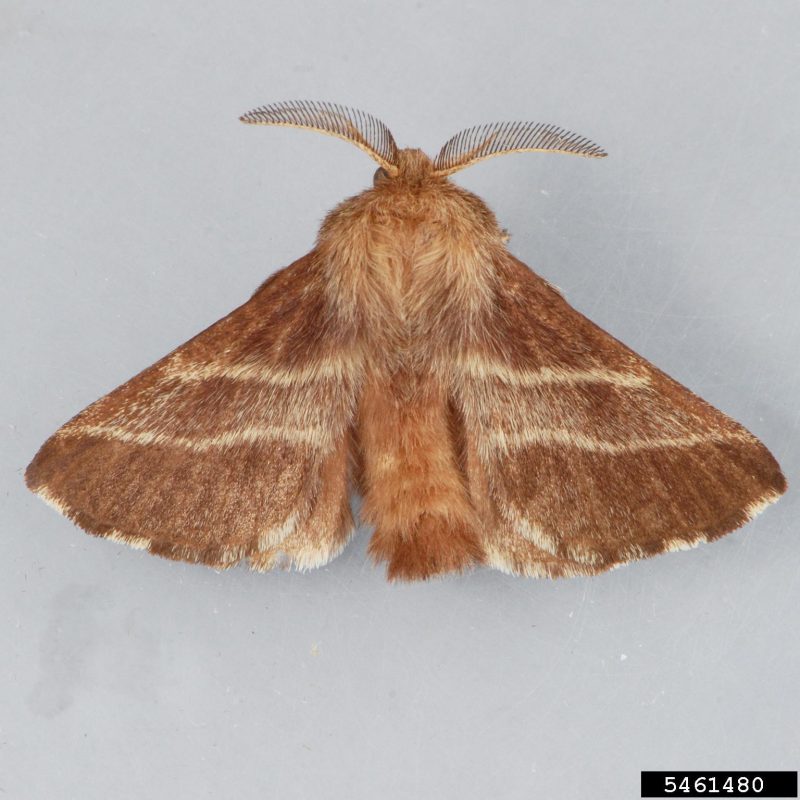
Moths from tent caterpillars usually have brown or tan wings. Their wings show patterns that help them blend with trees. The size of these moths varies but they are generally medium-sized.
- Wingspan ranges from 1 to 2 inches
- Body is stout and furry
- Color varies between light and dark browns
- Wing patterns include spots and stripes
- Antennae are feathery in males and thinner in females
Behavior And Activity
Adult moths from tent caterpillars are mostly active at night. They are attracted to light and rest on tree trunks during the day. Their flight is slow and fluttery.
| Behavior | Description |
| Nocturnal | Active mostly at night |
| Attracted to Light | Often found near outdoor lamps |
| Flight | Slow and fluttery movement |
| Resting | Rest on tree bark or leaves during day |
Ecological Role
Tent caterpillars are common insects in many forests and woodlands. They turn into moths after their caterpillar stage.
These insects play an important role in nature. They affect trees and serve as food for many animals.
Impact On Trees
Tent caterpillars feed on leaves of many trees. This can cause the trees to lose many leaves quickly.
- They mainly eat cherry, apple, and other fruit trees.
- Leaf loss can slow tree growth for that year.
- Strong trees usually recover by growing new leaves.
- Weak or young trees may get damaged more severely.
- Tree damage can affect nearby plants and animals.
Role In The Food Chain
| Animal | How It Uses Tent Caterpillars |
| Birds | Eat caterpillars and moths as food |
| Small Mammals | Feed on the larvae and pupae |
| Predatory Insects | Hunt caterpillars for nutrition |
| Parasitoid Wasps | Lay eggs inside caterpillars, controlling their numbers |
Control And Management
Tent caterpillars can damage trees and plants by eating leaves. Managing them early helps protect your garden and trees.
Understanding how to control tent caterpillars can stop infestations and keep plants healthy. Use natural ways and preventive steps.
Natural Predators
Many animals eat tent caterpillars and help keep their numbers low. Birds, insects, and small mammals are common predators.
- Birds like cuckoos and orioles feed on caterpillars.
- Parasitic wasps lay eggs inside the caterpillars, killing them.
- Predatory beetles and ants consume eggs and larvae.
- Bats may catch adult moths at night.
Preventive Measures
Preventing tent caterpillar problems is easier than dealing with large infestations. Check trees often and remove egg masses early.
| Preventive Action | How It Helps |
| Remove egg masses in late fall or early spring | Stops caterpillars before they hatch |
| Prune and destroy tent webs | Reduces caterpillar shelter and feeding sites |
| Keep trees healthy with water and fertilizer | Helps trees recover from damage |
| Encourage natural predators | Supports balance in the garden |
Frequently Asked Questions
What Do Tent Caterpillars Become?
Tent caterpillars transform into moths. After completing their larval stage, they pupate in cocoons. Within these cocoons, they undergo metamorphosis. Eventually, they emerge as adult moths, ready to reproduce and continue their life cycle.
How Long Is A Tent Caterpillar’s Life Cycle?
A tent caterpillar’s life cycle spans about a year. They hatch in spring, feed, and grow into larvae. They then pupate and become moths. The adult moths lay eggs, which overwinter and hatch in spring.
Are Tent Caterpillars Harmful To Trees?
Tent caterpillars can be harmful to trees. They feed on leaves, sometimes defoliating them. While trees usually recover, severe infestations may weaken them, making them susceptible to diseases or other pests.
How Do You Control Tent Caterpillars?
Controlling tent caterpillars involves removing egg masses and webs. Prune infested branches and use insecticides if necessary. Encourage natural predators like birds to help keep their population in check.
Conclusion
Tent caterpillars change into moths after their larval stage. They build cocoons and rest inside. Soon, adult moths emerge with wings. These moths live a short time to mate and lay eggs. The cycle then begins again in spring. Understanding this helps with garden care and pest control.
Nature’s process shows how insects grow and change. Watching this transformation can be quite fascinating. It reminds us how life moves in cycles.