Have you ever come across the term “tenting with foil” while cooking and wondered what it really means? If you want to keep your food juicy, warm, and perfectly cooked, understanding this simple technique can make a big difference.
You’ll discover exactly what tenting with foil is, why it’s used, and how you can easily apply it to your cooking. By the end, you’ll feel confident using foil like a pro to improve your meals every time. Keep reading—you don’t want to miss these helpful tips!
Purpose Of Foil Tenting
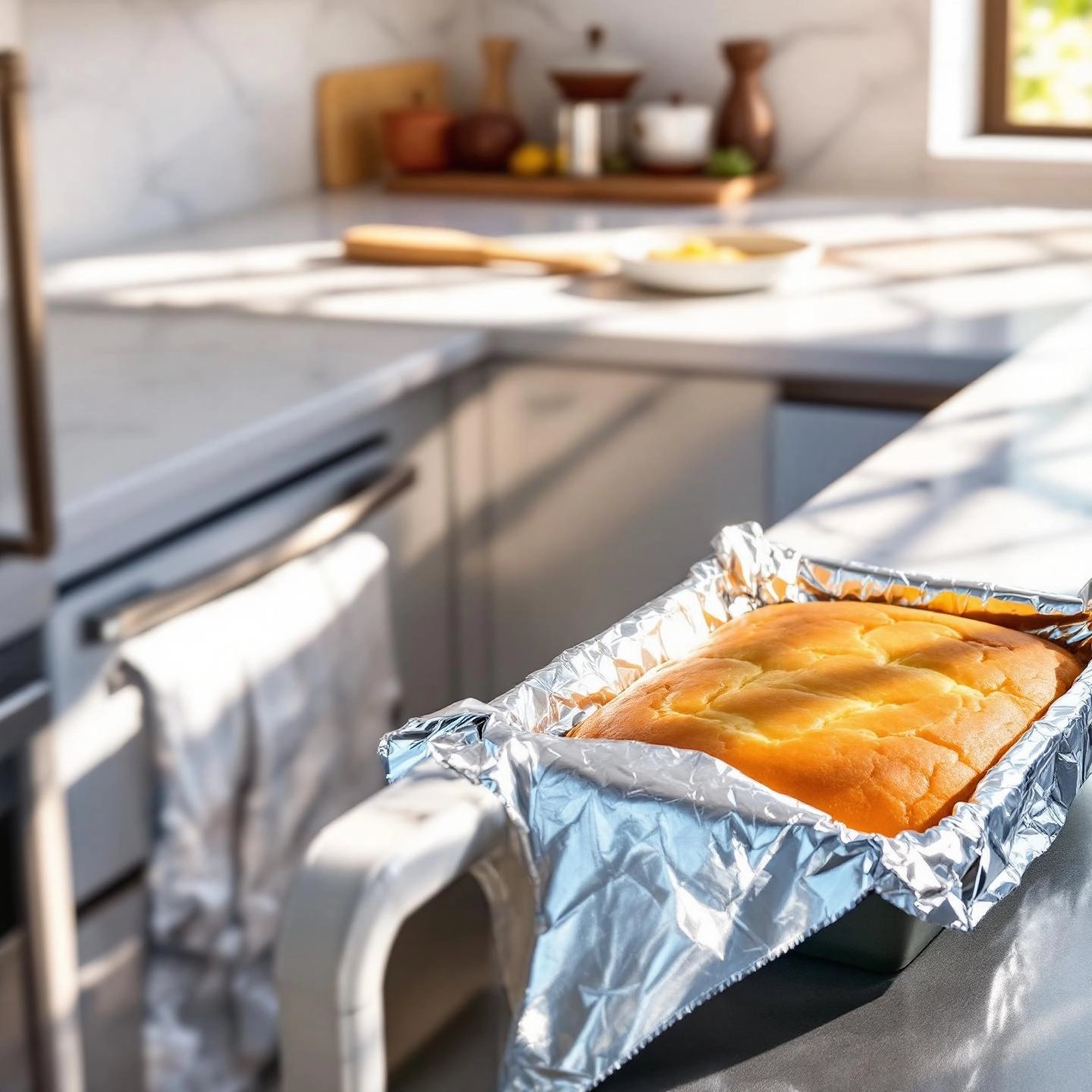
Tenting with foil means covering food loosely with aluminum foil. It helps protect food during cooking or resting.
This technique keeps food moist, controls temperature, and stops over-browning. It is useful for many cooking methods.
Keeping Food Moist
Foil tenting traps steam and moisture around the food. This stops it from drying out while resting or cooking.
- Prevents food from becoming hard or dry
- Helps juices stay inside meat and vegetables
- Makes the food tender and juicy
Controlling Cooking Temperature
Tenting with foil slows down cooking by reflecting heat. It creates a gentler heat around the food.
| Effect | Benefit |
| Reflects heat | Prevents food from cooking too fast |
| Slows temperature rise | Allows even cooking inside |
| Creates slight insulation | Reduces risk of burning edges |
Preventing Over-browning
Foil tenting shields food from direct heat. It stops the surface from getting too dark too quickly.
- Protects crust or skin from burning
- Keeps food color even and appealing
- Allows inside to cook fully without burning outside

Credit: www.shengxinaluminium.com
How To Tent With Foil
Tenting with foil helps food cook evenly and stay moist. It creates a shield that protects food from direct heat.
Using foil tents is easy if you follow a few simple steps. This guide explains how to choose, shape, and position the foil.
Choosing The Right Foil
Select foil that is heavy-duty for better strength. Thin foil can tear and lose its shape during cooking.
- Use heavy-duty aluminum foil for durability
- Choose standard foil for light tasks like covering bowls
- Avoid using foil with holes or tears
- Pick wide foil sheets to cover larger food
Shaping The Foil Tent
Make a tent shape by folding the foil carefully. This lets heat circulate while protecting the food.
| Step | Action |
|---|---|
| 1 | Cut a sheet of foil large enough to cover food with room to spare |
| 2 | Fold the foil in half lengthwise to make it stronger |
| 3 | Place the foil over food, creating a dome shape |
| 4 | Pinch edges lightly to hold shape but do not seal tightly |
Positioning Over Food
Place the foil tent so it does not touch the food. This prevents sticking and helps even cooking.
- Make sure the tent covers the entire dish
- Leave some space between foil and food surface
- Seal edges loosely to trap steam but allow air flow
- Check during cooking to adjust tent if needed
Foods That Benefit From Foil Tenting
Tenting with foil is a cooking technique that involves covering food loosely with aluminum foil. This method helps trap heat and moisture, making your dishes tender and flavorful.
Foil tenting is especially beneficial for certain types of foods. Let’s explore some of the best candidates for this technique.
Roasted Meats
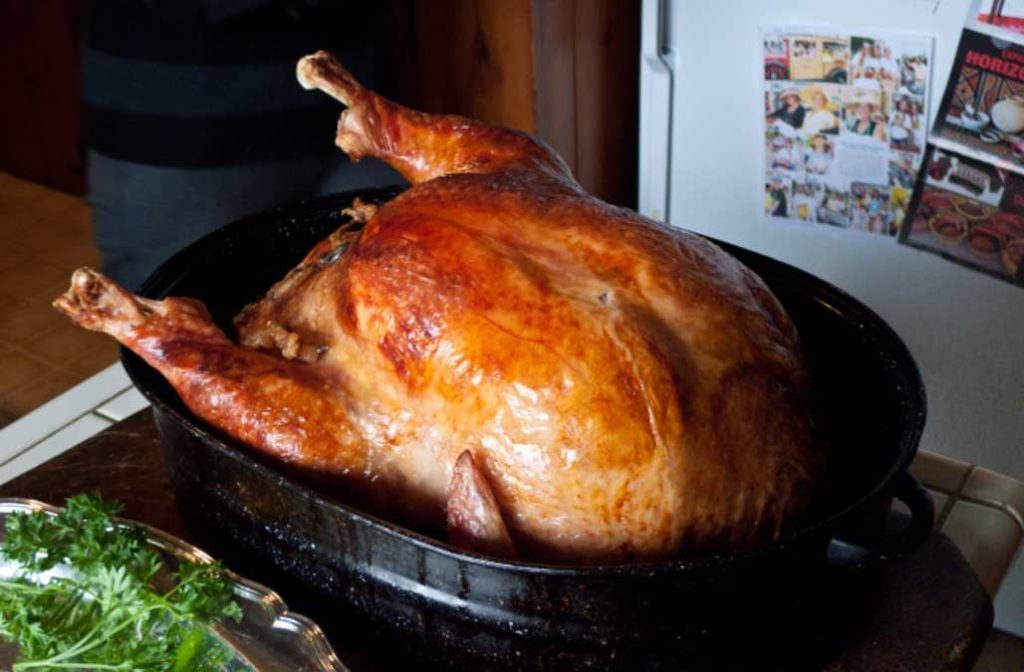
Roasted meats are perfect for foil tenting. This technique allows the meat to cook evenly and retain its juices, resulting in a tender, succulent dish.
- Beef roast
- Chicken breast
- Pork tenderloin
- Turkey
Baked Vegetables
Foil tenting works wonders for baked vegetables. It ensures they cook through without drying out or burning.
| Vegetable | Benefit of Foil Tenting |
| Carrots | Keeps them tender |
| Potatoes | Prevents dryness |
| Asparagus | Maintains moisture |
Casseroles And Bakes
Casseroles and bakes often require a delicate balance of moisture. Tenting with foil helps achieve this balance by preventing the top from over-browning while allowing the inside to cook perfectly.
Try foil tenting with your favorite lasagna or macaroni and cheese for a perfectly cooked dish every time.

Credit: www.reddit.com
Common Mistakes To Avoid
Tenting with foil helps cook food evenly and keeps it moist. Many people make mistakes that reduce these benefits.
Avoid these errors to get the best results from foil tenting.
Wrapping Too Tightly
Wrapping foil too tightly stops steam from escaping. This can make food soggy or cause it to cook unevenly.
Leave some space between the foil and the food. This lets heat and steam flow freely.
Using Foil Too Early
Covering food with foil too early can slow cooking. It traps heat and moisture before the food is ready.
Wait until the food is mostly cooked before adding foil. This helps keep the right texture and color.
Ignoring Food Safety
Foil can cause food safety issues if used wrong. Always use clean foil and avoid contact with acidic foods for long times.
Make sure food reaches safe temperatures. Check with a food thermometer to avoid illness.
Alternatives To Foil Tenting
Tenting with foil keeps food moist while cooking. Sometimes, you may want to try other options. These alternatives can protect your food and help it cook evenly.
Below are some common alternatives to foil tenting. Each one offers unique benefits for your cooking needs.
Using Parchment Paper
Parchment paper is a good choice for tenting food. It is heat resistant and prevents sticking. It also lets steam escape, so food does not get soggy.
- Cut parchment paper larger than the food.
- Place it loosely over the dish.
- Tuck edges gently to hold in place.
- Use it for baking or roasting.
Lid Or Baking Dish Covers
Using a lid or a baking dish cover works well to trap heat and moisture. This method avoids using disposable materials. Lids come in many sizes and fit most pots and pans.
| Cover Type | Material | Benefits |
| Glass Lid | Tempered Glass | See food while cooking |
| Metal Lid | Stainless Steel | Durable and long-lasting |
| Baking Dish Cover | Ceramic or Glass | Fits specific dishes snugly |
Reusable Silicone Covers
Silicone covers are flexible and reusable. They can stretch to fit different shapes and sizes. These covers keep food moist and reduce waste.
- Safe for oven and microwave use
- Easy to clean and store
- Form tight seals over bowls or dishes
- Help keep leftovers fresh
Credit: www.shengxinaluminium.com
Frequently Asked Questions
What Does Tenting With Foil Mean In Cooking?
Tenting with foil means loosely covering food with aluminum foil. It traps heat and moisture, preventing over-browning while cooking or resting.
Why Do Chefs Tent Meat With Foil After Cooking?
Chefs tent meat to keep it warm and let juices redistribute. This makes the meat tender and juicy before serving.
How Does Foil Tenting Affect Food Texture?
Foil tenting prevents the surface from drying out. It maintains moisture, ensuring the food stays soft and flavorful.
Can Tenting With Foil Help In Resting Meat?
Yes, tenting with foil during resting keeps meat warm and juicy. It prevents moisture loss and improves overall taste.
Conclusion
Tenting with foil helps keep food moist and cooks it evenly. It stops the outside from burning while the inside cooks well. This simple step makes a big difference in meals. Anyone can use foil tenting to improve their cooking results.
Try it next time you roast or bake something. You will notice better texture and taste. Tenting is an easy trick that anyone can do at home. Give it a shot and see how it works for you.