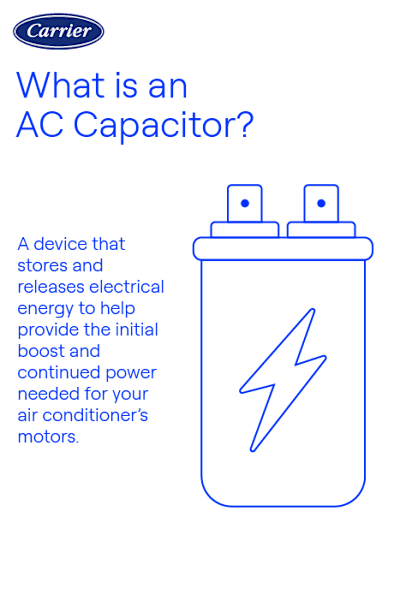
Have you ever wondered why your air conditioner sometimes struggles to start or cool your home effectively? The answer might lie in a small but powerful part called the capacitor.
This little component plays a huge role in keeping your AC running smoothly and efficiently. Understanding what the air conditioner capacitor does can save you from unexpected breakdowns and costly repairs. Keep reading to discover how this tiny device works and why it’s so important for your comfort.
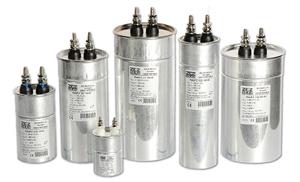
Credit: www.apogeeweb.net
Role Of The Capacitor
The capacitorhelps the air conditioner motor start by giving a strong push. It creates a phase difference in the motor windings. This makes the motor spin quickly and easily.
Once the motor starts, the capacitor keeps the motor running at a steady speed. It balances the electric current to avoid slowing down or stopping. This helps the air conditioner work smoothly.
The capacitor also stores electrical energy. It releases this energy when the motor needs it most. This storage and release help save power and protect the motor from damage.
Types Of Capacitors In Ac Units
Start capacitorshelp the motor to begin turning. They give a boost of power at the start. Once the motor runs, these capacitors stop working. They are usually bigger and have a short life.
Run capacitorskeep the motor running smoothly. They stay active as long as the AC is on. They help save energy and make the motor last longer.
Dual capacitorscombine both start and run capacitors in one unit. They save space and are easy to install. These capacitors serve two jobs with a single part.
Signs Of A Faulty Capacitor
Unusual noisesfrom your AC might mean the capacitor is failing. Buzzing, humming, or clicking sounds are common signs. These noises happen because the capacitor can’t start the motor properly.
AC not startingat all is a clear sign of a bad capacitor. The capacitor helps the compressor and fan motor start. Without it, the AC may not turn on or stay running.
Reduced cooling efficiencyhappens when the capacitor weakens. The motor runs slower or stops often. This makes the AC less effective at cooling your home.
How Capacitors Affect Ac Performance
Capacitorshelp the air conditioner’s motor start and run smoothly. They store and release energy quickly, which keeps the motor working efficiently. A good capacitor means the AC uses less electricity, saving money on bills.
Without a strong capacitor, the motor works harder. This causes it to wear out faster and may lead to breakdowns. A healthy capacitor helps the motor last longer by reducing stress on its parts.
Capacitors also improve the system’s reliability. They prevent sudden stops and keep the AC running steadily. This reduces the chance of repairs and keeps the air conditioner working well for a long time.
Replacing And Maintaining Capacitors
Safetyis very important when handling air conditioner capacitors. Always turn off powerbefore touching parts. Use insulated tools to avoid shocks. Wear gloves and safety glasses for protection.
Capacitors may need replacement if the AC won’t startor runs slowly. Look for signs like bulging, leaking, or a burning smell. These are clear signals of a bad capacitor.
Routine checks help keep the AC running well. Test capacitors with a multimeterevery few months. Clean dirt and dust around the unit. Tighten loose wires and connections to avoid failures.

Credit: www.amazon.com

Credit: www.amazon.com
Frequently Asked Questions
What Is The Role Of An Ac Capacitor?
An AC capacitor stores electrical energy to power the air conditioner’s motor. It helps start and run the compressor, fan motor, and blower. Without it, your AC won’t function efficiently or might not start at all. It’s crucial for maintaining consistent airflow and temperature control.
How Does A Capacitor Affect Ac Performance?
A capacitor directly influences your AC’s efficiency and performance. It provides the necessary jolt to start the motor and keeps it running smoothly. A faulty capacitor can lead to poor cooling, increased energy bills, or even complete system failure. Regular maintenance ensures optimal performance.
Why Do Ac Capacitors Fail?
AC capacitors can fail due to age, overheating, or electrical surges. Over time, the internal components wear out. High temperatures and power fluctuations can also damage the capacitor. Regular inspections and timely replacements are essential to prevent unexpected breakdowns and ensure your AC runs smoothly.
How Can I Identify A Faulty Capacitor?
Signs of a faulty capacitor include your AC not starting, humming noises, or inconsistent cooling. You might also notice increased energy consumption. If your AC struggles to start or frequently shuts off, it could be a capacitor issue. Professional diagnosis and replacement are recommended.
Conclusion
The air conditioner capacitor helps the unit start and run smoothly. It stores and releases energy to power the motor. Without it, the AC may not work properly or at all. Keeping the capacitor in good shape saves money on repairs.
Regular checks can spot problems early and keep your home cool. Understanding this small part helps you care for your air conditioner better. Simple steps can prevent big issues later. A working capacitor means a cooler, more comfortable home.