Have you ever wondered what makes your air conditioner feel so refreshing on a hot day? The secret lies in a simple but powerful part: the air conditioner fan.
This little component plays a huge role in keeping your home cool and comfortable. Understanding what the air conditioner fan does can help you make better decisions about your cooling system and even save on energy bills. Keep reading to discover how this fan works and why it’s so important for your comfort.

Credit: sntoom.net
Role Of The Air Conditioner Fan
The air conditioner fan plays an important role in cooling your room. It helps move air through the system. This keeps the room comfortable and cool.
The fan works with other parts of the air conditioner. It helps the system do its job well. Understanding the fan’s role shows how air conditioners work.
Circulating Air Inside The Room
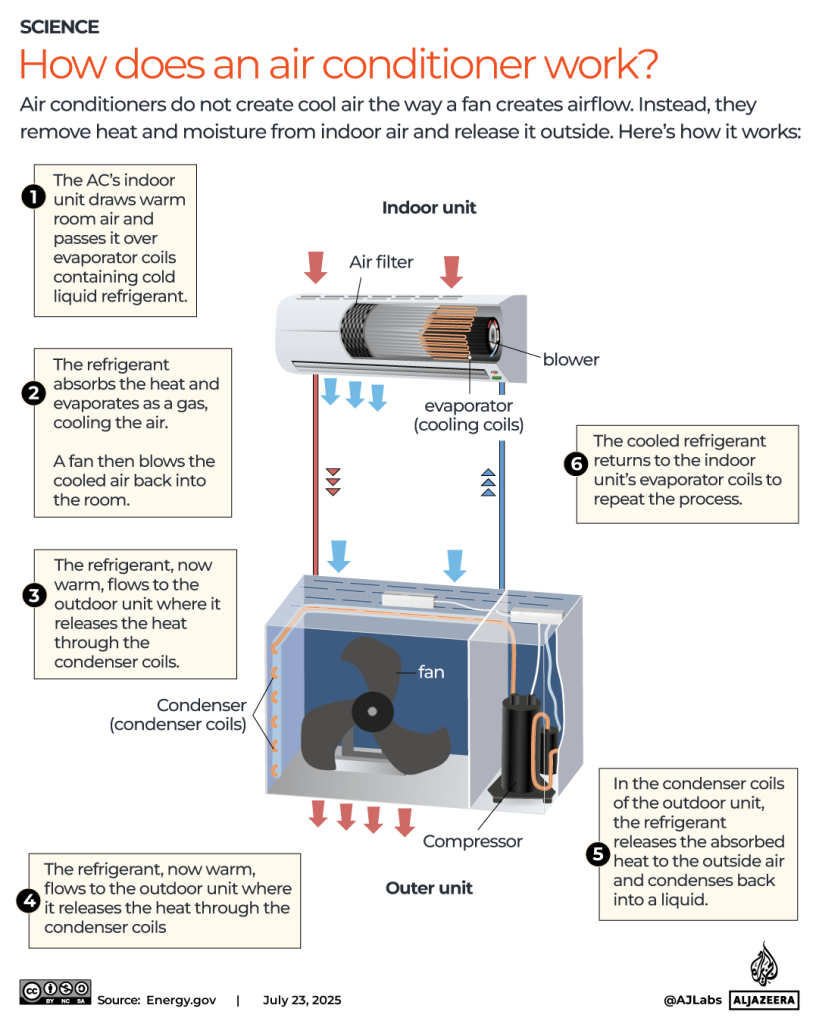
The fan moves air inside the room. It pulls warm air from the room into the air conditioner. Then, it blows cool air back into the room. This keeps the air moving and fresh.
Without the fan, the air would not flow well. The room would feel stuffy and unevenly cooled. The fan helps spread cool air to every corner of the space.
- Draws warm air from the room
- Pushes cooled air back inside
- Keeps air moving for even cooling
Supporting Heat Exchange Process
The fan helps the heat exchange inside the air conditioner. It moves air over the coils where heat is removed. This helps the air conditioner cool the air effectively.
By moving air, the fan makes sure heat leaves the room. It also helps the system work faster and use less energy. The fan is key to the cooling process.
- Moves air over cooling coils
- Helps remove heat from the room
- Increases air conditioner efficiency
Credit: www.ars.com
Types Of Air Conditioner Fans
Air conditioners use different fans to move air and cool your space. Fans help the system work well and keep the temperature comfortable.
Two main types of fans are inside an air conditioner. Each fan has a special job that helps the system cool your home.
Evaporator Fan
The evaporator fan is inside the air handler or furnace. It pulls warm air from the room into the system.
This fan blows the warm air over cold evaporator coils. The air cools down and goes back into the room.
- Moves indoor air through the system
- Helps remove heat from your home
- Works quietly inside your house
Condenser Fan
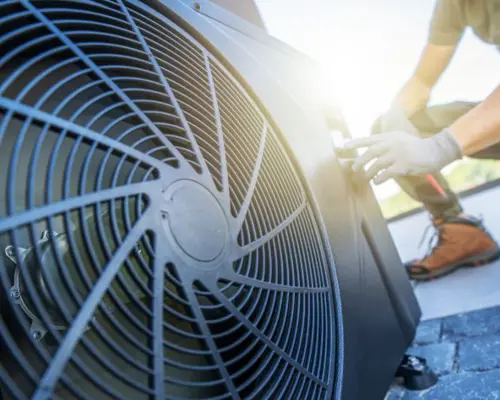
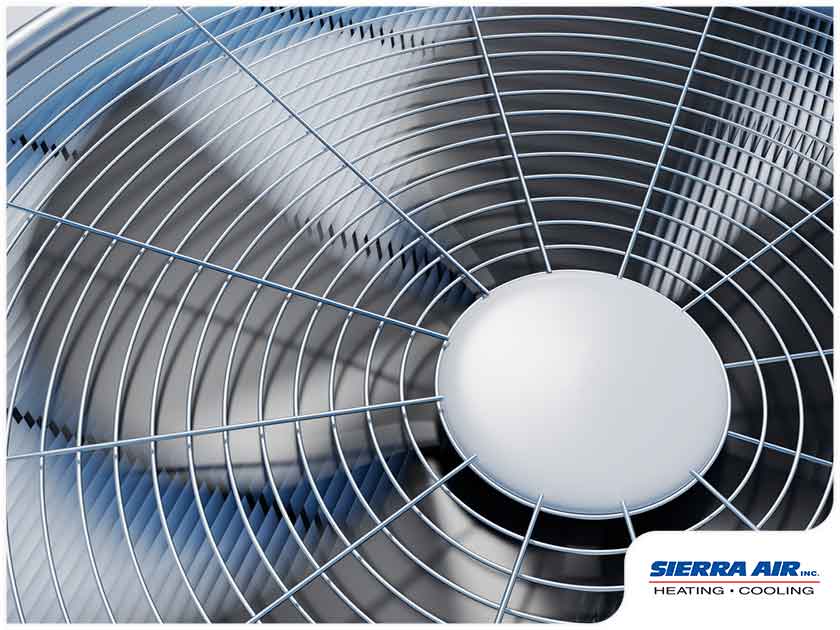
The condenser fan is outside the house in the condenser unit. It pulls air through the condenser coils.
This fan helps release heat from the refrigerant to the outside air. It keeps the system cool and running well.
- Draws air over the condenser coils
- Removes heat from refrigerant
- Keeps the outdoor unit from overheating
How The Fan Enhances Cooling Efficiency
The air conditioner fan plays a key role in making your home cool. It moves air through the system and into your rooms. This helps the AC cool the space faster and better.
By improving air movement, the fan helps the AC use less energy and work more smoothly. This saves money and keeps you comfortable.
Improving Airflow And Distribution
The fan pushes cool air from the AC into every corner of the room. It spreads the air evenly so no spots feel hot or stuffy. This keeps the whole room at a steady temperature.
Good airflow also helps remove warm air and humidity. This makes the room feel cooler and fresher. The fan keeps air moving constantly to avoid hot pockets.
- Circulates cool air to all parts of the room
- Prevents hot and cold spots
- Helps remove warm, moist air
- Keeps air feeling fresh and comfortable
Reducing Energy Consumption
The fan helps the AC cool your home faster. This means the AC does not need to run as long. Shorter run times use less electricity and lower your energy bills.
When the fan moves air well, the AC can keep a steady temperature without working too hard. This reduces wear on the system and saves power.
- Speeds up cooling to save energy
- Allows the AC to run less often
- Reduces electricity use and costs
- Protects the AC system from strain
Common Fan Issues And Their Impact
The air conditioner fan plays a key role in cooling your home. It moves air across the coils to help cool the air. When the fan has problems, the AC does not work well.
This article explains common fan problems and how they affect your air conditioner’s performance. Knowing these issues helps you spot trouble early.
Noisy Fan Problems
A noisy fan can be annoying and shows there is a problem. Noise can come from loose parts, dirt buildup, or worn-out bearings. If the fan sounds loud, it may fail soon.
- Loose fan blades can cause rattling sounds.
- Dirt and dust on the fan make it unbalanced and noisy.
- Worn bearings cause grinding or squealing noises.
- Obstructions like sticks or leaves may hit the fan blades.
Fan Not Spinning Properly
If the fan does not spin at the right speed or stops, cooling stops too. This can happen due to electrical issues or motor failure. The fan may also get stuck by dirt or debris.
| Issue | Cause | Effect |
| Fan Stalls | Dirt buildup or motor failure | No airflow, poor cooling |
| Slow Fan Speed | Electrical problems or worn motor | Reduced cooling efficiency |
| Fan Does Not Start | Blown fuse or capacitor issues | AC stops working |
Effects On Cooling Performance
When the fan has problems, the air conditioner cannot cool your space well. The unit may run longer but still leave rooms warm. This wastes energy and can raise electricity bills.
Signs of poor cooling due to fan issues include:
- Warm air coming from vents
- Increased humidity indoors
- Longer run times for the AC unit
- Higher energy bills
- Frequent cycling on and off
Maintenance Tips For Air Conditioner Fans
Air conditioner fans help move cool air through your home. Keeping the fan in good shape improves its work.
Regular care stops problems and makes the fan last longer. Here are some easy ways to keep your fan working well.
Cleaning The Fan Blades
Dust and dirt can build up on fan blades. This lowers the fan’s efficiency and makes noise.
Use a soft cloth or brush to clean the blades carefully. Turn off the air conditioner before cleaning.
- Remove dust with a dry cloth
- Use mild soap and water for sticky dirt
- Dry blades well before turning the fan on
Checking For Obstructions
Obstructions stop the fan from spinning freely. Check for leaves, debris, or objects near the fan.
Clear away anything that blocks the fan’s path. This helps the fan run smoothly and avoid damage.
- Look inside the fan housing
- Remove sticks, dirt, or trash
- Make sure nothing touches the blades
Lubricating Moving Parts
Lubrication reduces friction in the fan’s motor and parts. This helps the fan spin quietly and easily.
Use light machine oil on bearings or shafts if needed. Avoid over-oiling to keep the area clean.
- Check the owner’s manual for oil type
- Apply a few drops to moving parts
- Wipe off any extra oil to prevent dirt
Upgrading Or Replacing The Fan
The fan inside an air conditioner moves air across the cooling coils. This helps cool your home. Over time, the fan can wear out or become less efficient.
Upgrading or replacing the fan can improve your AC’s performance. It can also save energy and reduce noise.
When To Replace The Fan
You should consider replacing the fan if it shows signs of damage or stops working well. Here are some common reasons to replace the fan:
- The fan blades are cracked or broken.
- The fan motor makes loud or unusual noises.
- The fan does not spin smoothly or stops often.
- Your AC is not cooling as well as before.
- The fan draws too much electricity.
Choosing The Right Fan For Your Ac
Choosing the right fan is important for good cooling and energy use. Fans come in different types and sizes. Pick one that fits your AC model.
| Fan Type | Description | Best Use |
| Axial Fan | Moves air straight through, simple design. | Standard home air conditioners. |
| Blower Fan | Pushes air through ducts, higher pressure. | Central AC systems with ducts. |
| ECM Fan | Energy-efficient motor, variable speed. | Modern units with energy saving needs. |
Credit: sierraair.com
Frequently Asked Questions
What Is The Role Of An Ac Fan?
The AC fan circulates air across the evaporator coil, cooling your space. It ensures even distribution of cool air throughout the room. This process aids in maintaining a consistent temperature. Moreover, the fan helps in reducing humidity levels, enhancing comfort.
How Does The Fan Affect Ac Efficiency?
The fan boosts AC efficiency by enhancing air circulation. It ensures optimal operation of the evaporator coil. Efficient airflow reduces energy consumption and maintains consistent cooling. This leads to improved overall performance of the air conditioning unit.
Can The Ac Fan Operate Without Cooling?
Yes, the AC fan can run without cooling. This setting is known as “fan-only” mode. It circulates indoor air without altering its temperature. This is useful for ventilation or during mild weather conditions.
Does Fan Speed Impact Cooling Performance?
Yes, fan speed affects cooling performance. Higher speeds distribute cool air faster, enhancing comfort. Lower speeds provide gentle airflow, conserving energy. Adjusting speed allows you to balance between quick cooling and energy efficiency.
Conclusion
The air conditioner fan moves air to keep your space cool. It helps remove heat from inside your home. This fan works with other parts to make cooling effective. Without the fan, air cannot flow properly. It also helps improve air quality by circulating fresh air.
Regular maintenance keeps the fan working well. Understanding the fan’s role helps you use your AC better. Small parts, big impact. A simple fan makes your room comfortable.