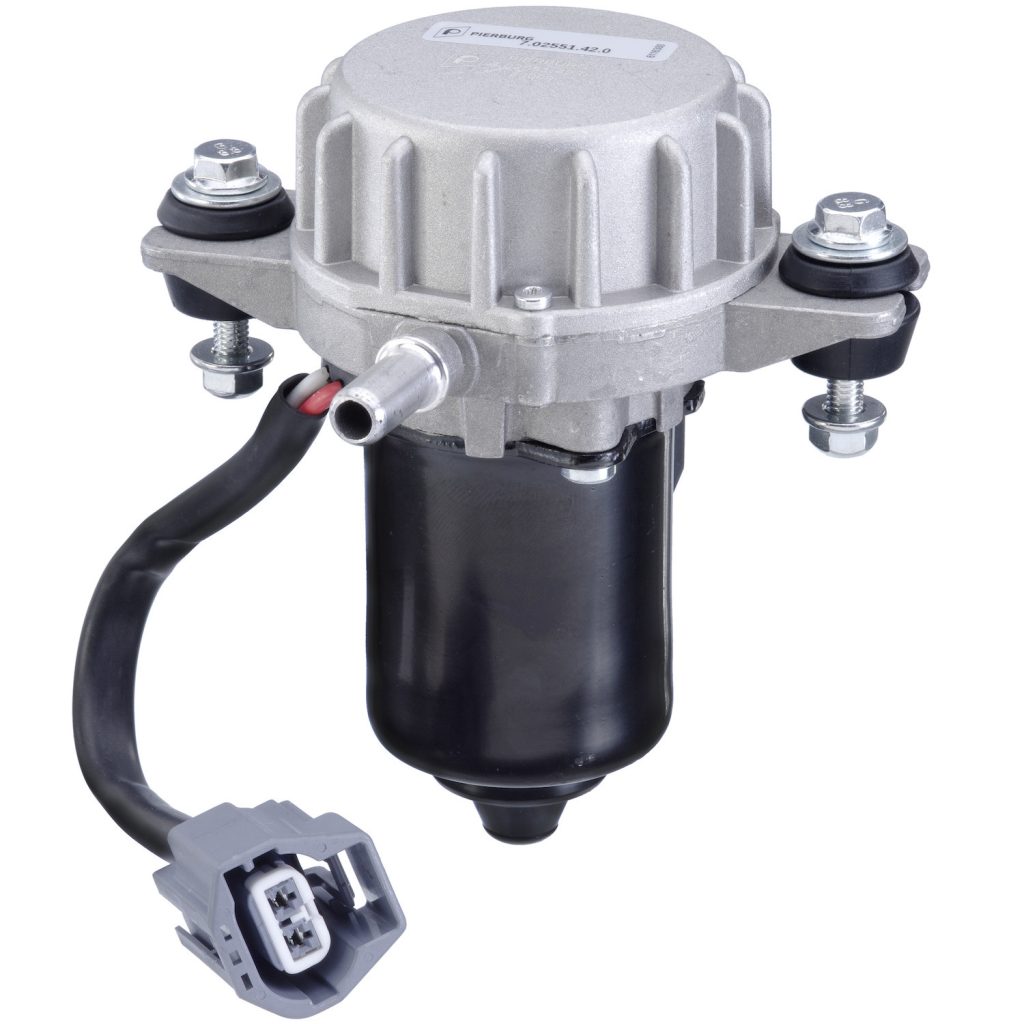
Have you ever wondered why your car’s brakes feel so smooth and responsive? The secret often lies in a small but powerful part called the brake vacuum pump.
If you’re curious about how this component helps keep your braking system working safely and efficiently, you’re in the right place. Understanding what the brake vacuum pump does can save you time, money, and even prevent dangerous situations on the road.
Keep reading to discover how this tiny device plays a big role in your car’s safety every time you hit the brakes.
Role Of The Brake Vacuum Pump
The brake vacuum pump plays a vital role in your vehicle’s braking system. It creates the vacuum needed to power the brake booster, which in turn helps you apply the brakes with less effort. Without this pump, your braking experience would be harder and less responsive, especially in vehicles where the engine doesn’t produce enough vacuum on its own.
How It Supports Brake Performance
The vacuum pump ensures consistent brake performance by supplying a steady vacuum pressure. This vacuum pressure amplifies the force you apply on the brake pedal, making it easier to slow down or stop your vehicle.
Think about moments when you’ve had to brake suddenly. The vacuum pump’s support means you don’t have to slam the pedal to get the car to stop quickly. This adds a layer of safety and control you might not even realize you rely on every day.
Without a properly functioning vacuum pump, you might notice the brake pedal feeling stiff or requiring much more force. This can lead to dangerous situations, especially in emergencies.
Connection With Brake Booster
The brake vacuum pump works hand in hand with the brake booster. The pump generates the vacuum that the booster uses to multiply the force from your foot on the brake pedal.
The brake booster is like a helper that reduces the effort needed to brake. But it can only do its job if the vacuum pump delivers enough vacuum consistently.
If you’ve ever experienced a sudden increase in brake pedal resistance, it might be due to a failing vacuum pump or a leak in the system. This connection is crucial for smooth and safe braking.
- Vacuum pump creates vacuum pressure
- Brake booster uses vacuum to assist braking force
- Proper function ensures safe, responsive brakes

Credit: www.amazon.com
Types Of Brake Vacuum Pumps
Brake vacuum pumps are essential for creating the vacuum needed to assist your vehicle’s braking system. Different types of pumps serve this purpose, each with unique designs and functions. Understanding these types helps you identify which one suits your vehicle best and how it affects braking performance.
Mechanical Pumps
Mechanical brake vacuum pumps are driven directly by the engine, usually through a belt or camshaft. They generate vacuum as the engine runs, making them reliable and simple in design.
Because they rely on engine speed, mechanical pumps provide more vacuum as you accelerate. However, at idle or low RPMs, their efficiency drops, which could affect brake assist in certain situations.
Many older vehicles use mechanical pumps because they are straightforward and cost-effective. If your car feels less responsive at idle, it might be worth checking the mechanical pump’s condition.
Electric Pumps
Electric brake vacuum pumps operate independently of the engine, powered by the vehicle’s electrical system. This allows them to maintain a consistent vacuum level regardless of engine speed.
Electric pumps are common in modern cars, especially hybrids and electric vehicles where the engine may not always run. They ensure reliable brake assistance even when the engine is off.
One thing to consider is that electric pumps consume battery power, so if you notice issues with your brakes, checking the pump’s electrical connections can be a good starting point.
Common Symptoms Of Pump Failure
Recognizing the common symptoms of brake vacuum pump failure can save you from costly repairs and dangerous driving conditions. The pump plays a crucial role in assisting your braking system, so any malfunction will directly affect how your vehicle responds. Paying attention to warning signs early on helps you address issues before they escalate.
Increased Brake Pedal Effort
If you notice that your brake pedal feels harder to press than usual, your brake vacuum pump might be failing. This pump creates the vacuum needed to reduce the effort required to apply the brakes.
Without proper vacuum assistance, you’ll have to push the pedal much harder to slow down or stop your vehicle. Have you ever driven a car where the brakes felt unusually stiff? That’s often the vacuum pump not doing its job right.
Ignoring this symptom can lead to longer stopping distances and increase the risk of accidents. If your brake pedal requires more force than normal, it’s time to have the vacuum pump checked.
Engine Performance Issues
The brake vacuum pump is connected to the engine’s vacuum system. When the pump starts to fail, it can cause engine vacuum leaks, leading to rough idling or stalling.
You might experience engine hesitation during acceleration or notice a drop in fuel efficiency. These subtle signs can be confusing, but they often point back to the vacuum pump’s condition.
Have you ever felt your car stumble or hesitate unexpectedly? If so, the brake vacuum pump may be affecting your engine’s performance. Getting it inspected can restore smooth driving and prevent further engine problems.
Maintenance And Replacement
Maintaining your brake vacuum pump is essential to keep your vehicle’s braking system reliable and safe. Ignoring its condition can lead to decreased brake performance and increased stopping distances. Knowing when to service or replace this component can save you from unexpected failures on the road.
Signs It Needs Service
Watch for a hard brake pedal or increased effort when braking. These symptoms often point to a failing brake vacuum pump. You might also notice unusual noises like hissing or rattling coming from under the hood.
Brake warning lights can be another clear indicator. If your vehicle’s engine is running rough or stalling, it might relate to vacuum pump issues. Catching these signs early prevents further damage and keeps your braking system effective.
Choosing The Right Replacement
Selecting the correct replacement pump requires attention to your vehicle’s make and model. Using a part that doesn’t match can cause poor performance or even damage other brake components.
Look for quality brands that offer warranties and meet OEM specifications. Sometimes, choosing a pump with improved durability can be a smart investment. Have you checked if your local auto parts store stocks the right pump, or should you order online for more options?
Impact On Vehicle Safety
The brake vacuum pump plays a vital role in vehicle safety. It helps create the necessary vacuum for the brake booster. This vacuum makes braking easier and more effective. Without a properly working vacuum pump, braking can become hard and less responsive. A vehicle’s ability to stop quickly depends heavily on this component. Understanding its impact on safety helps drivers appreciate its importance.
Brake Efficiency And Control
The vacuum pump ensures the brake booster has enough vacuum. This vacuum boosts the force applied to the brake pedal. Drivers need less effort to slow or stop the vehicle. This improves brake efficiency and control. It prevents brake fade during long or steep drives. Consistent vacuum pressure means predictable and smooth braking. This reduces the risk of accidents caused by poor brake response.
Legal And Safety Considerations
Many safety regulations require vehicles to maintain effective braking systems. A malfunctioning vacuum pump can cause the brakes to fail safety tests. This can lead to fines or vehicle restrictions. Regular maintenance of the vacuum pump ensures compliance with legal standards. It also protects passengers and other road users. Safe brakes mean safer roads for everyone.
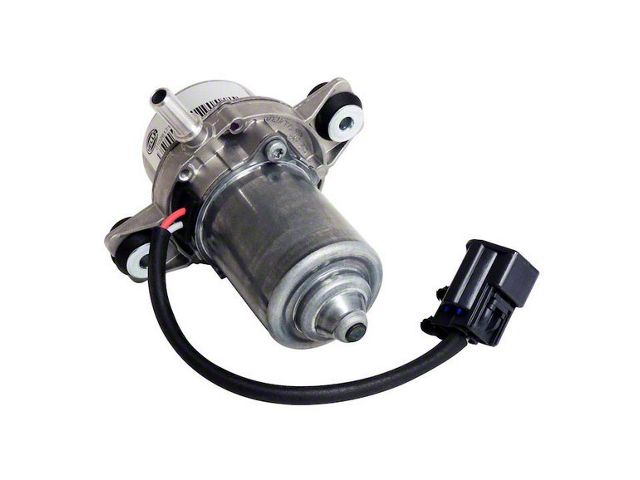
Credit: www.americanmuscle.com

Credit: eeuroparts.com
Frequently Asked Questions
What Is The Primary Function Of A Brake Vacuum Pump?
A brake vacuum pump creates the vacuum needed for power brake boosters. It helps reduce pedal effort. Without it, braking performance drops. It ensures safer, more responsive braking in vehicles with engines lacking sufficient vacuum.
How Does A Brake Vacuum Pump Improve Braking?
The pump generates vacuum pressure for the brake booster. This vacuum amplifies the force applied to brakes. It reduces driver effort and improves brake responsiveness. This leads to smoother, more effective braking and enhanced safety on the road.
When Does A Brake Vacuum Pump Fail?
A vacuum pump can fail due to wear, leaks, or damage. Symptoms include hard brake pedals and reduced braking power. Failure often results from age or poor maintenance. Regular checks can prevent sudden brake vacuum pump issues.
Can A Car Run Without A Brake Vacuum Pump?
Cars with traditional engines may run without it, but braking is harder. Modern vehicles often rely on it for power brakes. Without the pump, braking requires more effort, risking safety. It’s essential for vehicles using vacuum-assisted brake systems.
Conclusion
Understanding the brake vacuum pump is crucial for car safety. It helps generate the necessary force to stop your vehicle. This component ensures that your brakes respond quickly. Regular maintenance of this pump is vital. A well-functioning brake vacuum pump means safer driving.
Neglecting it can lead to brake failure. Always check for unusual noises or performance issues. Replace it if necessary to avoid accidents. Keeping the brake system in top shape protects everyone on the road. Your car and passengers depend on it.
Drive safely and maintain your brake vacuum pump regularly.