When you look at air conditioners, you might notice the term “BTU” popping up. But what does BTU really mean for you and your home?
Understanding this simple measurement can make a big difference in choosing the right air conditioner that keeps your space cool without wasting energy or money. If you want to avoid common mistakes and pick the perfect unit for your needs, keep reading.
By the end, you’ll know exactly what BTU means and how it affects your comfort and costs.
Btu Basics
BTU is an important term for air conditioners. It helps you understand how well a unit cools a room.
Knowing about BTU can help you pick the right air conditioner for your space.
What Btu Stands For
BTU means British Thermal Unit. It is a way to measure heat energy.
One BTU is the amount of heat needed to raise one pound of water by one degree Fahrenheit.
How Btu Measures Cooling Power
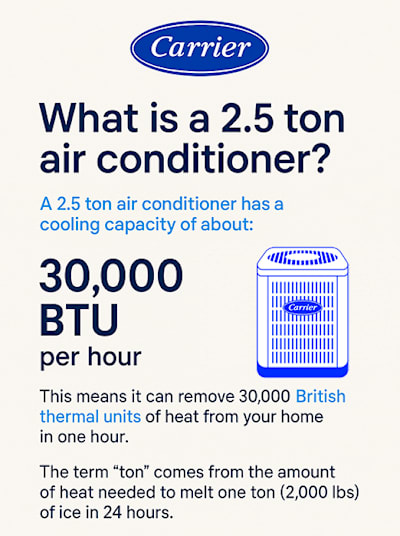
Air conditioners use BTU to show how much heat they can remove from a room each hour.
- A higher BTU means the air conditioner can cool larger spaces.
- A lower BTU is good for small rooms.
- Choosing the right BTU saves energy and keeps your room comfortable.
| Room Size (sq ft) | Recommended BTU |
| 100-300 | 5,000 – 6,000 |
| 300-500 | 7,000 – 8,000 |
| 500-1,000 | 10,000 – 12,000 |
| 1,000-1,500 | 14,000 – 18,000 |

Credit: newway.sg
Btu And Air Conditioner Size
BTU stands for British Thermal Unit. It measures the cooling power of an air conditioner. The right BTU size helps cool your room efficiently.
Choosing the correct BTU depends on your room size. Too small or too large BTU units can cause problems.
Matching Btu To Room Size
Each room size needs a specific BTU range for proper cooling. Using the wrong size wastes energy or cools poorly.
| Room Size (sq ft) | Recommended BTU |
| 100 to 150 | 5,000 |
| 150 to 250 | 6,000 |
| 250 to 350 | 8,000 |
| 350 to 450 | 10,000 |
| 450 to 550 | 12,000 |
Effects Of Too High Or Too Low Btu
Using an air conditioner with the wrong BTU size can cause problems in your room.
- Too High BTU: The unit cools quickly but turns on and off often, increasing wear.
- Too Low BTU: The unit runs constantly but cannot cool the room well.
- High BTU units can make the room feel damp due to poor moisture removal.
- Low BTU units raise your energy bill as they work harder for longer periods.
Factors Influencing Btu Needs
BTU means British Thermal Unit. It shows how much heat an air conditioner can remove. Many things change how many BTUs a room needs.
Knowing these factors helps pick the right air conditioner size. Too small or too big can waste energy and money.
Room Insulation And Sunlight
Good insulation keeps cool air inside and hot air outside. Poor insulation lets heat in, so the AC needs more power.
Sunlight heats a room. Rooms with many windows or direct sun need more BTUs to stay cool.
- Thick walls and double-pane windows improve insulation
- Rooms facing south or west get more sunlight
- Use curtains or blinds to reduce heat from sunlight
Number Of Occupants And Appliances
More people in a room add body heat. The AC must work harder to cool the space.
Electrical devices and appliances also create heat. This adds to the cooling load.
- Each person adds about 600 BTUs per hour
- Appliances like computers and TVs increase heat
- Turn off unused devices to help the AC
Energy Efficiency And Btu
BTU stands for British Thermal Unit. It measures how much heat an air conditioner can remove from a room.
Energy efficiency tells you how well the air conditioner uses electricity. Both BTU and efficiency affect your energy bills.
Seer Ratings
SEER means Seasonal Energy Efficiency Ratio. It shows how much cooling you get per unit of electricity.
A higher SEER number means the air conditioner uses less energy to cool the same space.
- SEER ratings usually range from 13 to 21
- Higher SEER saves money on electricity
- Energy-efficient models help the environment
Btu Balancing Power And Energy Use
Choosing the right BTU is important. Too low BTU won’t cool the room well.
Too high BTU uses more energy and can make the room too cold quickly.
- Small rooms need lower BTU units
- Large rooms need higher BTU units
- Proper BTU saves energy and keeps comfort
Choosing The Right Btu Air Conditioner
BTU stands for British Thermal Unit. It measures how much heat an air conditioner can remove from a room. Picking the right BTU size matters to keep your room cool and save energy.
Too low BTU means the room stays warm. Too high BTU wastes power and can cause humidity problems. Learn how to calculate your needs and get the best results.
Calculating Your Cooling Needs
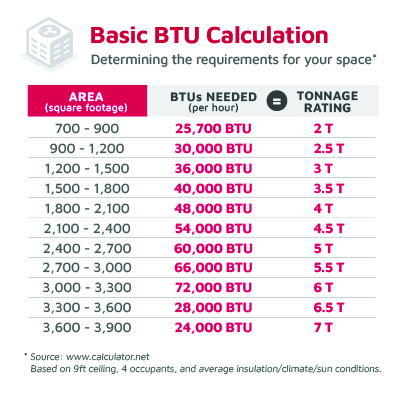
Start by measuring your room size in square feet. Then use the BTU guide below to find the right capacity for your space. Other factors like sunlight and people count affect the cooling load.
| Room Size (sq ft) | Recommended BTU |
| 100 – 150 | 5,000 – 6,000 |
| 150 – 250 | 6,000 – 8,000 |
| 250 – 350 | 8,000 – 10,000 |
| 350 – 450 | 10,000 – 12,000 |
| 450 – 550 | 12,000 – 14,000 |
Adjust BTU by adding 10% for sunny rooms. Add 600 BTU per extra person beyond two. These help keep your air conditioner effective.
Tips For Optimal Performance
- Keep doors and windows closed during use.
- Clean or replace air filters monthly.
- Use curtains to block direct sunlight.
- Place the unit where air flows freely.
- Turn off unnecessary heat sources nearby.
Following these tips helps your air conditioner cool better and last longer. Proper care reduces electric bills and keeps your room comfortable.
Credit: www.carrier.com

Credit: www.lexetx.com
Frequently Asked Questions
What Does Btu Stand For In Air Conditioners?
BTU stands for British Thermal Unit. It measures the cooling or heating capacity of an air conditioner. One BTU equals the energy needed to raise or lower one pound of water by one degree Fahrenheit.
Why Is Btu Important For Choosing An Air Conditioner?
BTU indicates the cooling power of the unit. Selecting the right BTU ensures efficient cooling and energy savings. Too low BTU won’t cool well; too high wastes energy.
How To Calculate The Right Btu For A Room?
Measure the room’s square footage and multiply by 20 BTU per square foot. Adjust for factors like sun exposure, ceiling height, and insulation for accuracy.
Can Higher Btu Damage My Air Conditioner?
Yes, an oversized unit cycles on and off frequently. This reduces efficiency, increases wear, and raises electricity bills. Proper BTU sizing is crucial for performance.
Conclusion
Knowing the BTU on air conditioners helps you choose the right size. A correct BTU means better cooling and lower energy bills. Too high or too low BTU can cause discomfort or waste power. Keep your space cool by matching BTU to room size.
Now, you can shop smarter and stay comfortable all year. Understanding BTU makes buying an air conditioner much easier. Simple and clear—just what you need for a cool home.