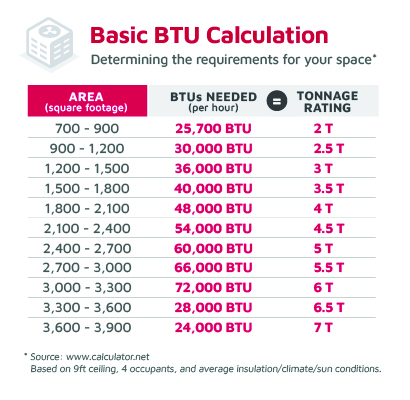
Have you ever noticed the term “BTU” on air conditioners and wondered what it really means? Understanding BTU is key to choosing the right air conditioner for your space.
If you pick the wrong size, your room might never feel comfortable, or your energy bills could skyrocket. This simple number holds the secret to efficient cooling and saving money. Keep reading, and you’ll discover exactly what BTU means and how to use it to make the best choice for your home or office.

Credit: newway.sg
Btu And Cooling Power
BTUstands for British Thermal Unit. It measures the amount of heat energy.
For air conditioners, BTU shows the cooling power. The higher the BTU, the larger the space it can cool.
BTU tells how much heat the AC can remove in one hour.
| BTU Rating | Room Size (approx.) |
|---|---|
| 5,000 BTU | Up to 150 sq ft |
| 8,000 BTU | 150 – 350 sq ft |
| 12,000 BTU | 350 – 550 sq ft |
| 18,000 BTU | 550 – 1,000 sq ft |
Choosing The Right Btu
Choosing the right BTUis key for cooling a room well. BTU means British Thermal Unit. It shows how much heat an air conditioner can remove per hour.
Room size affects BTU needs. Small rooms need fewer BTUs, large rooms need more.
| Room Size (sq ft) | BTU Needed |
|---|---|
| 100 – 300 | 5,000 – 6,000 BTU |
| 300 – 500 | 7,000 – 8,000 BTU |
| 500 – 800 | 9,000 – 12,000 BTU |
| 800 – 1,200 | 14,000 – 18,000 BTU |
Other factors affect BTU needs:
- Room height
- Sunlight exposure
- Number of people inside
- Heat from devices
- Insulation quality
Choosing the right BTU keeps the room cool and saves energy.
Btu And Energy Efficiency
BTUmeasures how much heat an air conditioner can remove. Higher BTU means more cooling power. But bigger is not always better. Too high BTU can waste energy and money.
Energy consumptiondepends on both BTU and how efficiently the unit works. A large BTU unit that is inefficient may use more electricity.
| Term | Meaning |
|---|---|
| BTU | Heat removal capacity of AC |
| Energy Consumption | Electricity used by AC |
| EER (Energy Efficiency Ratio) | BTU output per watt of power used |
EERtells how well an AC uses energy. A higher EER means more cooling with less power. It helps choose an energy-saving air conditioner.
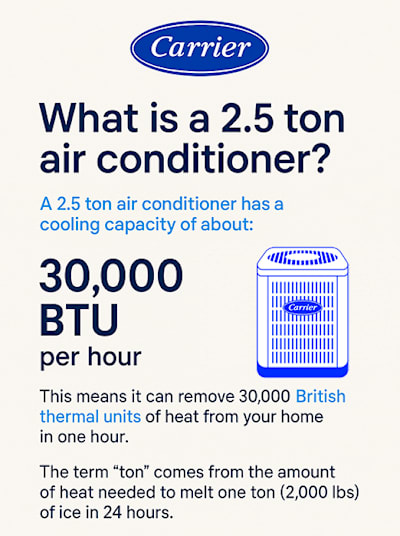
Credit: www.carrier.com
Types Of Air Conditioners By Btu
Window unitsare small and fit in a window space. They cool one room well. Their BTU rangeusually goes from 5,000 to 12,000. Choose a unit with the right BTU for your room size to save energy.
Split systemshave two parts: one inside and one outside. They cool larger areas and are quieter. Their BTU can range from 9,000 to 36,000 or more. These are good for whole homes or big spaces.
Portable ACscan move from room to room. They do not need installation. Their BTU is often between 8,000 and 14,000. They work well in small to medium rooms but may be less powerful than window units.
Common Btu Ranges For Homes
BTU measures how much heat an air conditioner can remove from a room. Most homes use AC units between 5,000 and 24,000 BTUs. Choosing the right BTU helps keep your home cool without wasting energy.
Small Rooms
Small rooms usually need air conditioners with 5,000 to 8,000 BTUs. These units cool spaces about 100 to 300 square feet. Perfect for bedrooms or small offices. Using the right BTU keeps the room comfortable without wasting energy.
Medium Rooms
Medium rooms require units with 8,000 to 12,000 BTUs. These cool areas around 300 to 500 square feet. Ideal for living rooms or bigger bedrooms. Choosing the right size helps keep energy bills lower.
Large Spaces
Large spaces often need air conditioners with 12,000 to 24,000 BTUs. These cool rooms larger than 500 square feet. Great for big living rooms or open floor plans. A proper BTU rating ensures effective cooling and comfort.
Impact Of Incorrect Btu Size
Choosing the wrong BTU size can lead to poor cooling and higher energy bills. An air conditioner too small won’t cool well; too big will waste power. Proper BTU ensures comfort and efficiency.
Too Low Btu Issues
An air conditioner with too low BTUcannot cool a room properly. It runs for a long time but still leaves the space warm. This leads to higher electricity billsand wear and tearon the unit. The system may break down faster because it works too hard.
Too High Btu Drawbacks
A unit with too high BTUcools the room too fast. It turns on and off often, causing poor humidity control. This makes the room feel cold and damp. It also wastes energy and increases costs. The frequent cycling can damage the air conditioner over time.
Calculating Btu For Your Space
To find the right BTUfor your space, measure the room size first. Multiply the lengthby the widthin feet to get the area. Use this number to estimate the cooling power needed.
- Small rooms (up to 150 sq ft) need about 5,000 BTU.
- Medium rooms (150-300 sq ft) need around 6,000-8,000 BTU.
- Larger rooms (300-500 sq ft) require 10,000-12,000 BTU.
Online BTU calculators can help by asking for your room size and other details. They quickly give a recommended BTU value. This saves time and reduces mistakes in cooling power choice.
Credit: www.lexetx.com
Frequently Asked Questions
What Is The Btu In Air Conditioners?
BTU stands for British Thermal Unit, a measure of energy. In air conditioners, it indicates the cooling capacity. A higher BTU rating means more cooling power. Choosing the right BTU is crucial for efficient cooling and energy savings. Always match the BTU rating with your room size for optimal performance.
How Does Btu Affect Cooling Efficiency?
BTU directly impacts an air conditioner’s cooling efficiency. A higher BTU unit cools larger spaces faster. However, an oversized unit can cause short cycling, wasting energy. Conversely, an undersized unit may struggle to cool the space adequately. Proper BTU selection ensures balanced cooling and energy efficiency.
Why Is Btu Important For Air Conditioners?
BTU is critical for determining an air conditioner’s cooling capacity. It helps in selecting the right unit for your space. A suitable BTU ensures efficient cooling and energy savings. It also prevents the unit from overworking or underperforming. Accurate BTU selection enhances comfort and prolongs the air conditioner’s lifespan.
How To Choose The Right Btu For Your Room?
To choose the right BTU, consider your room size and usage. Multiply the room’s square footage by 20 to estimate the BTU. Consider factors like ceiling height, sunlight exposure, and room insulation. These influence the required BTU for effective cooling.
Consult a professional for precise recommendations if needed.
Conclusion
BTU measures how much heat an air conditioner can remove. Choosing the right BTU size helps keep your room comfortable. Too low means poor cooling; too high wastes energy. Always check your room’s size before buying. Understanding BTU helps you make smart decisions.
It saves money and keeps you cool. Now, you know what BTU means and why it matters. Simple and clear. Easy to use when picking an air conditioner.