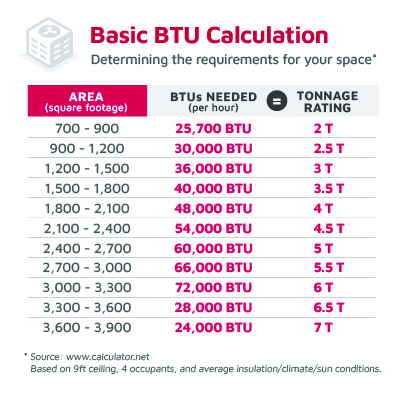
When you shop for an air conditioner, you might notice the term “BTU” popping up everywhere. But what does BTU really mean, and why should you care?
Understanding BTU can be the difference between a cool, comfortable room and a wasted energy bill. If you want to make the best choice for your home or office, knowing what BTU means and how it affects your air conditioner is essential.
Keep reading, and you’ll discover simple tips that make picking the right AC a breeze—saving you money and keeping you cool all year long.
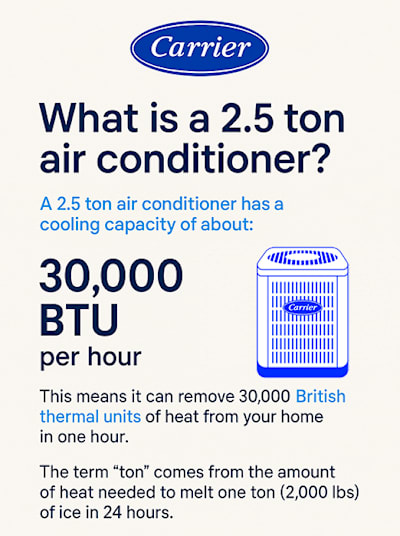
Credit: www.carrier.com
Btu Basics
BTU is an important term used with air conditioners. It helps describe how much cooling power a unit has. Understanding BTU can help you pick the right air conditioner size for your room.
Knowing the meaning of BTU and how it relates to energy can save you money and improve comfort. Let’s learn the basics.
Definition Of Btu
BTU stands for British Thermal Unit. It is a way to measure heat energy. One BTU is the amount of heat needed to raise the temperature of one pound of water by one degree Fahrenheit.
- BTU measures heat energy.
- It helps show how strong an air conditioner is.
- A higher BTU means more cooling power.
Btu And Energy Measurement
BTU also connects to energy use and efficiency. Air conditioners use energy to remove heat from a room. The BTU rating tells you how much heat the unit can remove per hour.
| Term | Meaning | Example |
|---|---|---|
| BTU | Heat energy unit | 12,000 BTU cools a medium room |
| Watt (W) | Power consumption | Air conditioner uses 1,000 W |
| Energy Efficiency Ratio (EER) | BTU per watt | Higher EER means better efficiency |
Credit: www.herzindagi.com
Role Of Btu In Air Conditioners
Btu stands for British Thermal Unit. It measures the energy needed to cool or heat air. Air conditioners use Btu to show their cooling power.
The higher the Btu, the more cooling the air conditioner can provide. Knowing Btu helps you pick the right unit for your space.
How Btu Affects Cooling Power
Btu shows how much heat an air conditioner can remove in one hour. More Btu means more heat is removed, so the room cools faster.
If the Btu is too low, the room will not get cool enough. If it is too high, it may cool too fast and waste energy.
Btu And Unit Size
The size of an air conditioner usually relates to its Btu rating. Bigger rooms need units with higher Btu.
Choosing the right Btu for your room size helps the air conditioner work efficiently. It keeps the room comfortable without using extra power.
- Small rooms: 5,000 to 8,000 Btu
- Medium rooms: 8,000 to 12,000 Btu
- Large rooms: 12,000 to 18,000 Btu or more
Choosing The Right Btu
BTU stands for British Thermal Unit. It measures how much heat an air conditioner can remove. Choosing the right BTU helps your room cool efficiently.
Too low BTU means the air conditioner works too hard. Too high BTU wastes energy and cools too fast without removing humidity.
Room Size Considerations
Room size is the main factor in choosing BTU. Larger rooms need more BTU to cool the space well. Smaller rooms need less BTU to avoid overcooling.
- Up to 150 sq ft: 5,000 BTU
- 150 to 250 sq ft: 6,000 BTU
- 250 to 350 sq ft: 8,000 BTU
- 350 to 450 sq ft: 10,000 BTU
- 450 to 550 sq ft: 12,000 BTU
Climate Impact On Btu Needs
Climate affects how many BTUs you need. Hotter climates require air conditioners with more BTU power. Cooler climates need less BTU for the same room size.
| Climate Type | BTU Adjustment |
| Hot and Humid | Increase BTU by 10-20% |
| Temperate | Use standard BTU |
| Cool | Reduce BTU by 10-15% |
Credit: www.lexetx.com
Btu And Energy Efficiency
BTU stands for British Thermal Unit. It measures the cooling power of air conditioners. A higher BTU means the unit can cool a bigger room.
Energy efficiency is important to save electricity and lower bills. It shows how well an air conditioner uses energy to cool your space.
Btu Per Watt Comparison
BTU per watt shows how much cooling you get for each watt of energy used. A higher number means better energy use.
| BTU Rating | Power Consumption (Watts) | BTU per Watt |
| 5,000 | 500 | 10 |
| 10,000 | 900 | 11.1 |
| 12,000 | 1,100 | 10.9 |
| 18,000 | 1,700 | 10.6 |
Energy Star Ratings
Energy Star labels help find energy-saving air conditioners. They meet strict rules set by the government for efficiency.
- Look for the Energy Star logo on the unit.
- Energy Star units use about 10-15% less energy.
- They help reduce your electric bills.
- These units are better for the environment.
Common Btu Mistakes
Btu stands for British thermal unit. It measures how much heat an air conditioner can remove. Choosing the right Btu size is very important.
Many people make mistakes by picking the wrong Btu size. This can cause problems with cooling and energy use.
Oversized Units
An oversized air conditioner has too many Btus for the room. It cools the air too fast but does not remove humidity well.
This can make the room feel cold and damp. The unit also turns on and off often, which wastes electricity and wears out the machine.
- Short cooling cycles cause poor humidity control
- Higher energy bills due to frequent starts and stops
- Uneven cooling with cold spots
- Increased wear and tear on the unit
Undersized Units
An undersized air conditioner has too few Btus for the space. It runs all the time but cannot cool the room properly.
This causes high energy use and a warm, uncomfortable room. The unit may also break down faster because it works too hard.
- Long running times increase energy costs
- Room stays warm and uncomfortable
- Unit may overheat and fail early
- Poor air quality due to poor cooling
Calculating Btu Requirements
BTU stands for British Thermal Unit. It measures the cooling power of air conditioners. Knowing the right BTU helps pick the best unit for a room.
Calculating BTU needs depends on room size and other factors. Let’s look at simple methods and professional ways to find the correct BTU.
Simple Calculation Methods
One easy way to estimate BTU is by measuring the room size. Multiply the room’s length by width to get square feet. Then use a basic formula to find BTU.
- Measure room length and width in feet.
- Calculate the area: length × width.
- Multiply area by 25 to get BTU estimate.
| Room Area (sq ft) | Approximate BTU |
| 100 | 2,500 |
| 200 | 5,000 |
| 300 | 7,500 |
| 400 | 10,000 |
Professional Assessment
Experts use more details to find BTU needs. They consider factors like sunlight, ceiling height, and number of people in the room. This helps get a precise BTU value.
- Room size and shape
- Sunlight exposure
- Number of windows and doors
- Insulation quality
- Ceiling height
- Number of occupants
Frequently Asked Questions
What Does Btu Mean In Air Conditioners?
BTU stands for British Thermal Unit. It measures the cooling power of an air conditioner. Higher BTU means stronger cooling capacity.
How Do Btus Affect Air Conditioner Performance?
BTUs determine how much heat an air conditioner can remove. Proper BTU size ensures efficient cooling and energy use.
What Btu Size Is Best For My Room?
Choose BTU based on room size. Small rooms need 5,000–8,000 BTUs; larger rooms require more for effective cooling.
Can Wrong Btu Size Damage My Air Conditioner?
Yes, a wrong BTU size can cause poor cooling or energy waste. Proper sizing extends unit lifespan.
Conclusion
Understanding BTU helps you choose the right air conditioner size. It shows how much heat the unit can remove from a room. Picking the correct BTU keeps your space cool and saves energy. Too low BTU means the room stays warm.
Too high BTU wastes power and money. Check the room size before buying. A good fit makes your AC work better and last longer. Remember, BTU is key to comfort and efficiency. Keep this in mind for a cooler, more comfortable home.