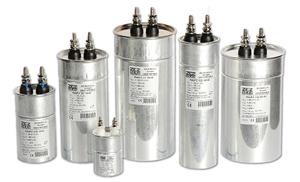
Have you ever wondered why your air conditioner sometimes struggles to start or suddenly stops working? The secret often lies in a small but powerful part called the capacitor.
This tiny component plays a crucial role in keeping your AC running smoothly and efficiently. If you want to understand how your air conditioner works and avoid costly repairs, learning about the capacitor is a smart first step. Keep reading, and you’ll discover exactly what the capacitor does and why it matters to your comfort and wallet.

Credit: www.lionaircooling.com
Role Of Capacitors In Air Conditioners
The capacitorin an air conditioner helps start and run the motor. It stores electric energy and releases it quickly. This gives a boost to the motor, helping it turn on and work smoothly. The capacitor also keeps the motor running efficiently by balancing the power flow.
There are mainly two types of capacitorsused in air conditioners:
- Start Capacitor:Provides extra power to start the motor.
- Run Capacitor:Keeps the motor running steadily and saves energy.
Both types help in proper motor function and improve the air conditioner’s performance.
Starting The Compressor Motor
The capacitor provides a boost of powerto start the compressor motor. It stores electric energy and releases it quickly. This helps the motor get moving without strain.
Without the capacitor, the motor might struggle to start or even fail. It keeps the startup smooth and steady. This prevents damage and saves energy.
- Stores electrical chargeto help the motor start
- Delivers extra powerneeded for initial movement
- Ensures smooth and safe startupof the compressor
Supporting The Fan Motor
The capacitor helps the fan motor start and run smoothly. It stores electrical energy and releases it quickly. This gives the fan motor the extra push it needs to begin spinning.
Maintaining consistent airflow is vital. The capacitor keeps the fan motor running at a steady speed. This helps air move evenly through the air conditioner, making the room cool and comfortable.
Preventing motor overload is another key job. The capacitor reduces the strain on the motor by balancing electrical power. This stops the motor from overheating or burning out, which can save costly repairs.
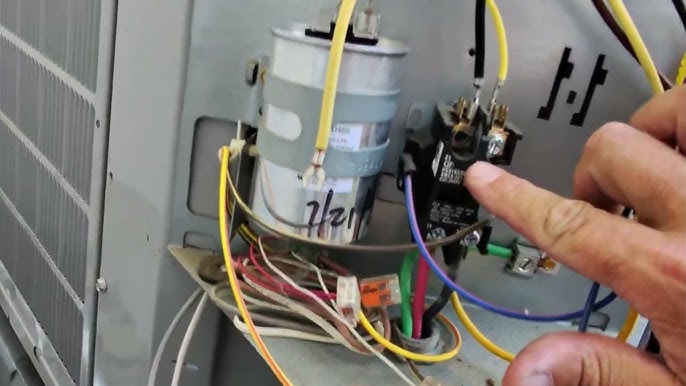
Credit: www.youtube.com
Energy Efficiency And Performance
The capacitor plays a key role in reducing power consumptionin air conditioners. It helps the compressor start smoothly and run efficiently. This smooth start means the motor uses less electricity.
By keeping the motor running at a steady speed, the capacitor enhances cooling efficiency. The air conditioner cools the room faster and keeps the temperature steady. This leads to better performanceand lower energy bills.
- Reduces power spikesduring startup
- Keeps compressor motor running steadily
- Improves cooling speed and consistency
- Helps save electricity over time
Signs Of A Failing Capacitor
Common symptomsof a failing capacitor include the air conditioner struggling to start or not starting at all. You may hear a humming noise or see the fan motor running slowly. Sometimes, the unit may stop suddenly during operation. The air conditioner might also blow warm air instead of cool air. These signs often mean the capacitor is weak or broken.
The impact on air conditioner operationcan be serious. A bad capacitor can cause the compressor and fan motor to fail. This reduces the cooling ability and increases energy use. The unit may run less efficiently and wear out faster. Replacing a failing capacitor is key to keeping the air conditioner working well and saving money on repairs.

Credit: www.frhvac.com
Replacing And Maintaining Capacitors
Safety first.Always turn off the power before touching the capacitor. Use a screwdriver to discharge stored electricity carefully. Wearing gloves and safety glasses protects you from shocks and sparks. Avoid working alone in case of emergencies.
Keep tools dry and use insulated handles. Check the capacitor’s rating and replace it with one that matches exactly. Never touch terminals directly with bare hands.
- Store your air conditioner in a dry place.
- Clean dust and dirt around the capacitor regularly.
- Inspect capacitor for bulges or leaks.
- Replace the capacitor every few years or when performance drops.
- Keep the unit free of moisture to avoid damage.
Frequently Asked Questions
What Is The Main Function Of A Capacitor In Ac Units?
A capacitor stores and releases electrical energy to start the compressor and fan motors. It ensures smooth operation and efficient cooling in air conditioners.
How Does A Capacitor Affect Air Conditioner Performance?
A healthy capacitor provides the right voltage to motors, helping them run efficiently. A faulty capacitor can cause weak cooling and motor failure.
Can A Bad Capacitor Cause An Ac Not To Start?
Yes, a faulty capacitor can prevent the compressor and fan motors from starting, leading to AC system failure or no cooling.
How Long Does An Ac Capacitor Typically Last?
AC capacitors generally last 10-20 years, but extreme heat and wear can shorten their lifespan. Regular maintenance helps extend capacitor life.
Conclusion
A capacitor helps an air conditioner start and run smoothly. It stores and releases energy to power the motor. Without it, the AC may not work properly or could stop completely. Knowing its role can help you understand your AC better.
Regular checks keep your unit efficient and last longer. Small parts like capacitors make a big difference in cooling your home. Keep an eye on them to avoid costly repairs. Simple care leads to cool, comfortable spaces all year.