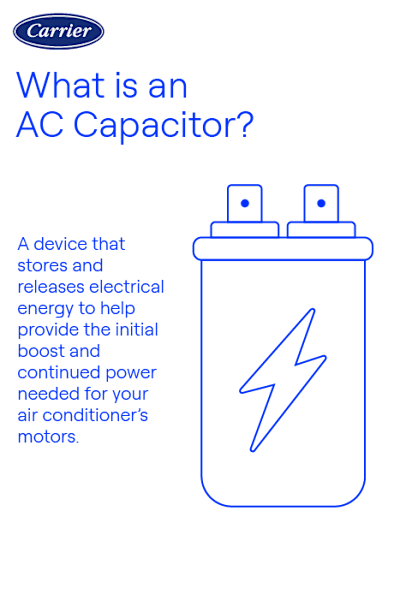
Have you ever wondered what keeps your air conditioner running smoothly, especially on those scorching hot days? One small but powerful part plays a big role in making sure your AC cools your home efficiently—the capacitor.
Understanding what the capacitor does can help you spot problems early and keep your system working like new. You’ll discover exactly how this tiny component impacts your comfort and why it’s so important for your air conditioner’s performance. Keep reading to unlock the secret behind your AC’s cool breeze!
Role Of Capacitors In Air Conditioners
A capacitor in an air conditioner helps start and run motors. It stores electrical energy and releases it quickly. This burst of power gets the compressor motor going. Without it, the motor might struggle or fail to start.
The capacitor also supports the fan motor. It keeps the fan running smoothly and at the right speed. This helps cool the air inside your home efficiently.
By ensuring motors start and run well, capacitors help the air conditioner use less energy. This leads to better performance and lower electricity bills.
Credit: www.apogeeweb.net
Types Of Capacitors Used
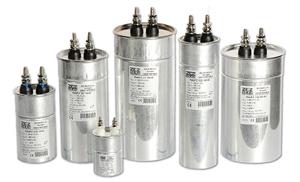
Start capacitorshelp the air conditioner’s motor to begin spinning. They give a strong boost of power only at the start. This capacitor works for a short time and then stops.
Run capacitorskeep the motor running smoothly after it starts. They provide constant energy to the motor while the air conditioner works. This helps save energy and keeps the motor cool.
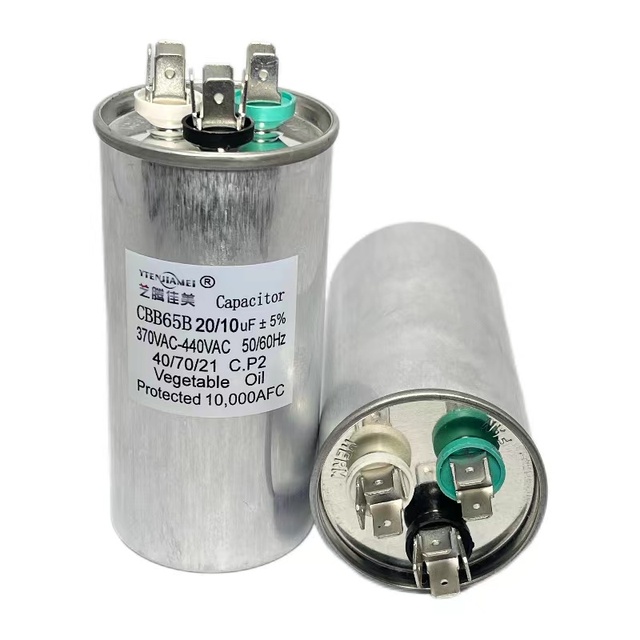
Dual capacitorscombine the functions of start and run capacitors in one unit. They save space and make the system simpler. These capacitors have three terminals for different connections.
Signs Of A Faulty Capacitor
Unusual noiseslike buzzing or humming can mean the capacitor is bad. These sounds come from the motor struggling to start or keep running.
Failure to startis a common sign. The air conditioner may not turn on at all, or it may start then stop quickly.
Reduced cooling performancehappens because the motor does not run properly. The AC will not cool the room as well as before.

Credit: www.reddit.com
Replacing The Capacitor
Safetyis very important before replacing an air conditioner capacitor. Turn off power at the breaker box. Use a voltage tester to be sure no electricity flows. Wear insulated gloves and safety glasses. Discharge the capacitor with a screwdriver that has an insulated handle. Never touch the terminals directly.
Remove the access panel to find the capacitor. Note the wires’ positions or take a photo. Disconnect the wires carefully. Remove the old capacitor and replace it with the exact same type and rating. Connect the wires to the new capacitor as before. Replace the panel and restore power. Test the air conditioner to check if it runs smoothly.
Call a professional when unsure about handling electrical parts. Seek help if the capacitor size or type is unclear. Professionals have tools and knowledge to avoid injury or damage.
Maintaining Capacitor Health
Regular checks help keep the capacitorworking well. Look for bulges, leaks, or rust. These signs show it may need replacing. Use a multimeterto test its charge. A weak capacitor can cause the air conditioner to run poorly or stop.
Protect the capacitor from power surges. Sudden changes in electricity can damage it. Use surge protectorsto keep electrical flow steady. Avoid turning the air conditioner on and off too often. This reduces stress on the capacitor.
Heat and moisture can shorten the capacitor’s life. Place the air conditioner in a dry, coolspot. Make sure vents are clear so air flows well. Clean dust and dirt regularly. These steps help keep the capacitor safe and working longer.
Credit: www.accio.com
Frequently Asked Questions
What Is The Capacitor’s Role In An Air Conditioner?
The capacitor stores electrical energy to help start the compressor and fan motors. It ensures smooth and efficient operation of the AC unit by providing the necessary boost during startup.
How Does A Capacitor Affect Air Conditioner Performance?
A healthy capacitor maintains proper motor speed and energy use. A failing capacitor can cause slow starts, inefficient cooling, or the AC not turning on at all.
Can A Faulty Capacitor Damage An Air Conditioner?
Yes, a bad capacitor can cause motors to overheat and fail. This leads to costly repairs and reduced air conditioner lifespan if not replaced promptly.
How Often Should An Air Conditioner Capacitor Be Replaced?
Typically, capacitors last 10-20 years but should be checked annually. Replace it if signs of wear, bulging, or AC issues appear to avoid breakdowns.
Conclusion
Capacitors play a key role in air conditioners. They store energy to start the compressor. Without them, your AC might not cool effectively. They help motors run smoothly, ensuring efficient operation. Regular checks can prevent sudden failures. This saves money and keeps your home comfortable.
If your AC struggles to start, the capacitor might be the issue. Consider professional help for capacitor problems. Understanding this component ensures better AC maintenance. Stay cool and informed about your air conditioning system.