Have you ever wondered what makes your air conditioner cool your room so effectively? The secret lies in a small but powerful part called the compressor.
Without it, your AC wouldn’t be able to keep your home comfortable on hot days. Understanding what the compressor does can help you appreciate how your air conditioner works and why it’s important to keep it in good shape. Keep reading to discover the crucial role this tiny component plays in turning warm air into refreshing coolness just for you.
Role Of The Compressor
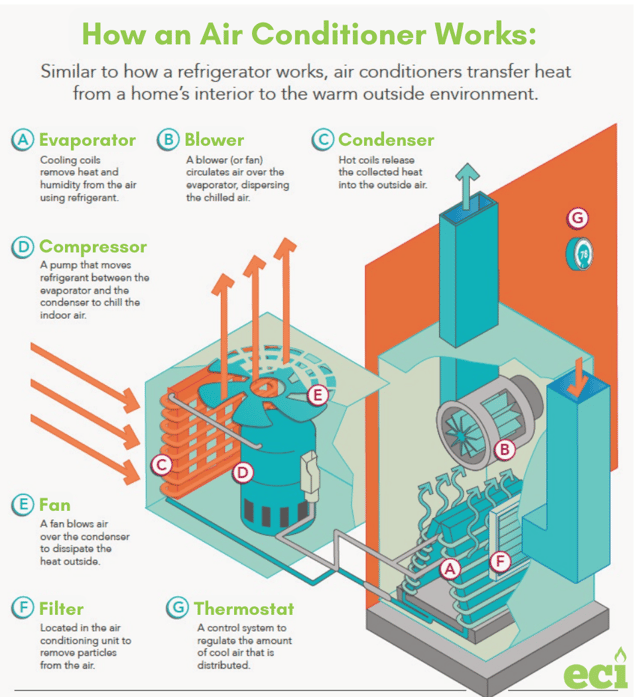
The compressoris the heart of an air conditioner’s cooling cycle. It pressurizesthe refrigerant gas, raising its temperature and pressure. This process makes the refrigerant flow through the system easily.
Inside the cooling cycle, the compressor moves the warm refrigerant from the indoor coil to the outdoor coil. This helps the refrigerant release heat outside. Then, the cool refrigerant returns inside to absorb more heat.
The energy transfer processinvolves the compressor using electrical energy to compress the refrigerant. This compressing actionchanges the refrigerant from a low-pressure gas to a high-pressure gas. The compressor keeps the refrigerant moving and keeps the cooling cycle going.
Credit: www.ecicomfort.com
Types Of Compressors
Reciprocating compressorsuse pistons to compress air. They are common in small to medium air conditioners. These compressors are simple and cost-effective but can be noisy.
Rotary compressorshave a spinning rotor inside. They are smaller and quieter than reciprocating types. These work well in compact air conditioners.
Scroll compressorsuse two spiral parts to compress air. One part moves, and the other stays still. They are very efficient and quiet, often found in high-end models.
Centrifugal compressorswork by spinning air at high speed. These are large and used in big air conditioning systems like in malls or offices. They handle large volumes of air efficiently.
How The Compressor Works
The compressorpushes the refrigerant gas into the air conditioner system. This action raises the pressureof the gas. As pressure rises, the temperatureof the refrigerant also increases. This hot, high-pressure gas moves to the condenser.
Inside the compressor, the gas is squeezed tightly. This process is called the compression mechanism. It forces the refrigerant molecules closer together. Because of this, the gas becomes very hot.
The main effects of compression are:
- Higher pressurein the refrigerant
- Increased temperatureof the gas
- Preparation for heat release in the condenser

Credit: reling.com
Compressor Components
The motor and drive systempowers the compressor. It turns the pistons to compress the refrigerant gas. This system uses electric energy to work efficiently and quietly.
Valves and pistonscontrol the flow of refrigerant. Pistons move up and down inside cylinders. Valves open and close to let gas in and out at the right time.
The housing and coolingprotect the compressor parts. The housing keeps everything together and safe. Cooling parts stop the compressor from getting too hot during work.
Signs Of Compressor Problems
Unusual noiseslike rattling or buzzing can signal compressor issues. Strange sounds often mean the compressor parts are worn out or loose.
Reduced cooling efficiencyhappens when the compressor struggles to pump refrigerant. The air conditioner may not cool rooms well or takes longer to get cold.
Frequent cyclingmeans the air conditioner turns on and off too often. This can cause wear and tear on the compressor and raise energy bills.
Maintenance Tips
Regular inspection helps spot problems early. Check for unusual noises or leaks. Look at the compressor and surrounding parts carefully. Fix small issues before they grow.
Cleaning and lubrication keep the compressor running smoothly. Remove dust and dirt from coils and fins. Lubricate moving parts to reduce wear and tear. Clean filters often to maintain airflow.
Professional servicing ensures expert care. Technicians check refrigerant levels and electrical connections. They clean internal parts deeply and fix complex issues. Schedule service at least once a year for best results.
Energy Efficiency And Compressors
The compressor in an air conditioner pumps refrigerant through the system, helping remove heat from the air. It plays a key role in saving energy by working efficiently to cool spaces faster. Proper compressor function means lower electricity bills and better cooling performance.
Impact On Power Consumption
The compressor uses a lot of energy in an air conditioner. It pumps the refrigerant to keep the air cool. A strong compressor can cool faster but may use more power. Some compressors work at variable speeds. These adjust power use based on cooling needs. This helps save electricity and lowers bills.
Modern Energy-saving Technologies
Newer air conditioners use smart compressors. They run quietly and use less energy. Inverter technology allows compressors to change speed smoothly. This keeps rooms cool without turning the compressor fully on or off. It cuts down power use and keeps temperature steady.

Credit: okmarts.com
Choosing The Right Compressor
Choosing the right compressormeans matching its power to the room size. A compressor too small will struggle to cool the space. A compressor too big wastes energy and costs more. The best fit keeps the room cool without using extra power.
Cost and performance often balance each other. Cheaper compressors save money upfront. But they may wear out faster or use more electricity. Higher quality compressors cost more but last longer and run quieter. Think about how long you plan to use the air conditioner.
| Factor | Low-Cost Compressor | High-Quality Compressor |
|---|---|---|
| Price | Low | High |
| Energy Use | Higher | Lower |
| Durability | Shorter | Longer |
| Noise Level | Louder | Quieter |
Frequently Asked Questions
What Is The Role Of A Compressor In Ac?
The compressor circulates refrigerant between the evaporator and condenser coils. It compresses the refrigerant, raising its temperature and pressure. This process enables the air conditioner to release heat outside and cool your indoor space efficiently.
How Does The Compressor Affect Ac Efficiency?
The compressor directly impacts the air conditioner’s efficiency. A well-functioning compressor ensures effective refrigerant circulation. This leads to optimal cooling performance and lower energy consumption, reducing electricity bills.
Why Is My Ac Compressor Making Noise?
A noisy compressor might indicate mechanical issues or wear and tear. It could be due to loose parts, refrigerant leaks, or internal damage. Addressing these issues quickly can prevent further damage and maintain efficient cooling.
Can A Faulty Compressor Be Repaired?
Yes, a faulty compressor can often be repaired, but it depends on the issue. Minor problems like electrical faults or leaks can be fixed. However, severe damage may require a replacement to ensure the air conditioner functions properly.
Conclusion
The compressor plays a key role in your air conditioner. It helps move the refrigerant and keeps the cooling process going. Without it, your AC cannot cool your home effectively. Understanding this part can help you care for your air conditioner better.
Regular maintenance keeps the compressor working well. This saves energy and lowers repair costs. Next time your AC runs, remember the compressor is working hard. It makes your room cool and comfortable. Simple but important.