Have you ever spotted those fuzzy, striped caterpillars crawling on trees and wondered what they become? The tent caterpillar is more than just a garden visitor—it transforms into something quite surprising.
If you’re curious about how this little creature changes and what it looks like as an adult, you’re in the right place. Keep reading, and you’ll discover the fascinating life cycle of the tent caterpillar and why this transformation matters for your garden and the environment.
Tent Caterpillar Life Cycle
The tent caterpillar goes through several stages before becoming a moth. Each stage has unique features and behaviors. Understanding these stages helps us learn about their growth and changes.
This life cycle includes the egg, larval, and pupal stages. The caterpillar changes its form and function in each step.
Egg Stage
Tent caterpillars start as eggs laid in clusters on tree branches. The eggs stay protected through the winter. In early spring, the eggs hatch into larvae.
Larval Stage
In the larval stage, the caterpillar eats leaves and grows quickly. They build silk tents to protect themselves from predators and bad weather.
- Young larvae feed on leaves near the egg site.
- They create webbed tents for shelter.
- The larvae molt several times as they grow.
- They stay in groups inside the tent for safety.
Pupal Stage
After the larval stage, the caterpillar forms a cocoon. Inside, it changes into a moth. This stage lasts a few weeks before the adult moth emerges.
| Stage | Description | Duration |
| Egg | Laid on branches; hatches in spring | Winter to early spring |
| Larva | Feeds on leaves and builds tents | Several weeks |
| Pupa | Cocoon stage; transforms into moth | Few weeks |
Credit: www.brodybrotherspestcontrol.com
Physical Changes During Metamorphosis
The tent caterpillar goes through many changes as it grows. It starts as a small caterpillar and turns into a moth. This process is called metamorphosis.
Each stage shows different physical features. These changes help the insect survive and develop into an adult.
Caterpillar Appearance
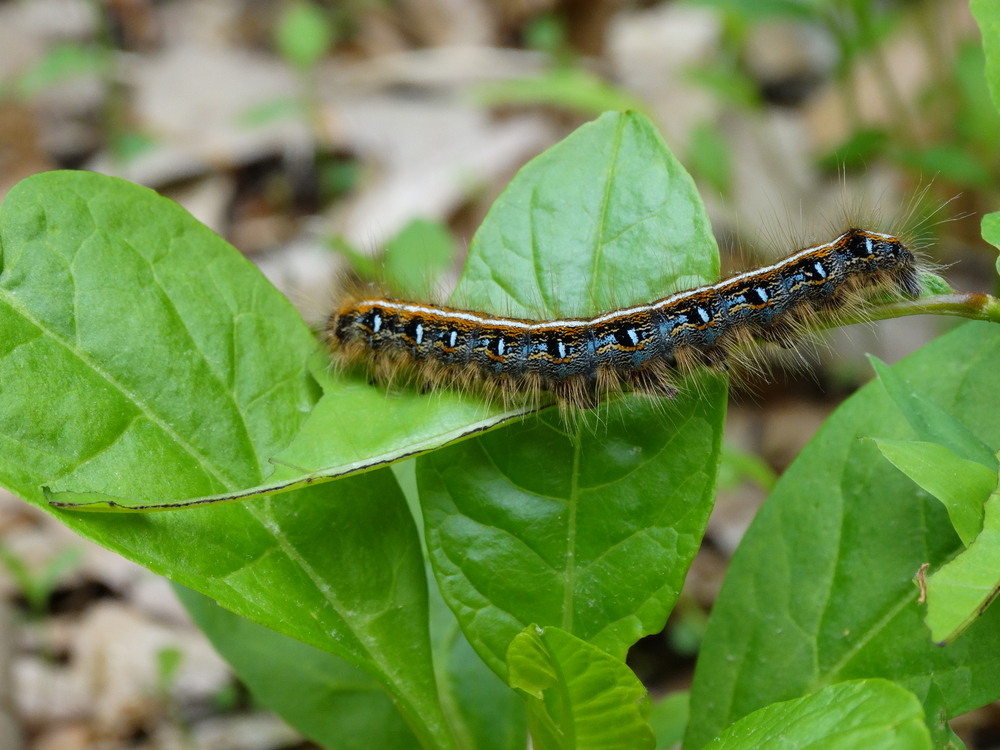
The tent caterpillar has a soft body covered with fine hairs. It is usually brown or black with a white stripe down its back. The caterpillar has many legs that help it move on tree branches.
- Soft, hairy body
- Brown or black color
- White stripe along the back
- Multiple legs for climbing
Chrysalis Formation
When the caterpillar is ready, it stops eating and finds a safe place. It then makes a chrysalis or cocoon. Inside, the caterpillar changes into a moth.
| Stage | Description |
| Pre-Chrysalis | Caterpillar stops moving and eating |
| Chrysalis Formation | Body hardens and forms a protective shell |
| Metamorphosis | Body tissues change into adult structures |
Emergence Process
After the moth fully forms, it breaks the chrysalis. Its wings are soft and wet at first. The moth rests while its wings dry and harden.
- Chrysalis shell cracks open
- Moth crawls out carefully
- Wings expand and dry
- Moth prepares to fly
Adult Form Of Tent Caterpillar
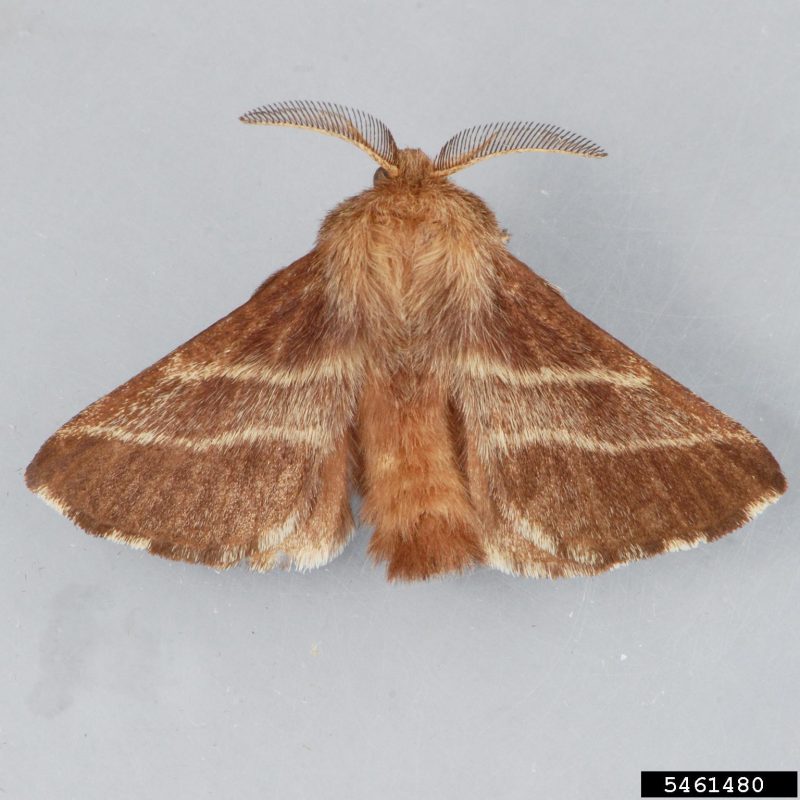
The tent caterpillar transforms into an adult moth after its larval stage. This change is part of its life cycle. The adult moth looks very different from the caterpillar.
Understanding the adult moth helps us learn about the tent caterpillar’s full life. The moth has unique features and behaviors that suit its new role.
Moth Characteristics
The adult tent caterpillar becomes a moth with several distinct traits. It has wings that help it fly and find mates. The moth’s body is covered in fine scales, giving it a soft look.
- Wingspan ranges from 1 to 1.5 inches
- Brown or tan color with white or yellow markings
- Feathery antennae, especially in males
- Body length about 0.5 to 0.75 inches
- Soft, furry texture on wings and body
Behavior And Habitat
The adult moth is mostly active at night. It does not feed much and focuses on reproduction. After mating, females lay eggs on tree branches to start a new cycle.
| Behavior | Details |
|---|---|
| Activity Time | Nocturnal |
| Feeding | Minimal or none as adults |
| Mating | Occurs soon after adult emergence |
| Egg Laying | On tree branches, in clusters |
| Habitat | Woodlands, orchards, and forests |

Credit: plantwiseplusknowledgebank.org
Role In The Ecosystem
The tent caterpillar is a common insect that affects many trees. It grows into a moth after its caterpillar stage. These insects play a part in the balance of nature.
They influence the health of forests and help feed other animals. Understanding their role helps us see how nature works together.
Impact On Trees
Tent caterpillars eat leaves from trees, which can slow the tree’s growth. Large groups can strip many leaves, making trees weaker. This can stress the trees but usually does not kill them.
- Leaves eaten reduce the tree’s ability to make food.
- Weakened trees can be more open to diseases.
- Trees often grow new leaves after caterpillars leave.
- Repeated attacks may harm young or weak trees more.
Predators And Natural Control
Many animals eat tent caterpillars or their eggs. These predators keep caterpillar numbers low and help protect trees.
| Predator | Role |
| Birds | Feed on caterpillars and moths |
| Wasps | Lay eggs inside caterpillars |
| Spiders | Catch caterpillars in webs |
| Small Mammals | Eat eggs and young caterpillars |
Common Myths About Tent Caterpillars
Tent caterpillars are often misunderstood insects. People tell many stories about what they turn into. These stories are not always true.
This article clears up some common myths. It helps you learn the real facts about tent caterpillars and their life cycle.
Myth: Tent Caterpillars Turn Into Dangerous Moths
Many think tent caterpillars become harmful moths that damage crops. In truth, they turn into moths that do not cause much harm. Their adult stage is short and mostly for reproduction.
Myth: Tent Caterpillars Build Their Tents To Trap Prey
Some believe tent caterpillars use their tents to catch insects for food. Actually, the tents protect the caterpillars from cold and predators. They stay inside to stay safe and warm.
Myth: Tent Caterpillars Cause Trees To Die
People often blame tent caterpillars for killing trees. While they eat leaves, they rarely kill healthy trees. Trees can grow new leaves after the caterpillars leave.
True Facts About Tent Caterpillars
- Tent caterpillars become moths after their larval stage.
- The moths live only a few days to mate and lay eggs.
- Tents are shelters, not traps.
- The caterpillars mainly eat leaves but do not kill strong trees.
- They are part of the natural ecosystem and food chain.
| Myth | Reality |
| Turn into dangerous moths | Become harmless adult moths |
| Tents trap prey | Tents protect from cold and predators |
| Kill trees | Only eat leaves; healthy trees survive |

Credit: medium.com
Frequently Asked Questions
What Insect Does The Tent Caterpillar Become?
The tent caterpillar transforms into a moth. Specifically, it becomes a brownish moth with white and yellow markings. This moth emerges after the caterpillar pupates inside a cocoon during late spring or early summer.
How Long Does Tent Caterpillar Metamorphosis Take?
The metamorphosis from caterpillar to moth takes about two to three weeks. The caterpillar spins a cocoon and remains inside while it changes. After this period, the adult moth emerges ready to reproduce.
Are Tent Caterpillar Moths Harmful To Plants?
Tent caterpillar moths themselves do not harm plants. It is the caterpillar stage that feeds on leaves and can defoliate trees. Once they become moths, they focus on reproduction and do not eat leaves.
Where Do Tent Caterpillars Pupate?
Tent caterpillars pupate within silken cocoons in tree branches or nearby sheltered spots. They create these cocoons inside or near their tents before transforming into moths. This protects them during their vulnerable pupal stage.
Conclusion
The tent caterpillar transforms into a beautiful moth. This fascinating journey is part of nature’s cycle. Watching this metamorphosis offers a glimpse into life’s wonders. The moth plays a vital role in the ecosystem. It helps pollinate plants, supporting biodiversity.
Many creatures rely on these moths for food. Observing this transformation can spark curiosity in nature. It reminds us of the intricate links in our world. Understanding these changes enhances our connection to nature. Appreciate the beauty and complexity of these tiny creatures.
Nature’s wonders unfold right before our eyes.