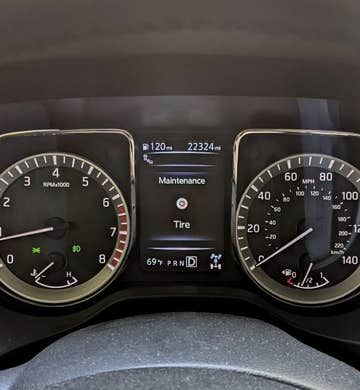
If you own a Nissan Rogue, you know how important it is to keep your vehicle running smoothly. But have you ever stopped to think about what tire maintenance really means for your Rogue?
Your tires are the only part of your car that touch the road, and taking care of them affects your safety, fuel efficiency, and overall driving experience. You’ll discover simple but powerful tips to keep your tires in top shape.
By the time you finish reading, you’ll know exactly how to protect your investment and enjoy every drive with confidence. Keep reading—you won’t want to miss these essential insights!
Tire Basics For Nissan Rogue
Understanding tire basics is key for keeping your Nissan Rogue safe and efficient. Tires support your vehicle’s weight and affect handling, fuel economy, and comfort. Knowing the right tire types and sizes helps maintain performance. Proper tire pressure ensures safety and extends tire life. This section breaks down these essentials for your Nissan Rogue.
Tire Types And Sizes
Nissan Rogue tires come in various types designed for different conditions. Common types include all-season, winter, and performance tires. All-season tires suit most weather and roads. Winter tires offer better grip on snow and ice. Performance tires improve handling and speed but wear faster.
Choosing the correct tire size is crucial. The Nissan Rogue usually fits tires sized 225/65R17 or 225/60R18. Check your owner’s manual or tire sidewall for exact size. Using the right size ensures proper fit and vehicle balance.
Recommended Tire Pressure
Maintaining the correct tire pressure is vital for safety and fuel efficiency. Nissan Rogue’s recommended tire pressure is often 35 PSI, but it can vary. Find the exact pressure on the sticker inside the driver’s door or in the manual.
- Check pressure when tires are cold for accuracy.
- Use a reliable tire pressure gauge.
- Do not overinflate or underinflate tires.
- Adjust pressure according to load and driving conditions.
Proper tire pressure improves traction and prevents uneven wear. It also helps avoid blowouts and improves ride comfort.
Checking Tire Pressure Regularly
Checking tire pressure regularly on your Nissan Rogue is a simple task that can save you from costly repairs and improve your driving experience. Proper tire pressure ensures your vehicle handles well and maintains fuel efficiency. Ignoring this small detail can lead to uneven tire wear and even dangerous driving conditions.
Using A Tire Pressure Gauge
A tire pressure gauge is a handy tool that gives you an accurate reading of your tire’s current pressure. You can find digital or manual gauges at most auto stores, and they are easy to use. Just remove the valve cap on your tire, press the gauge onto the valve stem, and read the pressure.
Many drivers overlook checking their tires because they assume the car’s system will alert them. But relying solely on warning lights can be risky. Regular manual checks help you catch small leaks early, preventing bigger problems down the road.
Ideal Pressure Ranges
Your Nissan Rogue’s ideal tire pressure is typically listed on a sticker inside the driver’s door or in the owner’s manual. It usually ranges between 32 and 35 PSI (pounds per square inch) for most tires. Maintaining this range helps your tires wear evenly and keeps your vehicle stable on the road.
Keep in mind that tire pressure can change with the weather. Cold mornings might lower your tire pressure, while hot days can increase it. Checking your pressure monthly, and before long trips, ensures your tires stay within the ideal range.
Effects Of Incorrect Pressure
Driving with incorrect tire pressure can affect your Nissan Rogue’s performance and safety. Too low pressure makes tires wear out faster on the edges and increases fuel consumption. On the other hand, overinflated tires can cause a harsh ride and reduce traction.
Have you ever felt your car pulling to one side or noticed uneven tire wear? These are signs that your tire pressure might be off. Regular checks prevent these issues, keeping your drive smooth and your tires lasting longer.
Tire Tread And Wear Patterns
Tire tread and wear patterns play a crucial role in the safety and performance of your Nissan Rogue. The tread grips the road, helping with traction and braking. Over time, wear affects how well your tires perform. Monitoring tread and wear helps prevent accidents and improves fuel efficiency.
Understanding tread depth and wear patterns allows timely maintenance. This keeps your Rogue driving smoothly and safely. Regular checks spot uneven wear, indicating alignment or suspension issues.
Measuring Tread Depth
Checking tread depth is simple but vital. Use a tread depth gauge or a coin to measure. The legal minimum depth is 2/32 of an inch, but replacing tires earlier is safer.
- Insert the gauge or coin into the tread groove.
- Check the measurement against the recommended depth.
- Measure at several points around the tire.
Consistent tread depth across the tire means even wear. Uneven depth suggests a problem that needs fixing.
Common Wear Issues
Tires wear in distinct patterns, each indicating different issues:
- Center Wear:Over-inflation causes faster wear in the center.
- Edge Wear:Under-inflation makes edges wear more quickly.
- One-Sided Wear:Poor alignment leads to wear on one side.
- Cupping or Scalloping:Suspension problems cause uneven, bumpy wear.
Recognizing these patterns helps diagnose vehicle issues early. Fixing these problems prevents further tire damage and improves safety.
When To Replace Tires
Tire replacement depends on tread depth and wear condition. Replace tires when:
- Tread depth reaches 2/32 inch or less.
- Wear is uneven and affects performance.
- Sidewalls show cracks, cuts, or bulges.
- Tires are older than six years, regardless of wear.
Regular tire checks keep your Nissan Rogue safe and reliable. Proper tire care extends tire life and enhances driving comfort.

Credit: www.carhub.ca
Tire Rotation And Balancing
Tire rotation and balancing are key parts of tire maintenance for your Nissan Rogue. They help your tires wear evenly and keep your ride smooth. These services extend tire life and improve safety on the road. Understanding the rotation schedule and balancing benefits will help you care better for your vehicle.
Rotation Schedule For Nissan Rogue
Rotating tires means moving them to different positions on the car. This prevents uneven wear and tear. Nissan recommends rotating the Rogue’s tires every 5,000 to 7,500 miles. Following this schedule keeps tread wear balanced. Tires last longer and perform better with regular rotation.
Benefits Of Tire Balancing
Tire balancing ensures weight is evenly spread around each tire. It prevents vibrations and uneven tire wear. Balanced tires improve fuel efficiency and handling. This service also reduces strain on suspension parts. Balanced tires mean a safer, more comfortable drive for your Nissan Rogue.
Wheel Alignment Importance
Wheel alignment plays a crucial role in maintaining your Nissan Rogue’s tire health and overall driving performance. Proper alignment ensures that your tires meet the road at the right angle, improving handling and safety. Neglecting wheel alignment can lead to uneven tire wear and costly repairs.
Signs Of Misalignment
Have you noticed your Rogue pulling to one side while driving? This is a common sign of misalignment. Other signs include:
- Uneven tire wear patterns
- Steering wheel vibrating or feeling loose
- Steering wheel not centered when driving straight
Ignoring these signs can worsen the condition and affect your driving experience. Pay attention to these symptoms early to avoid bigger problems.
Impact On Tire Longevity
Misalignment causes your tires to wear unevenly and faster than normal. This means you’ll need to replace your tires more often, which can hit your wallet hard. Proper alignment spreads the load evenly across the tire, extending its lifespan.
Imagine saving hundreds of dollars just by getting your wheels aligned regularly. It also improves fuel efficiency because your Rogue doesn’t have to work as hard to roll smoothly. Have you checked your wheel alignment lately? It might be time to schedule a quick inspection.
Seasonal Tire Care
Seasonal tire care keeps your Nissan Rogue safe and efficient throughout the year. Tires react differently to weather changes. Using the right tires for each season improves traction and handling. Proper care also extends tire life and saves money.
Summer Vs Winter Tires
Summer tires perform best on warm, dry roads. Their rubber stays firm, offering good grip and control. They wear faster in cold weather and lose traction on ice.
Winter tires have softer rubber that stays flexible in cold temperatures. They provide better traction on snow and ice. Tread patterns help channel slush and water away. Using winter tires in summer causes faster wear and less fuel efficiency.
Switch tires based on the season for safer driving. Summer tires suit temperatures above 45°F (7°C). Use winter tires below that temperature for best performance.
Storage Tips For Off-season Tires
- Clean tires thoroughly before storage to remove dirt and grime.
- Store tires in a cool, dry place away from sunlight and heat sources.
- Keep tires upright or stacked flat to prevent distortion.
- Use tire bags or covers to protect against dust and moisture.
- Avoid storing tires near chemicals or solvents that can damage rubber.
Proper storage keeps tires in good shape and ready for use next season. Check tires for cracks or damage before reinstalling on your Nissan Rogue.
Handling Tire Damage
Handling tire damage on your Nissan Rogue is crucial for maintaining safety and performance on the road. Tires take the brunt of daily driving, so knowing how to spot damage and act quickly can save you from costly repairs or dangerous situations. Let’s break down what you need to watch for and how to handle minor tire issues effectively.
Identifying Punctures And Cuts
Look closely at your tires for any unusual marks. Punctures often appear as small holes or embedded objects like nails or screws. Cuts may look like slashes or tears in the tire sidewall or tread.
Check your tire pressure regularly. A sudden drop can signal hidden damage. Also, listen for unusual sounds while driving, like hissing or thumping, which might indicate a puncture.
Have you ever ignored a small nail in your tire, thinking it wouldn’t cause trouble? That little oversight can lead to a flat tire on a busy highway. Spotting damage early keeps you safe and avoids inconvenient breakdowns.
Temporary Fixes And Repairs
If you find a puncture, a temporary fix like a tire plug or sealant can get you to a repair shop safely. These solutions are quick and easy but should never replace a proper professional repair.
- Use a tire plug kit designed for quick roadside repairs.
- Apply a tire sealant to fill small holes and prevent air loss.
- Keep a portable air compressor handy to maintain tire pressure after repairs.
Temporary fixes buy you time, but remember they don’t restore the tire’s full strength. After any patch or plug, visit a tire specialist to ensure your Nissan Rogue’s tire is safe for long drives.
Credit: www.bfgoodrich.ca
Maintaining Tire Appearance
Maintaining tire appearance on your Nissan Rogue is more than just about looks—it reflects how well you care for your vehicle and can even impact safety. Clean, well-treated tires not only enhance curb appeal but also help you spot early signs of wear or damage. Paying attention to your tires’ appearance encourages regular checks that keep you safe on the road.
Cleaning Tips
Start by rinsing your tires with water to remove loose dirt and grime. Use a soft-bristle brush and a mild soap or dedicated tire cleaner to scrub away stubborn stains and brake dust. Avoid harsh chemicals that could damage the rubber or fade the tire lettering.
Dry your tires thoroughly with a microfiber cloth to prevent water spots. Cleaning your tires once every two weeks keeps them looking fresh and prevents buildup that can cause deterioration. Have you noticed how much brighter your Nissan Rogue looks after just a simple tire cleaning?
Protective Treatments
Applying a tire protectant creates a barrier against UV rays, road salt, and dirt. Choose a water-based, non-greasy formula to avoid attracting more dirt or creating slippery surfaces. These treatments restore the black, glossy finish and keep the rubber supple.
Use a foam applicator or sponge to spread the protectant evenly across the tire sidewall. Avoid getting the product on the tread, as it can reduce traction. Regularly reapplying protectant every few weeks preserves that new-tire look and extends tire life.

Credit: www.youtube.com
Frequently Asked Questions
What Is Tire Maintenance For A Nissan Rogue?
Tire maintenance involves regular inspections, rotations, and proper inflation. This ensures your Nissan Rogue’s tires wear evenly and last longer. Keeping them in good condition improves safety, fuel efficiency, and driving comfort. Regular maintenance also helps prevent unexpected issues on the road.
How Often Should I Rotate My Nissan Rogue’s Tires?
Rotate your Nissan Rogue’s tires every 5,000 to 7,500 miles. Regular rotations help maintain even tread wear. This can extend the lifespan of your tires. Check your owner’s manual for specific recommendations. Consistent tire rotation is key for optimal performance and safety.
Why Is Tire Pressure Important For Nissan Rogue?
Proper tire pressure ensures safe handling and maximizes fuel efficiency. Underinflated tires can cause poor fuel economy and uneven wear. Overinflation may lead to a harsh ride and increased blowout risk. Check tire pressure monthly and adjust as needed to maintain optimal performance.
How Can I Check Tire Tread On My Nissan Rogue?
Use a tread depth gauge or a penny to check tire tread. Insert the penny into the tread groove. If Lincoln’s head is visible, your tires need replacing. Regular tread checks ensure safety and optimal performance. Maintaining adequate tread is vital for traction and braking.
Conclusion
Tire maintenance keeps your Nissan Rogue safe and reliable. Check tire pressure often to avoid uneven wear. Rotate tires regularly for longer life. Watch tread depth to maintain good grip on roads. Proper care helps save money on repairs. Drive smoothly to protect tires from damage.
Simple steps make a big difference in performance. Stay safe and enjoy every ride with well-maintained tires.