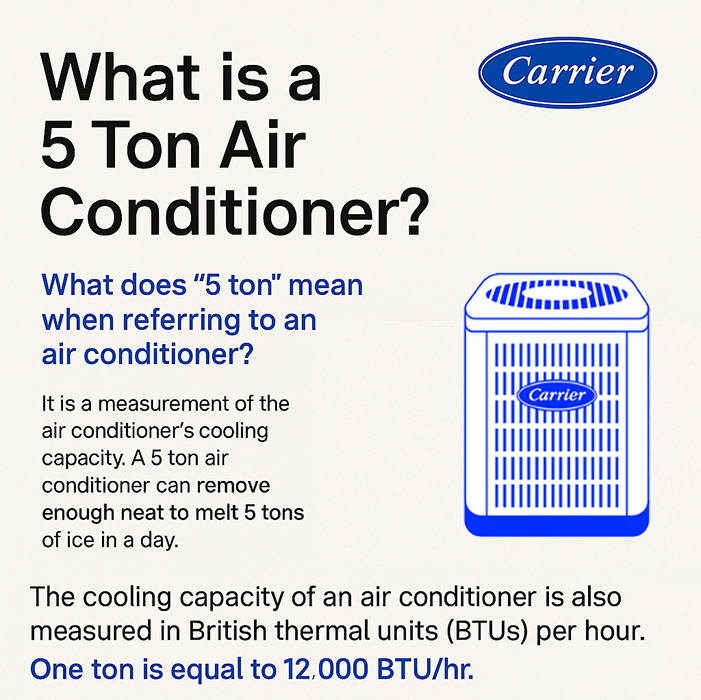
If you’ve ever shopped for an air conditioner, you might have come across the term “ton” and wondered what it really means. Understanding this simple word can save you from choosing the wrong AC size for your home or office.
What does a “ton” mean when it comes to air conditioners? And why does it matter for your comfort and energy bills? Keep reading, because by the end of this article, you’ll know exactly how to pick the right air conditioner that fits your space perfectly—and keeps you cool without wasting money.
Credit: www.lennox.com
Ton In Air Conditioning
The term “ton” is often used to describe air conditioner size. It helps people understand how much cooling power the unit has. This measurement is common in the HVAC industry.
Knowing what a ton means can help you pick the right air conditioner for your space. It is not about weight but about cooling capacity.
Origin Of Ton Measurement
The word “ton” in air conditioning comes from the amount of heat needed to melt one ton of ice in 24 hours. This was an old way to measure cooling power before modern units were used.
- One ton means melting 2,000 pounds of ice in 24 hours.
- This process absorbs a large amount of heat, showing cooling power.
- The term stuck as a way to describe air conditioner size.
Ton Vs Cooling Capacity
A ton in air conditioning equals 12,000 British Thermal Units (BTUs) per hour. BTU measures how much heat an air conditioner can remove from a room each hour.
| Measurement | Value | Meaning |
|---|---|---|
| 1 Ton | 12,000 BTU/hr | Heat removed per hour |
| Cooling Power | BTU/hr or Tons | Unit size and strength |
| Example | 3 Ton AC | 36,000 BTU/hr cooling |
How Ton Affects Cooling
The term “ton” in air conditioners shows how much cooling power the unit has. It is important to know this when picking an air conditioner.
The size of the ton affects how fast and well the air conditioner cools a room. A bigger ton means more cooling power.
Btu And Ton Relationship
BTU stands for British Thermal Unit. It measures the amount of heat an air conditioner can remove in one hour.
One ton equals 12,000 BTUs per hour. This means a 1-ton AC can remove 12,000 BTUs of heat every hour.
- 0.5 ton = 6,000 BTUs
- 1 ton = 12,000 BTUs
- 1.5 ton = 18,000 BTUs
- 2 ton = 24,000 BTUs
Impact On Room Size
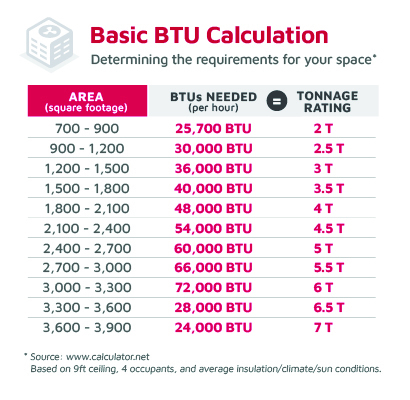
The ton size you choose depends on the room size. Bigger rooms need higher tons to cool properly.
If the air conditioner is too small, it will run all the time but not cool well. Too big AC cools fast but wastes energy.
- Up to 300 sq. ft.: 0.75 to 1 ton
- 300 to 500 sq. ft.: 1.5 ton
- 500 to 800 sq. ft.: 2 ton
- 800 to 1,200 sq. ft.: 2.5 to 3 ton
Choosing The Right Ton
Choosing the right ton size for your air conditioner is important. The ton size tells you how much cooling the unit can do.
If the ton size is too small, the room will not cool well. If it is too big, you will waste energy and money.
Factors Influencing Ton Size
Many things affect the right ton size for your AC. The size of your home is one of the main factors.
Other factors include the number of windows, insulation, and how much sunlight the room gets.
- Square footage of the space
- Number of windows and doors
- Insulation quality
- Sun exposure and climate
- Number of people usually in the room
Common Ton Sizes For Homes
Homes usually need air conditioners that range from 1 to 5 tons. Small rooms need smaller tons, large homes need bigger ones.
| Home Size (Square Feet) | Recommended Ton Size |
|---|---|
| Up to 600 sq ft | 1 Ton |
| 600 to 1,200 sq ft | 1.5 to 2 Tons |
| 1,200 to 2,000 sq ft | 2.5 to 3 Tons |
| 2,000 to 3,000 sq ft | 3.5 to 4 Tons |
| More than 3,000 sq ft | 4.5 to 5+ Tons |
Energy Efficiency Considerations
Energy efficiency helps save money on bills. Choose an AC with the right ton size and a good efficiency rating.
Too large or too small units use more energy. Look for units with high SEER ratings for better efficiency.
- Right ton size reduces energy waste
- High SEER ratings mean better efficiency
- Proper installation improves performance
- Regular maintenance keeps efficiency high

Credit: www.tataneu.com
Installation And Maintenance
Understanding what a ton means for air conditioners helps with installation and upkeep. A ton refers to the cooling power of the unit. It affects how well your space cools down.
Proper installation and regular maintenance keep your air conditioner running smoothly. This saves energy and extends the life of the system.
Proper Sizing For Installation
Choosing the right tonnage is key for air conditioners. Too small a unit will not cool well. Too large a unit wastes energy and cycles on and off too much.
| Tonnage | Square Footage Covered | Common Use |
|---|---|---|
| 1 Ton | 400 to 600 sq ft | Small rooms or apartments |
| 2 Tons | 900 to 1,200 sq ft | Medium-sized rooms or small homes |
| 3 Tons | 1,200 to 1,800 sq ft | Larger rooms and average homes |
| 4 Tons | 1,800 to 2,400 sq ft | Large homes or open spaces |
Check the size before installation to match the space. A professional can do a load calculation to find the perfect tonnage.
Maintenance Tips For Efficiency
Keep your air conditioner working well by following simple maintenance steps. These steps help the unit cool your space efficiently.
- Clean or replace air filters every 1-3 months
- Clear debris around outdoor units
- Check and clean evaporator and condenser coils
- Ensure proper refrigerant levels
- Schedule annual professional inspections
These tasks reduce strain on your system. They also lower energy bills and prevent breakdowns.
Myths About Tons In Ac
The word “ton” in air conditioners often confuses many people. It does not mean the weight of the AC unit. Instead, it measures the cooling capacity of the system.
Many myths exist around tons in ACs. Some think a bigger ton means better cooling always. Others worry about sizing the unit properly. Let’s clear up these misunderstandings.
More Tons Means Better Cooling?
People often believe that bigger tons always cool better. This is not true. A larger AC may cool faster but can waste energy. It may also cause humidity problems indoors.
- Large ACs turn on and off quickly, causing wear and tear.
- They use more electricity, raising your energy bills.
- Too much cooling removes moisture, making the air dry and uncomfortable.
- A properly sized unit cools evenly and saves energy.
Oversizing And Undersizing Effects
Choosing the right ton size is key. Both oversizing and undersizing have downsides. Oversized units waste power and short-cycle. Undersized units run too long and cannot cool well.
| Effect | Oversized Unit | Undersized Unit |
| Energy Use | High | High |
| Cooling Comfort | Uneven, dry air | Not cool enough |
| Wear and Tear | Increased | Increased |
| Humidity Control | Poor | Poor |
| Cost | Higher upfront | Possible early replacement |

Credit: www.bryant.com
Frequently Asked Questions
What Does A Ton Mean In Air Conditioning?
A ton in air conditioning means the cooling capacity to melt one ton of ice in 24 hours. It equals 12,000 BTUs per hour. This measurement helps determine the size and power of an AC unit.
How Is Ac Tonnage Related To Cooling Capacity?
AC tonnage directly indicates the cooling capacity of the unit. Higher tons mean more cooling power. It helps choose the right AC size for your room or home.
Why Is Choosing The Right Ac Ton Important?
Choosing the correct tonnage ensures efficient cooling and energy use. An oversized unit wastes energy, while an undersized unit cools poorly. Proper tonnage balances comfort and cost.
Can I Use A 1-ton Ac For A Large Room?
A 1-ton AC may struggle to cool a large room effectively. Larger spaces typically need 2 tons or more for proper cooling. Room size and insulation affect the required tonnage.
Conclusion
Understanding the “ton” in air conditioners is crucial. It refers to cooling power. One ton equals 12,000 BTUs per hour. This measurement helps in choosing the right AC unit. A suitable tonnage ensures comfort and efficiency. Too much or too little tonnage can lead to problems.
Energy bills may rise. Or, rooms might not cool properly. Always consult a professional for guidance. They can recommend the best unit for your space. This ensures optimal performance and cost savings. Proper knowledge leads to better decisions. Enjoy a comfortable and cool home environment.