Have you ever wondered what really makes your car run smoothly and efficiently? One key component that plays a crucial role in your vehicle’s performance is the vacuum advance.
But what does vacuum advance do, and why should you care? Picture this: smoother rides, improved fuel efficiency, and reduced emissions. Sounds appealing, right? By understanding how vacuum advance works, you can unlock the full potential of your car’s engine.
Imagine driving with confidence, knowing your engine is running at its best. Intrigued? Let’s dive in and uncover the secrets behind this essential component, so you can ensure your vehicle is always in top shape. Keep reading to learn how a simple adjustment can make a significant difference in your driving experience!
Credit: www.vintage-mustang.com
Vacuum Advance Basics
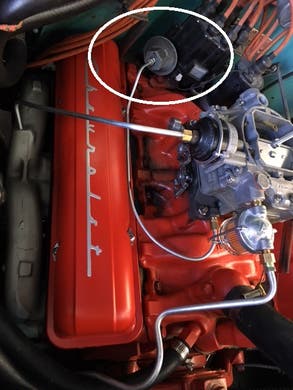
The vacuum advance is a small but important part of a car’s ignition system. It helps adjust the timing of the spark inside the engine. This adjustment improves fuel efficiency and engine performance. Understanding the basics of vacuum advance helps you see why it matters for your vehicle.
Role In Ignition Timing
Vacuum advance changes the timing of the spark based on engine load. When the engine is running light, it advances the spark earlier. This means the spark fires sooner in the compression stroke. Early spark timing helps burn fuel more completely. It improves fuel economy and reduces emissions.
Under heavy load, vacuum advance reduces its effect. The timing returns closer to the base setting. This prevents knocking and protects the engine. The vacuum advance works with other timing controls to keep the engine running smoothly.
How It Works
The vacuum advance uses engine vacuum to adjust timing. A small diaphragm inside the distributor moves with vacuum changes. When vacuum is high, the diaphragm pulls and rotates the distributor plate. This changes the position of the spark relative to the piston.
Engine vacuum is high during cruising or light throttle. This causes the spark to advance. When you press the gas pedal hard, vacuum drops. The diaphragm moves back, and the spark timing retards. This simple mechanism helps the engine run efficiently in different conditions.
Credit: forum.ih8mud.com
Impact On Engine Performance
The vacuum advance plays a key role in how an engine performs. It adjusts the timing of the spark to match engine load and speed. This helps the engine run smoother and more efficiently. The impact on engine performance is clear in areas like power output and fuel use.
Improving Power Output
Vacuum advance improves power by adjusting spark timing for better combustion. It advances the spark when the engine runs at light load or cruising speed. This allows the fuel-air mix to burn more completely, producing more power. The result is smoother acceleration and better response from the engine.
Enhancing Fuel Efficiency
The vacuum advance helps save fuel by optimizing ignition timing. It reduces the chance of the engine knocking or wasting fuel. By firing the spark at the right time, the engine uses fuel more effectively. This means you get more miles from every gallon of fuel.
Types Of Vacuum Advance Systems
Understanding the different types of vacuum advance systems can help you make smarter choices for your engine’s performance. These systems adjust ignition timing based on engine load and speed, improving efficiency and power. Knowing how each system works allows you to fine-tune your vehicle for better fuel economy or increased power output.
Mechanical Vs. Vacuum Advance
Mechanical advance adjusts ignition timing using centrifugal force, depending on engine RPM. It uses weights and springs inside the distributor to change timing as the engine speed changes. This system is simple but doesn’t respond well to changes in engine load.
Vacuum advance, on the other hand, uses engine vacuum to adjust timing based on how much load the engine is under. When you ease off the throttle, engine vacuum increases, advancing the timing for better fuel efficiency. This makes vacuum advance more responsive to real driving conditions compared to mechanical advance.
Have you noticed your engine runs smoother or gets better mileage when cruising? That’s often the vacuum advance doing its job by optimizing timing according to load, not just speed.
Common Designs
Vacuum advance systems come in a few popular designs, each suited for different applications:
- Ported Vacuum Advance:This design connects to a ported vacuum source that only provides vacuum above idle speed. It prevents timing advance at idle, improving idle quality.
- Manifold Vacuum Advance:This system connects directly to the intake manifold vacuum, which is high at idle and low at wide-open throttle. It offers more advance during idle and light throttle conditions.
- Dual Vacuum Advance:Some distributors combine both ported and manifold vacuum sources to fine-tune timing more precisely across different engine loads.
Choosing the right vacuum advance design depends on your engine setup and how you want it to perform. If you want smoother idling and better part-throttle response, ported vacuum might be better. For more aggressive timing advance at idle, manifold vacuum could fit your needs.
What kind of driving experience are you aiming for? Your choice of vacuum advance system can make a noticeable difference in how your engine responds under various conditions.
Diagnosing Vacuum Advance Issues
Diagnosing vacuum advance issues is key to keeping your engine running smoothly. The vacuum advance helps improve engine timing based on airflow. If it fails, the engine may lose power or run roughly. Finding the problem early can save time and money on repairs.
Symptoms Of Failure
- Engine runs rough or stalls at idle
- Poor acceleration or lack of power
- Increased fuel consumption
- Engine knocking or pinging sounds
- Check engine light may turn on
- Hard starting in cold weather
Testing Methods
Start by visually inspecting the vacuum advance unit and hose. Look for cracks, leaks, or disconnections. Use a hand-held vacuum pump to apply vacuum to the advance unit.
- Apply vacuum and watch the distributor plate move
- If plate does not move, the unit may be faulty
- Check vacuum hose for leaks using soapy water
- Use a timing light to check ignition timing changes
- Inspect the vacuum source on the carburetor or intake manifold
These tests help identify if the vacuum advance works properly or needs replacement.
Upgrading And Tuning Vacuum Advance
Upgrading and tuning your vacuum advance can improve engine performance and fuel efficiency. The vacuum advance adjusts ignition timing based on engine load and speed. A well-tuned vacuum advance helps your engine run smoothly under different driving conditions.
Changing the vacuum advance unit or adjusting its curve lets you customize timing for your engine’s needs. This tuning can reduce engine knock and increase power. Proper setup ensures better throttle response and smoother acceleration.
Choosing The Right Advance Curve
Selecting the correct advance curve is crucial for optimal engine timing. The curve determines how much and when the timing advances during engine operation. Match the curve to your engine’s camshaft and driving style.
- Stock engines usually benefit from mild advance curves.
- Performance engines may need aggressive curves for more power.
- Consider your engine’s vacuum signal source for compatibility.
- Consult engine specs or a tuner for recommended advance rates.
The right curve balances power, fuel economy, and emissions. Avoid too much advance, as it can cause knocking or overheating.
Installation Tips
Proper installation ensures the vacuum advance works effectively. Check the vacuum line for leaks and damage before connecting. Use a clean, tight connection to the carburetor or intake manifold vacuum port.
- Mount the vacuum advance unit securely to prevent movement.
- Rotate the distributor shaft fully to the initial timing position before attaching the vacuum advance.
- Test the vacuum advance by applying vacuum and watching the timing change.
- Adjust the distributor base timing after installation for best results.
Keep vacuum hoses short and avoid sharp bends to maintain proper vacuum signal. Regularly inspect the vacuum advance for wear and replace if needed.

Credit: www.youtube.com
Vacuum Advance In Modern Engines
Vacuum advance remains a key player in how modern engines optimize performance and fuel efficiency. Although technology has shifted towards electronic systems, the principle behind vacuum advance still influences how your engine manages ignition timing. Understanding its role helps you grasp why your vehicle runs smoothly under different driving conditions.
Relevance With Electronic Ignition
Electronic ignition systems have largely replaced mechanical distributors, but vacuum advance hasn’t disappeared. Instead, its function is often integrated into electronic control units (ECUs) to fine-tune ignition timing dynamically.
This means your engine can adjust timing based on real-time data like throttle position and engine load, mimicking what a vacuum advance did mechanically. If you’ve ever noticed improved fuel economy or smoother acceleration, this adaptive timing is a big reason why.
Think about how your car behaves on a highway versus city traffic. Electronic ignition with vacuum advance principles helps deliver the right spark timing to match these different demands, improving overall efficiency and reducing emissions.
Future Trends
The future of vacuum advance lies in even smarter engine management systems. Automakers are designing ECUs that use advanced sensors and algorithms to predict engine needs before they happen.
Hybrid and electric vehicles may shift the focus away from traditional ignition timing, but for combustion engines, vacuum advance concepts will continue to evolve. Imagine a system that learns your driving habits and automatically adjusts timing for the best balance between power and economy.
Are you ready for an engine that not only responds to conditions but anticipates them? This could redefine how you experience driving in the years ahead.
Frequently Asked Questions
What Is The Purpose Of Vacuum Advance In Ignition?
Vacuum advance improves engine efficiency by adjusting ignition timing. It advances spark timing during light load, enhancing fuel economy and throttle response.
How Does Vacuum Advance Affect Engine Performance?
Vacuum advance optimizes spark timing based on engine load. It boosts low RPM torque, reduces emissions, and improves overall drivability and fuel efficiency.
When Should Vacuum Advance Be Checked Or Replaced?
Check vacuum advance if experiencing poor acceleration or rough idle. Replace it if the diaphragm leaks or the timing does not advance under vacuum.
Can Vacuum Advance Cause Engine Knocking?
Proper vacuum advance reduces knocking by advancing timing at light loads. Malfunctioning units can cause timing issues, potentially leading to knock or ping.
Conclusion
Vacuum advance helps your engine run smoother and save fuel. It changes timing based on engine load and speed. This keeps your car efficient and responsive. Understanding how it works can help you spot engine problems early. It also shows why proper maintenance matters for good performance.
Keeping the vacuum advance in good shape protects your engine’s health. Simple but important for everyday driving.