Have you ever come across the term “vacuum to waste” and wondered what it actually means? This phrase might sound like something out of a sci-fi novel, but it’s an important concept, especially if you own a swimming pool or work in pool maintenance.
Understanding “vacuum to waste” can save you time, money, and a whole lot of frustration. Imagine having the ability to effortlessly clean your pool, ensuring it remains sparkling and inviting. By the end of this article, you’ll know exactly what “vacuum to waste” means and how it can transform your pool maintenance routine.
Dive in to discover how this simple yet powerful technique can make your life easier and your pool cleaner.
Vacuum To Waste Basics
Understanding the basics of vacuum to waste can change how you manage fluid disposal in various settings. This system simplifies the removal of unwanted liquids by using vacuum pressure to move waste efficiently. Knowing its core idea and where it’s commonly used can help you decide if it fits your needs.
Core Concept
Vacuum to waste uses a vacuum pump or system to create low pressure, which pulls waste liquids through pipes or hoses. Instead of relying on gravity, it actively moves fluids from one place to another. This method helps avoid spills, reduces odors, and keeps the environment cleaner.
Imagine you need to empty a tank quickly without lifting or tilting it. Vacuum to waste allows you to do that smoothly by sucking the liquid out. It’s especially useful when dealing with hazardous or unpleasant waste that you want to handle safely.
Common Applications
You’ll find vacuum to waste systems in many industries and daily situations. Hospitals use it to dispose of medical fluids safely. Laboratories rely on it to remove chemical waste without exposure risks.
- Car repair shops use vacuum to waste for draining oil and other fluids from vehicles.
- Food processing plants apply it to handle liquid byproducts efficiently.
- Residential septic systems sometimes incorporate vacuum to waste for better sewage management.
Have you ever struggled with slow or messy drainage? Vacuum to waste offers a cleaner and faster alternative you might want to consider. It’s a smart solution that keeps your workspace hygienic and operations smooth.

Credit: www.youtube.com
How Vacuum To Waste Systems Work
Understanding how vacuum to waste systems work can help you appreciate their efficiency and convenience. These systems simplify waste management by using suction to transport waste away quickly and cleanly. Let’s break down the main parts and the flow of the process so you can see exactly what happens behind the scenes.
Key Components
- Vacuum Pump:This is the heart of the system. It creates the suction needed to move waste through the pipes.
- Waste Collection Unit:Where all the waste is gathered before disposal or treatment.
- Piping Network:A series of sealed pipes that carry waste from its source to the collection unit using vacuum pressure.
- Control Panel:Manages the system’s operation, ensuring suction levels stay consistent and the system runs smoothly.
- Filters and Traps:These prevent debris or liquids from damaging the pump or clogging the pipes.
Process Flow
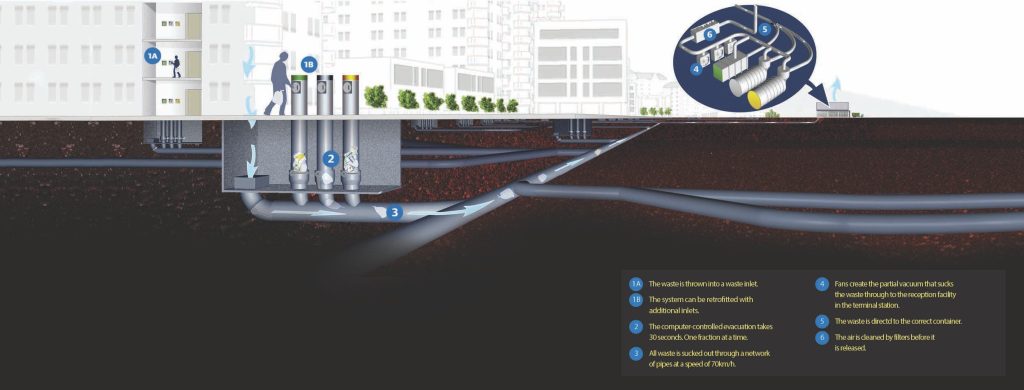
The process starts when waste is deposited into a vacuum inlet, usually located in kitchens, bathrooms, or designated waste points. Once the waste is introduced, the vacuum pump activates and creates a strong suction force.
This suction pulls the waste through the piping network at high speed. The sealed pipes prevent odors and leaks, keeping your environment clean and hygienic.
Waste reaches the collection unit, where it’s stored or prepared for further processing. The system then resets, ready for the next cycle.
Think about how much easier cleaning up would be if your waste disappeared as soon as you threw it away. Would you consider installing a vacuum to waste system after seeing how smoothly the process flows?
Advantages Of Vacuum To Waste
Understanding the advantages of vacuum to waste systems helps you see why many industries and facilities choose this method. It’s more than just a waste disposal technique—it’s a smart approach that can improve how you manage waste daily. Let’s look at the key benefits you can expect from using vacuum to waste technology.
Efficiency Benefits
Vacuum to waste systems speed up the waste removal process significantly. Instead of relying on manual collection or slower gravity-fed methods, waste is sucked through pipes directly to a central collection point.
This means less waiting time and fewer disruptions in busy areas. Imagine how much smoother your facility’s operations could run if waste disposal became almost invisible to your daily routine.
Additionally, these systems reduce the need for frequent waste handling, cutting down labor costs and minimizing chances of spills or contamination.
Environmental Impact
Vacuum to waste technology often lowers the risk of leaks and spills during waste transport. This containment helps keep harmful materials from reaching soil or water sources.
Moreover, the system’s sealed pipes limit odors and reduce pests, making your environment cleaner and safer for everyone around.
Think about how much less waste you’d send to landfills by improving your waste sorting and collection efficiency with vacuum to waste. It’s a step toward a greener operation that benefits your community and the planet.

Credit: medium.com
Types Of Vacuum To Waste Systems
Understanding the different types of vacuum to waste systems can help you choose the right setup for your needs. These systems vary mainly in how they collect and manage waste. Knowing the differences will give you a clearer idea of what fits best in your space and budget.
Centralized Systems
Centralized vacuum to waste systems collect waste from multiple points and send it to a single, central collection unit. This setup is common in larger buildings like hospitals, hotels, or shopping centers. It reduces the need for frequent waste pickups by consolidating all waste in one place.
One advantage is easier maintenance since everything funnels to one location. However, installation can be more complex and costly upfront due to extensive piping. Have you ever thought about how much time you could save if waste disposal was handled centrally?
Decentralized Systems
Decentralized systems manage waste collection locally at each point or zone, rather than sending everything to a single unit. These systems suit smaller buildings or areas where central piping isn’t practical. They allow for quicker installation and can be more flexible in use.
Maintenance is spread out, so issues might be isolated and easier to fix without affecting the whole system. Yet, you might face more frequent waste removal since waste bins aren’t consolidated. How would having local control over waste collection impact your daily operations?
Installation And Maintenance Tips
Proper installation and maintenance are essential for vacuum to waste systems. These tips help ensure safe and efficient operation. Following simple guidelines can prevent damage and extend the system’s life.
Setup Considerations
Choose a suitable location for the vacuum to waste system. It should be close to the waste outlet and easy to access. Check that all connections are tight and leak-free. Use materials recommended by the manufacturer to avoid corrosion or damage. Test the system before regular use to confirm proper suction and drainage. Ensure electrical components are installed by a qualified professional. Proper ventilation around the system prevents overheating and ensures safety.
Routine Care
Regular cleaning prevents blockages and maintains strong suction. Clear debris from filters and traps frequently. Inspect hoses for cracks or leaks every few months. Replace worn parts promptly to avoid breakdowns. Schedule professional inspections annually to detect hidden issues. Keep the area around the system clean and dry. Avoid flushing inappropriate materials that can clog the system. Monitoring performance helps catch problems early and saves repair costs.

Credit: medium.com
Common Challenges And Solutions
Understanding the common challenges in vacuum to waste systems can save you from costly downtime and frustration. These systems, while efficient, often face issues that disrupt smooth operation. Recognizing these challenges early and knowing how to solve them can keep your process flowing without interruptions.
Troubleshooting Issues
One frequent issue is clogging in the vacuum lines. This can cause pressure drops and reduce efficiency. Check for blockages regularly and clear any debris immediately to maintain proper flow.
Another problem is leaks in the system, which can lead to loss of suction power. Inspect seals and joints often, and replace worn-out parts promptly to prevent leaks.
Electrical faults in the vacuum pump are also common. If your pump isn’t running correctly, verify the power supply and connections first. Sometimes, resetting the system can fix minor glitches.
Preventive Measures
Regular maintenance is your best defense against unexpected problems. Set a schedule for cleaning filters and inspecting all components to catch wear early.
Use high-quality materials designed for vacuum to waste systems. This reduces the chances of corrosion and damage over time.
Training your team on proper operation techniques can minimize user errors. Have clear guidelines on what should and shouldn’t go into the system to avoid contamination.
Have you ever ignored small warning signs only to face a bigger breakdown later? Taking time to prevent issues can save you significant stress and expenses down the line.
Future Trends In Vacuum To Waste
Looking ahead, the vacuum to waste system is set to evolve in ways that could change how you manage waste daily. The focus is shifting towards smarter, greener solutions that not only improve efficiency but also reduce environmental impact. Understanding these future trends can help you stay ahead in adopting technology that benefits both your space and the planet.
Technological Advances
Vacuum to waste systems are becoming smarter with the integration of sensors and automation. These technologies allow the system to detect waste levels and optimize suction power, saving energy and reducing wear and tear.
Imagine a system that alerts you when bins are full or schedules waste collection automatically. This minimizes overflow issues and keeps your environment cleaner without constant manual checks.
Another exciting development is the use of IoT connectivity, which lets you monitor and control waste systems remotely. Have you considered how real-time data could improve your waste management routine?
Sustainability Focus
Sustainability is driving changes in vacuum to waste design and operation. New materials and energy-efficient components reduce the carbon footprint of these systems.
Many systems now support waste sorting at the source, helping you separate recyclables and compostables effortlessly. This makes your waste disposal more eco-friendly and compliant with increasing regulations.
Plus, vacuum to waste setups are being designed to work with renewable energy sources. Could your next upgrade be powered by solar or wind, cutting down your utility costs while helping the environment?
Frequently Asked Questions
What Does Vacuum To Waste Mean In Plumbing?
Vacuum to waste means diverting initial water flow away from the system. It prevents impurities from entering the plumbing. This technique improves water quality and protects appliances. It is commonly used in water purification and filtration systems.
Why Is Vacuum To Waste Important In Water Systems?
Vacuum to waste ensures the removal of contaminants during system startup. It prevents damage and extends equipment lifespan. This process maintains clean water flow and improves overall system efficiency. It is a key step in safeguarding water quality.
How Does Vacuum To Waste Work In Filtration?
Vacuum to waste uses suction to discard initial contaminated water. It flushes out impurities before filtered water reaches the user. This process enhances the purity and safety of the water supply. It is essential for effective filtration performance.
When Should Vacuum To Waste Be Applied?
Vacuum to waste should be applied during system startup or filter changes. It removes dirt, air, and debris from the lines. This practice ensures clean, safe water immediately after maintenance or installation. Regular use maintains system hygiene.
Conclusion
Vacuum to waste means removing unwanted liquids or debris safely. It helps keep areas clean and prevents damage. This method is common in labs, hospitals, and industries. Understanding this term makes equipment use easier. Knowing how it works can improve safety and efficiency.
Always follow proper steps for best results. Simple, clear, and safe—vacuum to waste is useful.