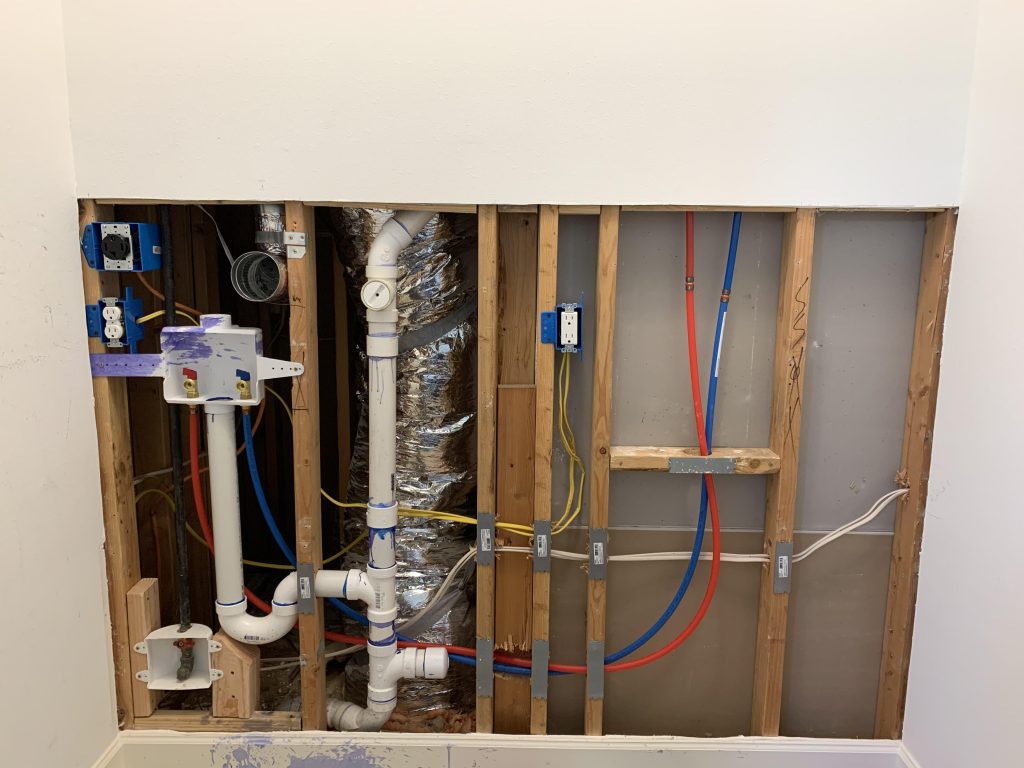
Have you ever wondered what washer and dryer connections really mean? If you’re planning to set up a laundry space or move into a new home, understanding these connections is key.
Knowing the basics can save you time, money, and frustration. You’ll discover exactly what washer and dryer connections are, why they matter, and how to make sure yours are set up correctly. Keep reading—you’ll feel confident about handling your laundry setup like a pro.

Credit: www.reddit.com
Washer And Dryer Connection Types
Washer and dryer connections are the points where these machines connect to water, power, and drainage. Knowing the types helps you install them correctly.
Each connection type has specific needs. This guide explains the main connection types for washers and dryers.
Water Supply Connections
Washers need water supply lines to fill the drum. These lines usually connect to hot and cold water taps.
Connections use flexible hoses with threaded fittings. The standard size is 3/4 inch for most homes.
- Use braided stainless steel hoses for durability
- Connect hot water line for warm wash cycles
- Cold water line supplies cold water cycles
- Check for leaks after installation
Electrical Connections
Washers and dryers need power to run. Washers usually use a standard 120-volt outlet.
Dryers may need a 240-volt outlet if they are electric. Gas dryers use 120 volts for controls but need a gas line too.
- Washers plug into a grounded 120V outlet
- Electric dryers need a 240V outlet with proper wiring
- Gas dryers require a gas hookup plus 120V power
- Always use a dedicated circuit for safety
Drainage Setup
Washers must drain used water properly. They connect to a drain pipe or laundry tub.
The drain hose fits into a standpipe or sink. It must be secure to prevent leaks or flooding.
- Use a standpipe at least 18 inches high
- Secure the drain hose with a clamp or zip tie
- Check local codes for drain size and height
- Keep the drain clear to avoid blockages
Ventilation Requirements
Dryers need proper ventilation to remove hot air and moisture. This keeps the dryer efficient and safe.
Vent pipes usually lead outside. They must be clean and free of obstructions for good airflow.
- Use rigid or semi-rigid metal ducting
- Keep vent pipes as short and straight as possible
- Clean lint traps and vents regularly
- Avoid plastic ducts, which can cause fires

Credit: www.reddit.com
Tools And Materials Needed
Washer and dryer connections require specific tools and materials. Using the right equipment helps ensure a safe and effective installation.
Below are the essential tools and gear needed for plumbing and electrical work on washer and dryer hookups.
Basic Plumbing Tools
Plumbing tools help you connect water lines and drains properly. These tools make the installation easier and prevent leaks.
- Adjustable wrench for tightening fittings
- Pipe cutter to cut water pipes to size
- Plumber’s tape to seal threaded connections
- Basin wrench for hard-to-reach nuts
- Channel lock pliers for gripping pipes
- Bucket to catch water during work
- Pipe thread sealant for watertight joints
Electrical Equipment
Electrical tools are needed for connecting the dryer to power safely. Proper equipment reduces risk of shocks or fire.
| Tool | Purpose |
| Voltage tester | Check if power is off before work |
| Wire stripper | Remove insulation from electrical wires |
| Screwdriver set | Tighten terminal screws and outlet covers |
| Wire nuts | Secure wire connections |
| Cordless drill | Fasten electrical boxes or brackets |
Safety Gear
Safety gear protects you during plumbing and electrical work. Always wear the right gear to avoid injuries.
- Safety goggles to protect your eyes from debris
- Work gloves to guard against cuts and scrapes
- Dust mask to avoid inhaling particles
- Non-slip shoes for steady footing
- Ear protection if using loud power tools
Preparing The Installation Area
Setting up washer and dryer connections requires a well-prepared space. Proper preparation helps the appliances work safely and efficiently.
Before installation, check the area thoroughly. This ensures the setup fits and connects properly to utilities.
Measuring Space
Measure the width, depth, and height of the area where you want to place the washer and dryer. Make sure there is enough room for the doors to open fully.
- Measure the space between walls or cabinets
- Allow extra room for hoses and vents
- Consider space for moving and maintenance
Checking Existing Utilities
Identify the water supply, drain, and electrical outlets in the installation area. These must meet the washer and dryer’s requirements.
| Utility | Required Connection |
| Water Supply | Hot and cold water valves |
| Drain | Proper drain pipe or standpipe |
| Electric | 120V outlet for washer, 240V for dryer (if electric) |
| Gas | Gas line for gas dryer (if applicable) |
Clearing The Area
Remove any obstacles from the space. Clear floor debris and objects that may block access to utilities.
- Clear the floor and walls around the area
- Move furniture or boxes away
- Make sure there is good lighting for installation

Credit: www.reddit.com
Connecting The Washer
Connecting a washer is an important part of setting up your laundry space. You must connect water, drain, and make sure the machine is stable. This guide explains how to connect your washer safely and correctly.
Proper connections help the washer work well and prevent leaks or damage. Follow these steps to hook up your washer with ease.
Hooking Up Water Lines
Water lines bring cold and hot water to your washer. You need to connect these lines to the right valves on your machine. Use new hoses to avoid leaks or bursts.
Make sure to tighten the connections with a wrench but do not over-tighten. Check for leaks by turning on the water after connecting.
- Use separate hoses for hot and cold water
- Connect hot water hose to the red or marked valve
- Connect cold water hose to the blue or unmarked valve
- Check hoses for cracks or damage before use
- Tighten connections with pliers gently
Securing The Drain Hose
The drain hose removes water from the washer during cycles. It must be placed correctly to avoid water spills. Attach it firmly to the drain pipe or laundry tub.
Use a hose clamp if needed to keep the hose secure. Make sure the hose end is not submerged in water to stop backflow.
- Insert the drain hose into the drain pipe or standpipe
- Use a clamp or zip tie to hold the hose in place
- Ensure the hose end is above the water level
- Check that the hose is not kinked or bent
Leveling The Washer
Leveling the washer keeps it stable and reduces noise. Uneven washers can shake or move during use. Adjust the washer feet until the machine sits flat on the floor.
Use a level tool across the top of the washer. Turn the feet clockwise or counterclockwise to raise or lower them. Lock the feet in place after adjustment.
- Place a level on the washer top front to back
- Adjust front feet until level is balanced
- Check side to side with the level
- Adjust rear feet for side to side balance
- Tighten locking nuts on the feet
Setting Up The Dryer
Setting up your dryer correctly ensures it works safely and efficiently. This guide covers the main steps to connect your dryer.
Focus on the electrical hookup, vent hose, and proper positioning for best results.
Electrical Hookup Options
Dryers need power to run. Most electric dryers use either a 240-volt or 120-volt outlet. Gas dryers require a standard 120-volt outlet for the controls.
Check your dryer’s power needs before plugging it in. Using the wrong outlet can cause damage or safety risks.
- Electric dryers usually need a 240-volt outlet.
- Gas dryers use a 120-volt outlet plus a gas connection.
- Use a dedicated circuit for your dryer to prevent overloads.
Attaching The Vent Hose
The vent hose removes hot, moist air from the dryer to the outside. Proper venting prevents fire hazards and helps the dryer work well.
Use a rigid or semi-rigid metal vent hose for safety. Avoid plastic or foil hoses as they can catch fire easily.
- Connect the vent hose securely to the dryer exhaust.
- Attach the other end to the wall vent pipe.
- Use metal clamps to hold the hose in place.
- Keep the hose straight to improve airflow.
Positioning And Leveling
Place the dryer near the washer and close to the vent outlet. Make sure there is enough space for the vent hose and power cord.
Leveling the dryer prevents noise and wear. Use a spirit level and adjust the feet until the dryer is stable.
- Keep at least 5 inches of space behind the dryer.
- Adjust all four feet to touch the floor evenly.
- Check the dryer is steady by giving it a gentle push.
Common Installation Mistakes
Setting up a washer and dryer at home needs careful attention. Many people make mistakes that can lead to problems. Understanding these common errors can help you avoid trouble.
These mistakes often involve water, electricity, and ventilation. Proper installation is important for safety and efficiency.
Improper Water Connections
Water connections must be secure and tight. Loose connections can cause leaks. Leaks can damage your home and increase water bills.
Ensure hoses are connected to the right taps. Hot and cold water should not be mixed up. Double-check connections after installation.
- Use proper washers to prevent leaks
- Check connections regularly for wear
- Replace old hoses to avoid bursts
Incorrect Electrical Setup
Electrical setup is crucial for washers and dryers. Plugging into the wrong outlet can cause problems. It may lead to power failures or even fires.
Make sure the outlet matches the appliance’s power needs. Always use grounded outlets. Do not overload circuits with multiple devices.
- Check the voltage requirement of appliances
- Hire an electrician for complex setups
- Inspect cords for damage before use
Ventilation Issues
Proper ventilation is essential for dryers. Without it, heat and moisture can build up. This can lead to mold and fire hazards.
Ensure vents are not blocked and air flows freely. Regularly clean lint from dryer vents to maintain efficiency. Install vents that lead outside, not into closed spaces.
- Use short, straight vent ducts
- Clean vents every six months
- Check for blockages regularly
Maintenance Tips For Connections
Washer and dryer connections need regular maintenance. This keeps them safe and efficient. Here are some tips to help you.
Learn how to check for leaks, clean vents, and inspect electrical cords. These tips can save you from costly repairs.
Checking For Leaks
Leaks can damage your laundry area. They also waste water. Regular checks can prevent these problems.
- Turn off the water supply.
- Inspect hoses for cracks or bulges.
- Ensure connections are tight.
Cleaning Vents
Clogged vents can cause fires. They also make dryers work harder. Clean your vents to keep them safe.
Use a vent brush to remove lint. Clean the vent at least once a year.
Inspecting Electrical Cords
Electrical cords should be in good condition. This ensures safety and efficiency. Regular checks are important.
| Inspection Task | Frequency |
| Check for frayed wires | Every 6 months |
| Ensure plug connections are secure | Monthly |
| Replace damaged cords | As needed |
Upgrading Or Moving Connections
Washer and dryer connections are the pipes and outlets that supply water and power to your machines. Upgrading or moving these connections helps improve appliance performance and fits new laundry room layouts.
Changing connections may involve adding water lines, upgrading electrical outlets, or relocating ventilation. Each task ensures your washer and dryer work safely and efficiently.
Adding New Water Lines
New water lines provide fresh water to your washing machine. You may need extra lines if you move the washer or add a second machine.
Installing water lines requires connecting pipes to your home’s water supply. Use durable materials like copper or PEX for long-lasting results.
- Shut off the main water supply before work
- Use flexible hoses to connect to the washer
- Check for leaks after installation
- Hire a plumber if unsure about the process
Upgrading Electrical Outlets
Dryers need special electrical outlets. Older outlets might not support new models. Upgrading outlets ensures your dryer gets enough power.
Electric upgrades include installing a 240-volt outlet for electric dryers or a standard 120-volt outlet for gas dryers. Proper wiring prevents fires and power issues.
- Check your dryer’s power requirements
- Use a licensed electrician for outlet upgrades
- Test the outlet with a voltage tester
- Replace damaged cords or plugs
Relocating Ventilation
Dryers need vents to remove hot air and moisture. Moving the vent helps fit your dryer in a new spot or improves airflow.
Vent relocation involves cutting new holes and installing vent pipes. Use rigid metal ducts for safety and better airflow.
- Plan the shortest vent path to the outside
- Seal all duct joints with foil tape
- Keep vents clear of obstructions
- Clean vents regularly to prevent fire risks
Frequently Asked Questions
What Are Washer And Dryer Connections?
Washer and dryer connections are plumbing and electrical setups. They supply water, drainage, and power to laundry appliances. Proper connections ensure safe and efficient operation of washers and dryers in homes.
Why Are Washer And Dryer Connections Important?
Connections provide water, drainage, and electricity needed for laundry machines. Without correct connections, appliances may leak, malfunction, or cause hazards. They ensure smooth, safe, and reliable laundry operations.
What Types Of Washer And Dryer Connections Exist?
Washers need hot and cold water lines and drainage pipes. Dryers require electrical outlets or gas lines depending on type. Ventilation is also essential for dryers to expel hot air.
Can I Install Washer And Dryer Connections Myself?
Basic connections may be DIY if you have plumbing and electrical skills. However, incorrect installation risks leaks, electrical hazards, or appliance damage. Hiring a professional is recommended for safety and compliance.
Conclusion
Washer and dryer connections help your machines work properly. They supply water, power, and drain for laundry tasks. Knowing these connections keeps your laundry safe and efficient. Always check for the right hookups before buying appliances. Proper setup saves time and avoids damage.
Simple steps make laundry easier every day. Understanding these basics helps you maintain your home better. It’s worth the effort to learn about them.