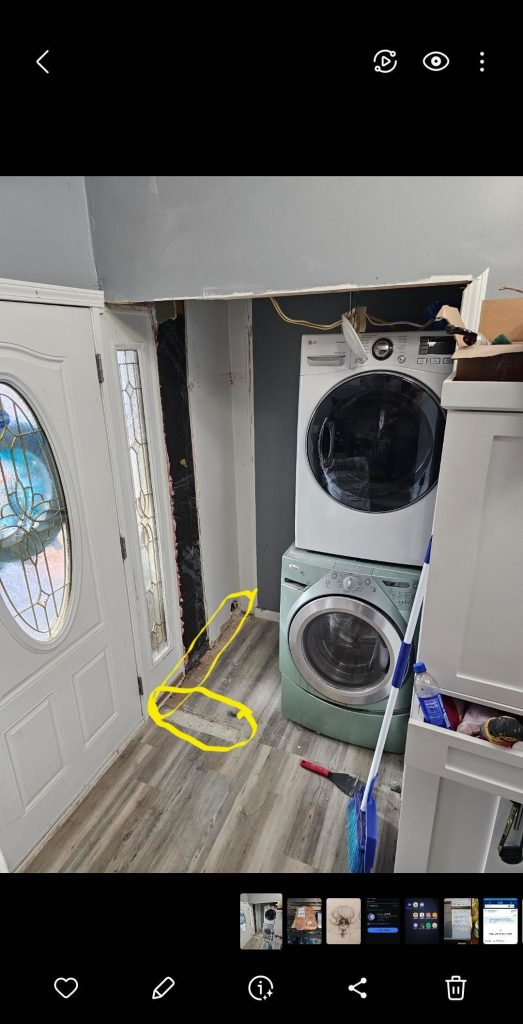
Are you setting up a new laundry space or moving into a place that mentions a washer and dryer hook up? You might be wondering what exactly that means and why it matters for your laundry routine.
Understanding this simple term can save you time, money, and frustration. Keep reading, and you’ll discover everything you need to know to make your laundry setup smooth and hassle-free.

Credit: www.reddit.com
Washer And Dryer Hook Up Basics
Washer and dryer hook up means the plumbing and electrical setup needed. It allows you to connect your laundry machines to water and power.
Knowing the basics helps you install or check if your laundry area is ready. It also helps when buying new machines or moving to a new home.
Definition Of Hook Up
A washer and dryer hook up is the place where machines connect to utilities. It includes water supply, drainage, and power sources.
The hook up makes sure your washer gets water and drains it safely. It also ensures the dryer has power and ventilation if needed.
Types Of Hook Ups
There are different hook ups for washers and dryers depending on the machine type. Each needs specific connections for water, power, and venting.
- Washer Hook Up:Hot and cold water lines, plus a drain pipe.
- Electric Dryer Hook Up:240-volt outlet and a vent for hot air.
- Gas Dryer Hook Up:Gas line, 120-volt outlet, and a vent.
- Stacked Units Hook Up:Combined water, power, and vent connections in a small space.

Credit: www.reddit.com
Essential Components
A washer and dryer hook up means having the right connections for your laundry machines. These connections include water, drainage, electricity, and ventilation. Each part is important for the machines to work well and safely.
Understanding these components helps you prepare your laundry area correctly. Let’s look at each essential part and what it requires.
Water Supply Connections
Washers need a water source to fill the drum during cycles. Typically, there are two connections: one for hot water and one for cold water. These come from pipes with valves you can open or close.
- Use standard ¾-inch hose connectors for each water line.
- Make sure valves are easy to reach for emergency shut-off.
- Check hoses regularly for leaks or damage.
Drainage Setup
The washer must drain used water properly to avoid flooding. A drain pipe or standpipe is needed near the washer to collect water. The drain height should be between 18 and 30 inches from the floor.
Some setups include a utility sink or a dedicated laundry drain. The drain hose fits securely into the drain pipe to prevent spills.
Electrical Requirements
Washers and dryers need the right power supply to run safely. Washers usually require a standard 120-volt outlet. Dryers need more power, often 240 volts for electric models or a gas line for gas dryers.
| Appliance | Voltage | Outlet Type |
| Washing Machine | 120V | Standard 3-prong or 4-prong outlet |
| Electric Dryer | 240V | 4-prong outlet (NEMA 14-30) |
| Gas Dryer | 120V | Standard outlet plus gas connection |
Ventilation For Dryers
Dryers need ventilation to remove hot air and moisture. A vent hose connects the dryer to an outside vent. This keeps the laundry area dry and prevents lint buildup inside the house.
- Use a metal or rigid vent hose, not plastic.
- Keep the vent path as short and straight as possible.
- Clean the vent regularly to avoid fire hazards.
Installation Process
Washer and dryer hook up means getting all needed connections ready. This lets your machines work properly.
The installation process includes preparing space, water lines, drainage, electricity, and vent setup.
Preparing The Space
Clear the area where you want to place the washer and dryer. Make sure there is enough room to open doors fully.
Check the floor is level and strong enough to hold the machines. Keep space for air circulation around them.
Connecting Water Lines
Attach hot and cold water hoses to the washer’s valves. Use new hoses to avoid leaks or bursts.
Make sure connections are tight but do not over-tighten. Turn on water and check for leaks before proceeding.
Setting Up Drainage
Connect the washer drain hose to a standpipe or laundry tub. The drain must be high enough to prevent backflow.
Secure the drain hose so it will not move during washer cycles. This stops water spills and flooding.
Electrical Wiring Tips
Use a grounded outlet for both washer and dryer. Check the dryer’s power needs; it may require a 240-volt outlet.
Do not use extension cords. Make sure the circuit can handle the machine’s power load safely.
Vent Installation
Attach the dryer vent to the outside vent opening. Use a rigid or semi-rigid metal duct for best airflow.
Keep the vent duct as short and straight as possible. Clean the vent regularly to avoid fire hazards.

Credit: www.reddit.com
Common Issues And Solutions
Washer and dryer hook ups can cause problems if not installed properly. These issues often affect how well your laundry appliances work. Knowing common problems helps you fix them fast.
This guide covers leaks, electrical faults, ventilation blockages, and compatibility problems. Each section explains causes and easy solutions.
Leaks And Water Damage
Leaks around the washer hook up can cause water damage. They may come from loose hoses or faulty connections. Check hoses regularly for cracks or wear.
- Tighten all hose clamps and connections
- Replace old or cracked hoses immediately
- Use a drip pan under the washer to catch leaks
- Inspect water supply valves for leaks
Electrical Problems
Dryers need proper electrical connections to work safely. Common problems include tripped breakers and wrong outlet types. Check your circuit breaker if the dryer won’t start.
| Problem | Cause | Solution |
| Dryer does not start | Tripped breaker or blown fuse | Reset breaker or replace fuse |
| Dryer sparks or smells hot | Damaged power cord or outlet | Replace cord or call an electrician |
| Dryer stops mid-cycle | Overheating or faulty thermostat | Clean vents and test thermostat |
Ventilation Blockages
Blocked dryer vents reduce airflow. This causes longer drying times and can be a fire hazard. Clean vents and ducts regularly to avoid problems.
- Disconnect dryer and clean lint trap after each use
- Use a vacuum or brush to clean the vent hose
- Inspect outside vent for blockages or damage
- Replace crushed or kinked ductwork
Appliance Compatibility
Not all washers and dryers fit every hook up. Check size, water pressure, and power needs before buying. Using incompatible appliances can cause damage.
| Compatibility Factor | What to Check | Why It Matters |
|---|---|---|
| Water Supply Type | Hot and cold water hookups | Ensures proper washing cycles |
| Electrical Requirements | Voltage and outlet type | Prevents electrical hazards |
| Dryer Vent Size | Vent opening diameter | Allows safe and efficient drying |
| Physical Dimensions | Washer and dryer size | Fits properly in laundry space |
Upgrading And Maintenance
Understanding what a washer and dryer hook up means is crucial for efficient home maintenance. It involves the connections necessary for these appliances to function. Upgrading and maintaining these hook ups ensures optimal performance.
Regular checks and timely upgrades can prevent malfunctions and extend the life of your appliances. Here are some important aspects to consider.
Regular Inspection Tips
Regular inspection of your washer and dryer hook ups can prevent future issues. Look for signs of wear and tear on hoses and connections.
- Check for leaks around hoses.
- Ensure the power cords are not frayed.
- Inspect the vent for blockages.
- Look for any rust around connections.
When To Replace Hook Ups
Replacing hook ups at the right time is vital. It prevents potential water damage and electrical hazards. If you notice any of the following, consider a replacement.
| Sign | Action |
| Persistent leaks | Replace hoses |
| Visible rust | Change connections |
| Cracked hoses | Install new hoses |
| Loose power cords | Reattach securely |
Energy Efficiency Considerations
Energy efficiency is important for reducing costs and environmental impact. Upgrading to energy-efficient hook ups can make a big difference.
These considerations ensure that your washer and dryer are safe, efficient, and long-lasting.
Cost Factors
Understanding the cost factors of washer and dryer hook up helps you plan your budget. These costs vary by installation needs, materials, and labor choices.
Knowing what affects the price lets you make smarter decisions for your laundry setup.
Installation Expenses
Installation costs depend on your home’s current setup and required work. If plumbing or electrical lines need updates, expenses rise.
- Adding water supply lines
- Installing proper drainage
- Updating electrical outlets to handle the load
- Fixing walls or floors after installation
Material Costs
Materials include pipes, connectors, hoses, and electrical parts. Prices vary by quality and type of materials used.
| Material | Average Cost |
| Water Supply Lines | $30 – $80 |
| Drain Hose | $10 – $40 |
| Electrical Outlet & Wiring | $50 – $150 |
| Connectors and Valves | $20 – $60 |
Professional Vs Diy
Choosing between hiring a pro or doing it yourself affects total costs. Pros charge for labor but guarantee work. DIY saves labor but needs skills.
- Professional installation usually costs $200 to $500.
- DIY requires buying materials and tools only.
- Improper DIY work can cause leaks or electrical issues.
- Professional work may include warranty or insurance.
Frequently Asked Questions
What Does Washer And Dryer Hook Up Mean?
Washer and dryer hook up means the installation points for water, electricity, and ventilation. It allows easy connection of laundry appliances.
Why Is Washer And Dryer Hook Up Important?
It ensures proper water supply, drainage, and power for efficient laundry appliance operation. It prevents leaks and electrical issues.
Where Are Washer And Dryer Hook Ups Usually Located?
They are typically found in laundry rooms, basements, or utility closets. Location depends on home design and plumbing availability.
Can I Install Washer And Dryer Hook Up Myself?
Yes, if you have plumbing and electrical skills. Otherwise, hiring a professional ensures safety and proper installation.
Conclusion
A washer and dryer hook up means a space with water and power connections. This setup allows easy installation of laundry machines. Knowing what it involves helps you prepare your home better. It saves time and effort when adding these appliances.
Understanding the basics can make your laundry routine smooth. A proper hook up keeps your machines safe and working well. Think of it as a simple plumbing and electrical spot for laundry. Now you know what a washer and dryer hook up means.