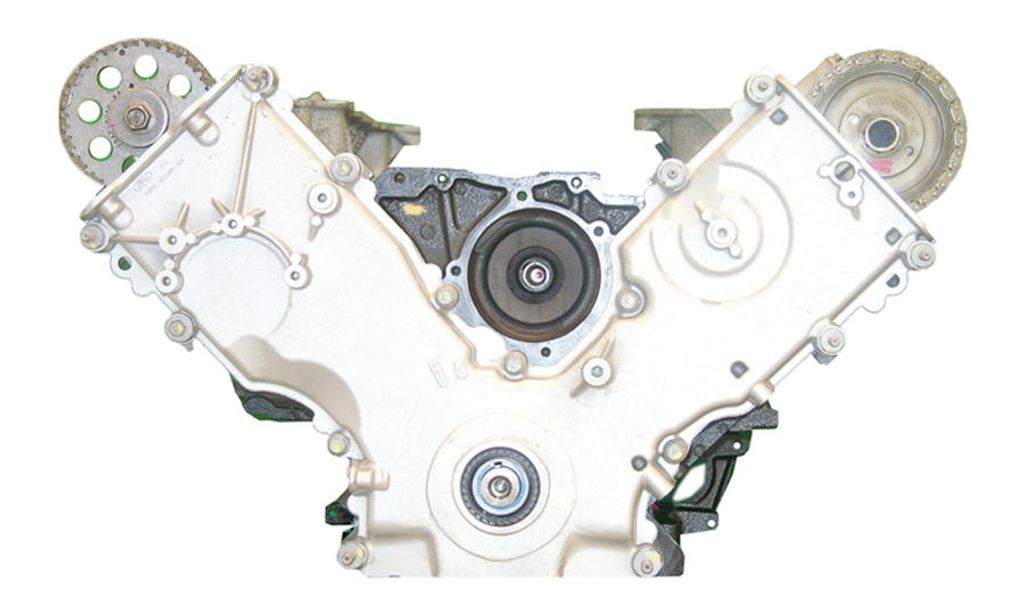
Are you curious about the engine that powers your 2003 Ford F150? Knowing what’s under the hood can help you understand your truck better, whether you’re planning maintenance, upgrades, or just want to impress your friends with your knowledge.
This guide will break down the engine options available for the 2003 F150, so you can get clear answers fast. Keep reading to discover exactly what engine your truck has and what that means for performance and reliability.
Engine Options For 2003 Ford F150
The 2003 Ford F150 offers several engine choices to suit different needs. Each engine option provides unique power and performance levels. This variety helps drivers select the best engine for work or daily driving.
Standard V6 Engine
The base engine for the 2003 F150 is a 4.2-liter V6. It produces 202 horsepower and 260 lb-ft of torque. This engine balances fuel economy with enough power for light towing and hauling. It is ideal for drivers who want a reliable, efficient truck.
Available V8 Engines
Ford offers two V8 engines for more power. The first is a 4.6-liter V8, delivering 231 horsepower and 293 lb-ft of torque. It suits drivers needing better towing capacity and acceleration.
The second is a 5.4-liter V8, with 260 horsepower and 350 lb-ft of torque. This engine is perfect for heavy-duty tasks and rough terrain. Both V8s provide stronger performance than the V6.
Special Edition Engines
Some 2003 F150 special editions feature enhanced engines. For example, the Harley-Davidson edition comes with a tuned 5.4-liter V8. It has unique styling and slightly more power.
These special engines offer a blend of style and performance. They cater to buyers wanting a distinctive truck with solid engine options.
Performance Specs Of Each Engine
The 2003 Ford F150 offered several engine choices. Each engine had unique performance features. Understanding these specs helps to pick the right engine for your needs. Below are the key performance details for each engine option.
Horsepower And Torque Ratings
- 4.2L V6: 202 horsepower, 260 lb-ft torque
- 4.6L V8: 231 horsepower, 293 lb-ft torque
- 5.4L V8: 260 horsepower, 350 lb-ft torque
The 5.4L V8 delivers the highest power and torque. It suits heavy-duty tasks best. The V6 engine offers modest power for daily driving. The 4.6L V8 balances power and efficiency well.
Fuel Efficiency
- 4.2L V6: Approx. 16 mpg city / 20 mpg highway
- 4.6L V8: Approx. 15 mpg city / 19 mpg highway
- 5.4L V8: Approx. 13 mpg city / 17 mpg highway
The V6 engine is the most fuel-efficient option. The V8 engines consume more fuel but provide better power. Fuel economy varies based on driving style and load.
Towing And Payload Capacities
| Engine | Towing Capacity | Payload Capacity |
|---|---|---|
| 4.2L V6 | Up to 6,000 lbs | Up to 1,650 lbs |
| 4.6L V8 | Up to 7,000 lbs | Up to 1,900 lbs |
| 5.4L V8 | Up to 8,800 lbs | Up to 2,200 lbs |
The 5.4L V8 engine offers the highest towing and payload capacity. It handles heavy loads with ease. The V6 suits lighter towing needs. The 4.6L V8 stands between these two in capability.
Engine Features And Technologies
The 2003 Ford F150’s engine is a blend of practical engineering and smart technology aimed at delivering reliable power and efficiency. Understanding the key features and technologies behind its engine helps you appreciate what keeps it running strong on the road. Let’s break down the important aspects that define its performance and durability.
Fuel Injection Systems
The 2003 Ford F150 uses an electronic fuel injection system rather than a carburetor. This system precisely controls the amount of fuel sent to the engine, improving fuel efficiency and throttle response. You might notice smoother acceleration and better fuel economy compared to older models with less advanced fuel delivery.
One interesting detail is how the fuel injection system adapts to different driving conditions. It adjusts fuel delivery based on engine temperature, load, and speed. This means your truck runs optimally whether you’re cruising on the highway or towing heavy loads.
Emission Controls
Emission control technology in the 2003 F150 is designed to reduce harmful gases released into the environment. The engine features a catalytic converter that transforms toxic gases like carbon monoxide into less harmful substances. This helps your truck meet emission standards without sacrificing power.
Additionally, the engine uses an Exhaust Gas Recirculation (EGR) system. By recirculating a portion of exhaust gases back into the engine, it lowers nitrogen oxide emissions. Think about how this technology benefits both your truck’s performance and the environment—it’s a win-win.
Engine Durability Enhancements
Ford incorporated several durability enhancements to make sure the 2003 F150 engine lasts through tough conditions. The engine block is made from strong cast iron, which resists wear and heat damage over time. This gives you confidence that the engine can handle heavy-duty use without frequent repairs.
Moreover, the engine features improved cooling systems to prevent overheating, especially during demanding tasks like hauling or off-roading. Regular maintenance of these systems can extend your engine’s life significantly. Have you checked your cooling system lately?

Credit: il.ebay.com
Common Issues With 2003 F150 Engines
The 2003 Ford F150 engines are known for their power and durability. Despite this, they can face several common issues over time. Knowing these problems helps you keep the engine running smoothly. Early detection of wear signs can save money and prevent breakdowns.
Known Mechanical Problems
- Timing chain tensioner failure causing noise and engine damage
- Oil leaks from valve cover gaskets and rear main seals
- Ignition coil failures leading to misfires and rough running
- Faulty fuel injectors causing poor fuel delivery and hesitation
- Overheating due to thermostat or water pump issues
Signs Of Engine Wear
- Unusual knocking or ticking sounds under the hood
- Reduced power and sluggish acceleration
- Excessive smoke from the exhaust pipe
- Frequent stalling or rough idling
- Warning lights on the dashboard, especially the check engine light
Maintenance Tips
- Change engine oil and filter regularly to prevent sludge buildup
- Inspect and replace spark plugs and ignition coils as needed
- Check coolant levels and condition to avoid overheating
- Clean or replace the air filter to maintain airflow
- Have the timing chain and tensioner inspected during major services
Upgrades And Modifications
Upgrading the engine of a 2003 Ford F150 can boost power and improve efficiency. Many owners choose to modify their trucks to better suit their driving needs. Modifications can range from simple tweaks to major performance changes. Understanding the options helps make smarter decisions for your vehicle.
Performance Enhancements
Adding a cold air intake improves airflow to the engine. This helps increase horsepower and fuel efficiency. Upgrading the exhaust system reduces back pressure. It allows the engine to breathe better and produce more power. Installing a performance chip can adjust the engine’s fuel and timing settings. This change can result in smoother acceleration and higher torque.
Aftermarket Parts
Aftermarket parts offer affordable ways to customize the engine. Popular choices include high-flow air filters and performance spark plugs. These parts improve combustion and engine response. Performance headers and catalytic converters can also enhance exhaust flow. Quality brands provide parts designed to fit the 2003 Ford F150 engine exactly.
Installation Considerations
Proper installation is key to safe and effective upgrades. Some parts need professional tools and expertise. Incorrect installation can cause engine damage or reduce performance. Check compatibility with your engine type before buying parts. Follow manufacturer instructions carefully. Regular maintenance after installation keeps the engine running smoothly.

Credit: www.ebay.com
Engine Identification And Vin Decoding
Identifying the engine in a 2003 Ford F150 requires understanding engine codes and decoding the Vehicle Identification Number (VIN). These details help confirm the exact engine model installed by the factory. Proper engine identification is essential for repairs, upgrades, and resale.
The VIN contains a wealth of information about the truck’s original specifications. Decoding it reveals the engine type and production details. This process verifies that the engine matches Ford’s original setup for that vehicle.
Locating Engine Codes
Engine codes appear stamped on the engine block or on a metal tag. Common locations include:
- Front of the engine block near the cylinder head
- Side of the engine block near the transmission
- Valve cover or intake manifold areas
The engine code consists of letters and numbers. It identifies the engine family and specific version. For 2003 Ford F150s, typical engines include the 4.2L V6, 4.6L V8, and 5.4L V8. The code confirms which one is installed.
Interpreting Vin Numbers
The VIN is a 17-character code found on the dashboard or driver-side door frame. Each character has a specific meaning. The 8th character in the VIN usually represents the engine type for Ford trucks.
Example decoding of the 8th character:
| Character | Engine Type |
|---|---|
| A | 4.2L V6 |
| L | 4.6L V8 |
| T | 5.4L V8 |
Use the VIN decoder to match this character with the engine installed. This helps identify the original factory engine.
Verifying Engine Authenticity
Compare the engine code with the VIN engine identifier. Both must match for authenticity. Inspect the engine block for matching serial numbers. Check for signs of engine swaps or modifications.
Maintaining engine authenticity preserves vehicle value. It also ensures correct parts and service. Always cross-check engine codes and VIN details for the best results.
Credit: www.carfax.com
Frequently Asked Questions
What Engine Options Are Available For 2003 Ford F150?
The 2003 Ford F150 offers multiple engine options. You can choose between a 4. 2-liter V6, a 4. 6-liter V8, and a 5. 4-liter V8 engine. Each engine offers different power and performance levels to meet various driving needs. The engine choice depends on your specific requirements and preferences.
Is The 5.4-liter V8 Engine Powerful?
Yes, the 5. 4-liter V8 engine is powerful. It provides robust performance with 260 horsepower and 350 lb-ft of torque. This engine is well-suited for towing and hauling, making it a popular choice for those needing extra power. It’s ideal for heavy-duty tasks and long-distance travels.
How Does The 4.2-liter V6 Engine Perform?
The 4. 2-liter V6 engine offers reliable performance. It delivers around 202 horsepower, suitable for everyday driving. It’s the base engine option, providing decent fuel efficiency and power. This engine is ideal for those seeking a balance between performance and economy.
It’s practical for city driving and light-duty tasks.
Which Engine Offers The Best Fuel Efficiency?
The 4. 2-liter V6 engine offers the best fuel efficiency among the 2003 Ford F150 engines. It balances power and economy, making it a cost-effective choice for daily use. While it may not be as powerful as the V8 options, it provides sufficient performance for routine driving and is budget-friendly.
Conclusion
The 2003 Ford F150 offers several engine choices. Each engine suits different needs and uses. The V6 and V8 options provide power and reliability. Choosing the right engine depends on your work or driving style. Knowing these engines helps you understand the truck better.
The 2003 F150 remains a popular and strong vehicle. It still holds value for many truck buyers today. Understanding the engine options makes your decision easier. A solid engine means a solid truck.