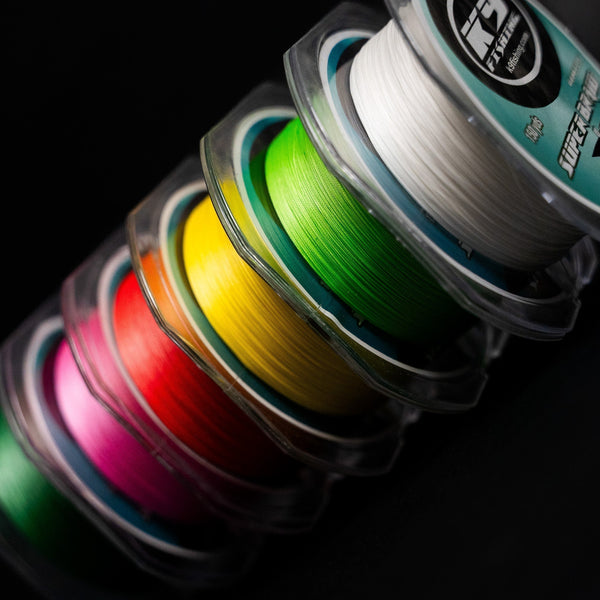
Choosing the right fishing line can make all the difference when you’re out trying to catch bass. You want a line that’s strong, sensitive, and tough enough to handle those powerful fish.
But with so many options available, how do you know which one is best for your needs? This guide will help you understand the key factors and pick the perfect fishing line to boost your chances of landing that big bass.
Keep reading to discover insider tips that will change the way you fish forever.
Types Of Fishing Lines For Bass
Choosing the right fishing line helps catch bass effectively. Different lines have unique features and uses. Understanding types helps you pick the best one.
This guide explains three popular fishing lines for bass: monofilament, fluorocarbon, and braided lines. Each type has strengths and weaknesses.
Monofilament Lines
Monofilament lines are made from a single strand of nylon. They are stretchy and easy to handle for beginners.
These lines float well and have good knot strength. They work great in clear or murky water and are budget-friendly.
- Good stretch absorbs fish strikes
- Easy to tie knots
- Floats on water surface
- Affordable and widely available
Fluorocarbon Lines
Fluorocarbon lines are made from a special plastic that bends less than monofilament. They are nearly invisible underwater.
These lines sink faster, which helps in deep water fishing. They resist abrasion well and are good for clear water.
- Low visibility underwater
- Sinks faster for deep fishing
- Highly resistant to abrasion
- Less stretch than monofilament
Braided Lines
Braided lines consist of many thin fibers woven together. They have very high strength and little stretch.
These lines are strong and sensitive, letting you feel fish bites easily. They do not sink much and are visible in water.
- Very strong for its size
- Almost no stretch
- Great sensitivity
- Highly visible in water
Choosing The Right Line Strength
Picking the right fishing line strength is key for catching bass. The strength affects how well you handle the fish and avoid line breaks.
Your choice depends on the size of bass and the fishing conditions. Using the right line helps you fish with confidence and success.
Pound Test Ratings
Pound test shows how much weight a line can hold before breaking. Higher numbers mean stronger lines.
For bass fishing, lines usually range from 6 to 20 pounds test. Choose a line strength that matches the size of bass you expect.
- 6 to 8 pounds for small to medium bass
- 10 to 12 pounds for average-sized bass
- 14 to 20 pounds for large bass or heavy cover
Matching Line Strength To Lure Weight
Your fishing line should fit the weight of the lure you use. Using the right match helps your lure cast well and work properly.
Light lures need lighter lines for better casting. Heavy lures require stronger lines to handle the force.
| Lure Weight | Recommended Line Strength |
|---|---|
| 1/8 to 1/4 oz | 6 to 8 pounds |
| 1/4 to 1/2 oz | 8 to 12 pounds |
| 1/2 to 1 oz | 12 to 16 pounds |
| Over 1 oz | 16 to 20 pounds |
Line Visibility And Water Conditions
Choosing the right fishing line for bass is important for success. The line’s visibility can change based on water conditions.
Different waters need different strategies. Clear and murky waters affect how bass see your line.
Clear Water Tips
In clear water, bass can see lines easily. You need a line that blends well with the water.
- Use fluorocarbon lines for low visibility.
- Choose lighter lines to match the water color.
- Consider the sun’s angle; it can make lines more visible.
Murky Water Strategies
In murky waters, bass rely more on movement and vibration than sight. Lines are less visible here.
Using a table can help decide the best line based on water clarity:
| Water Type | Recommended Line |
| Clear | Fluorocarbon |
| Murky | Braided |
Braided lines are strong and visible, but in murky waters, bass cannot see them well.
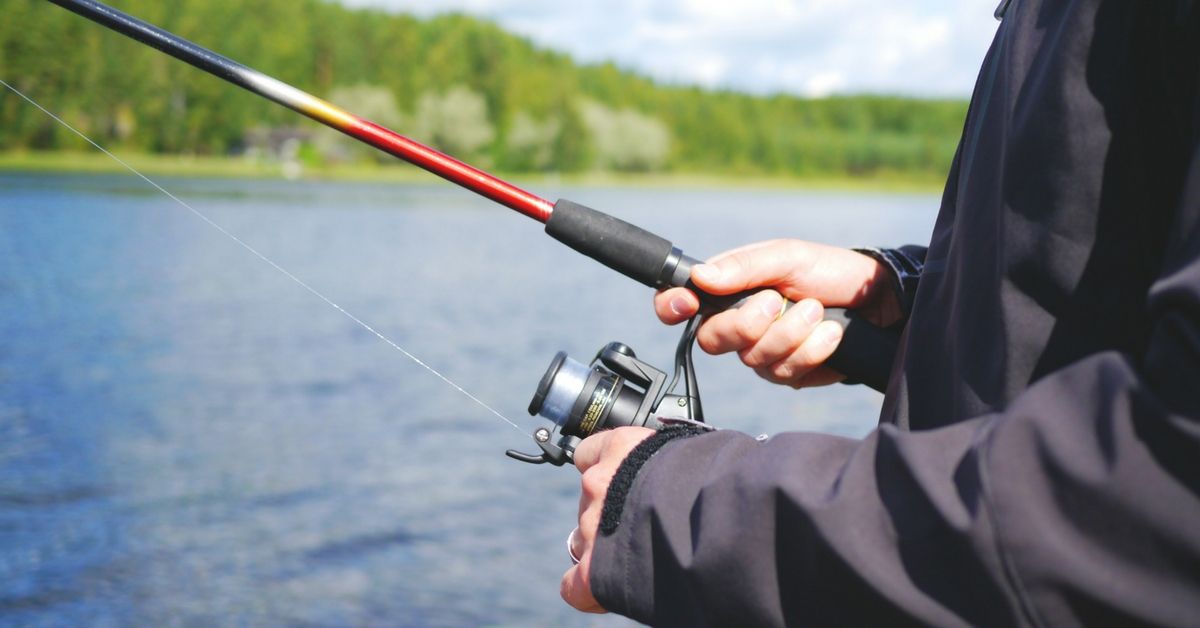
Credit: mysterytacklebox.com
Line Diameter And Sensitivity
Choosing the right fishing line for bass depends on line diameter and sensitivity. These two factors affect your fishing success.
Line diameter is the thickness of the fishing line. Sensitivity is how well you feel bites and movements underwater.
Impact On Casting Distance
A thinner line diameter lets you cast farther because it moves through the rod guides easier. This helps you reach distant spots where bass hide.
Thicker lines create more air resistance. This shortens your casting distance but may add strength for bigger bass.
- Thin lines improve casting distance and accuracy
- Thicker lines reduce casting distance but increase durability
- Balance is key: pick a line thin enough to cast far but strong enough to hold bass
Detecting Bass Bites
A sensitive line helps you feel light taps or small movements from bass. This lets you react quickly and set the hook.
Thinner lines often have better sensitivity because less material blocks the vibrations. Thicker lines can dull bite detection.
- Choose thinner lines to feel subtle bass bites
- Use sensitive line materials like fluorocarbon for better bite detection
- Less stretch in the line improves sensitivity and hook setting
Knots And Line Tying Techniques
Choosing the right knot and tying it well is key for bass fishing success. Strong knots keep your line secure and help you land big bass.
Proper knot tying reduces line breaks and helps avoid slippage. This guide covers strong knots and tips to tie them right.
Strongest Knots For Bass Fishing
Some knots hold better under pressure and stay strong on the water. Use these knots for bass fishing to improve your catch rate.
- Palomar Knot: Easy to tie and very strong. Works well with braided and monofilament lines.
- Improved Clinch Knot: Popular for its reliability and simplicity. Best for lighter lines.
- Uni Knot: Versatile and strong, great for tying hooks, lures, and swivels.
- Loop Knot: Creates a strong loop that lets lures move naturally in water.
- Double Surgeon’s Knot: Ideal for joining two lines of different diameters.
Avoiding Line Slippage
Line slippage causes lost fish and wasted time. Using the right knot and technique stops the line from slipping under tension.
| Technique | Description | Tips |
| Wet the line | Lubricate line before tightening knot | Use saliva or water to reduce friction |
| Tighten slowly | Pull knot tight with steady pressure | Prevent knot from twisting or binding |
| Leave tag end | Keep 1/8 to 1/4 inch of line after knot | Trim excess but not too close |
| Practice knot tying | Regularly practice knots off water | Build muscle memory and skill |

Credit: fishingbooker.com
Line Maintenance And Storage
Taking care of your fishing line is important for catching bass. Proper maintenance helps keep the line strong and ready to use.
Storing your fishing line the right way stops damage and keeps it in good shape for many fishing trips.
Preventing Line Damage
Check your fishing line often for nicks and cuts. Small damage can cause the line to break easily while fishing.
Avoid dragging the line over rough surfaces or sharp edges. This reduces the chance of wear and tear.
- Rinse your line with fresh water after saltwater use.
- Keep the line away from direct sunlight when not fishing.
- Use line conditioners to keep it smooth and flexible.
- Replace the line if you see frays or weak spots.
Extending Line Lifespan
Store your fishing line in a cool, dry place. Heat and moisture can weaken the line over time.
Keep the line on its spool to prevent tangles and knots. This helps the line stay neat and ready for use.
- Use a sealed container or bag to protect the line from dust.
- Do not leave the line stretched out for long periods.
- Rotate your fishing line if you have multiple spools to keep all fresh.
- Inspect your line before each fishing trip to ensure good condition.
Tips For Using Multiple Lines
Using multiple fishing lines can help you catch more bass. Different lines work best in different situations. Knowing how to use more than one line type can improve your fishing experience.
It is important to understand the strengths of each line. This way, you can combine or switch lines to match the conditions on the water.
Combining Different Line Types
Combining line types lets you get the benefits of each. For example, you can use a strong braided line with a clear fluorocarbon leader. This setup gives you strength and low visibility.
This method works well if bass are in clear water but you need strong line for heavy cover. The braided line helps pull fish out of thick weeds. The fluorocarbon leader keeps the line hidden from fish.
- Use braided line for strength and sensitivity
- Add fluorocarbon leader for invisibility in water
- Connect lines with a strong knot like the Albright knot
- Check knots often to avoid line breaks
Switching Lines For Conditions
Changing your fishing line can help you adapt to different weather or water conditions. For example, use monofilament on cold days because it floats better and handles shocks well.
Fluorocarbon is a good choice for clear water or when bass are shy. It sinks faster and is hard to see. Braided line is best for heavy cover or deep water because it is strong and thin.
- Choose monofilament for warm, shallow water and topwater lures
- Pick fluorocarbon for clear water and finesse fishing
- Use braided line for thick cover and deep water fishing
- Change lines based on the season and bass behavior

Credit: mysterytacklebox.com
Frequently Asked Questions
What Is The Best Fishing Line For Bass Fishing?
The best fishing line for bass is typically fluorocarbon or braided line. Fluorocarbon offers low visibility underwater, while braided line provides high strength and sensitivity. Choose based on water clarity and cover type for optimal bass fishing success.
How Strong Should A Bass Fishing Line Be?
A bass fishing line should have a strength between 8 to 20 pounds. Lighter lines offer better sensitivity, while heavier lines handle larger bass and heavy cover. Match line strength to fishing conditions and bass size for the best results.
Is Fluorocarbon Line Good For Bass Fishing?
Yes, fluorocarbon is excellent for bass fishing. It is nearly invisible underwater and has good abrasion resistance. This helps in clear water and around cover, increasing your chances of landing bass without spooking them.
When Should I Use Braided Line For Bass Fishing?
Use braided line when fishing in heavy cover or thick vegetation. It offers high strength and low stretch, allowing better hook sets and pulling bass out of tough spots. Braided line is ideal for thick weed beds and heavy structure.
Conclusion
Choosing the right fishing line helps catch more bass. Monofilament offers good stretch and visibility. Fluorocarbon is strong and less visible underwater. Braided line gives high strength and sensitivity. Match your line to water and bass size. Test different lines to see what works best.
Enjoy your time fishing with the right gear. Catching bass becomes easier with the right choice. Keep your fishing simple and fun!