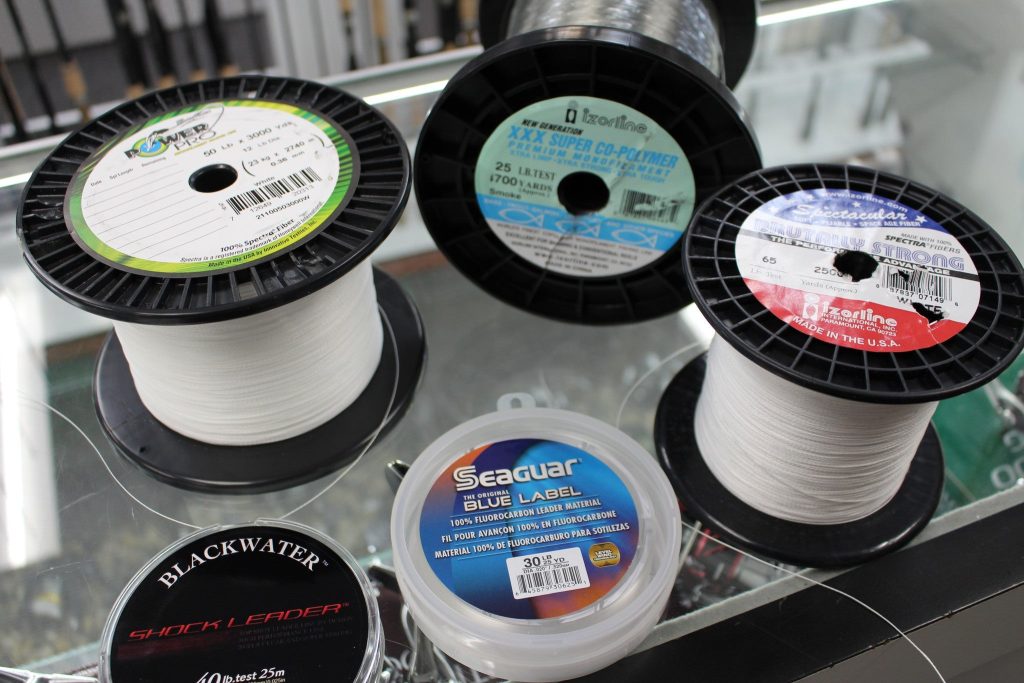
Choosing the right fishing line can make or break your fishing experience. You might think all lines are the same, but the truth is, the line you pick affects your casting, catch rate, and even your enjoyment on the water.
Wondering what fishing line you should use? This guide will help you cut through the confusion and find the perfect line tailored to your needs. Keep reading, and you’ll soon feel confident making the best choice every time you head out fishing.
Types Of Fishing Lines
Choosing the right fishing line is important for a good fishing experience. Different lines work better for different fish and water conditions.
Here are the main types of fishing lines and their uses.
Monofilament Lines
Monofilament lines are made from a single strand of nylon. They are soft and stretch under pressure. This stretch helps absorb shocks from fish bites.
These lines are easy to handle and good for beginners. They float on water, making them good for topwater fishing.
Fluorocarbon Lines
Fluorocarbon lines are made from a special plastic that sinks faster than monofilament. They are nearly invisible underwater. This helps avoid spooking fish.
- Great for clear water fishing
- Strong and abrasion-resistant
- Less stretch than monofilament
- Good for deep water fishing
Braided Lines
Braided lines are made by weaving many fibers together. They have no stretch and very high strength. This helps feel even small bites clearly.
| Feature | Benefit |
|---|---|
| High strength | Can catch large fish |
| No stretch | Better sensitivity |
| Thin diameter | More line on reel |
| Does not float | Good for deep water |
Specialty Lines
Specialty lines include those made for certain fishing styles. They may combine features from other lines or have unique coatings.
Examples of specialty lines:
- Copolymer lines: stronger than monofilament and less visible.
- Lead core lines: sink fast for trolling.
- Wire lines: used for fishing sharp-toothed fish.

Credit: fishingbooker.com
Factors To Consider
Choosing the right fishing line can make your fishing experience better. Different lines work for different fishing situations.
Consider these factors to find the best fishing line for your needs.
Strength And Durability
Strength and durability are important for catching big fish. A strong line is less likely to break under stress.
| Line Type | Strength | Durability |
| Monofilament | Medium | High |
| Braid | High | Medium |
| Fluorocarbon | High | High |
Visibility In Water
Some fish are easily scared by visible lines. Choose a line that blends into the water for a better catch rate.
Stretch And Sensitivity
Less stretch in a line means more sensitivity. This helps you feel bites more clearly and react quickly.
Abrasion Resistance
If you fish near rocks or logs, choose a line with high abrasion resistance. This keeps it from getting damaged easily.
Cost And Availability
Consider your budget and what is available in your local store. Some lines are more affordable and easy to find.
- Check prices at different stores
- Look for discounts or bulk deals
- Consider online shopping for more options
Choosing Lines For Freshwater Fishing
Picking the right fishing line helps catch more fish. Different fish need different types of lines.
Freshwater fishing covers many fish species. Choosing the correct line improves your chances.
Best Lines For Bass
Bass are strong and fight hard. Use lines that can handle their power and sharp teeth.
- Monofilament lines offer good stretch and are easy to handle.
- Fluorocarbon lines are less visible underwater and have good abrasion resistance.
- Braid lines are very strong and have no stretch but require careful use.
Lines For Trout And Panfish
Trout and panfish are smaller and more cautious. They need lighter and less visible lines.
| Line Type | Strength (lbs) | Visibility | Best Use |
| Fluorocarbon | 4–8 | Low | Clear water |
| Monofilament | 4–10 | Medium | General use |
| Braid | 6–12 | High | Heavy cover |
Options For Catfish And Carp
Catfish and carp are large and strong. They need tough lines that resist abrasion.
Try these options:
- Heavy braided lines for strength and durability
- Strong monofilament lines with high pound test
- Fluorocarbon for clear water and sensitive bites
Lines For Saltwater Angling
Choosing the right fishing line is key for saltwater fishing success. Saltwater conditions are tough on gear. The line must handle strong fish and rough environments.
Different types of saltwater fishing need different lines. This guide covers inshore and offshore lines. It also explains how to deal with corrosion and wear.
Inshore Fishing Lines
Inshore fishing targets fish near shore in bays, estuaries, and reefs. Lines here must be strong but flexible. They should resist abrasion from rocks and vegetation.
- Monofilament lines are popular for inshore fishing. They stretch well and are easy to handle.
- Fluorocarbon lines offer low visibility underwater. This helps catch shy fish.
- Braided lines have high strength and thin diameter. They work well in heavy cover.
Offshore Fishing Lines
Offshore fishing targets large fish far from shore. Lines must be very strong and durable. They need to handle big fish and deep water pressure.
| Type | Strength | Visibility | Best Use |
| Braided | Very High | High | Big game fishing, heavy cover |
| Fluorocarbon | High | Low | Leader material, clear water |
| Monofilament | Medium | Medium | General use, shock absorption |
Dealing With Corrosion And Tough Conditions
Saltwater causes corrosion and weakens fishing lines. Proper care keeps lines strong and lasting longer.
Tips to protect your fishing line:
- Rinse line with fresh water after every saltwater trip.
- Store line in a cool, dry place away from sunlight.
- Check line for nicks or damage before use.
- Replace line regularly to avoid breakage.
- Use line conditioners to reduce wear and tear.
Matching Line To Fishing Techniques
Choosing the right fishing line helps improve your catch. Each fishing method needs a line that fits its style and conditions.
Using the correct line increases your chances of success. It also makes fishing easier and more enjoyable.
Casting And Spinning
Casting and spinning rods work best with light to medium lines. Monofilament and fluorocarbon lines are popular choices.
Monofilament is stretchy and easy to handle. Fluorocarbon is less visible underwater and sinks faster.
- Use 6-12 lb test line for freshwater fishing
- Choose thinner lines for longer casts
- Fluorocarbon helps with clear water fishing
Trolling And Deep Sea Fishing
Trolling and deep sea fishing need strong lines. Braided and heavy monofilament lines work well here.
Braid lines have no stretch and high strength. Monofilament absorbs shock, useful for big fish.
- Use 20-50 lb test line for trolling
- Choose braided lines for sensitivity and strength
- Monofilament helps avoid line breakage on big fish
Fly Fishing Lines
Fly fishing uses special lines designed to cast light flies. These lines are thicker and heavier than other types.
Weight-forward floating lines are common. There are also sinking and intermediate lines for different water depths.
- Match line weight to your rod and fly size
- Use floating lines for surface fishing
- Sinking lines help reach deeper fish

Credit: nightgalaxy.com
Line Maintenance Tips
Keeping your fishing line in good shape helps you catch more fish. Proper care stops line breaks and tangles. Learn simple tips to maintain your fishing line well.
Regular checks and correct storage extend the life of your line. Knowing when to replace it keeps your fishing safe and effective.
Storage Best Practices
Store your fishing line in a cool, dark place to avoid damage. Keep it away from sunlight and heat, which weaken the line. Use a sealed container or a line spool holder to keep dust and moisture out.
- Keep line away from direct sunlight
- Store in a dry, cool place
- Use sealed containers or line spool holders
- Avoid storing under heavy objects
- Keep line clean before storage
Inspecting For Damage
Check your line before every fishing trip. Look for cracks, frays, or weak spots. Run your fingers along the line to feel for rough areas. Damaged line can snap easily and cause lost fish.
| Type of Damage | Signs to Look For | Action |
|---|---|---|
| Fraying | Loose or fuzzy fibers along the line | Cut out damaged section or replace line |
| Cracks | Visible splits or breaks in the line | Replace line immediately |
| Discoloration | Faded or uneven color spots | Inspect closely; consider replacement |
| Stiffness | Line feels hard or brittle | Replace line to avoid breakage |
When To Replace Your Line
Replace your fishing line if it shows any damage or after heavy use. Also, change it at least once every season. Old line loses strength and can break without warning.
- After visible damage or wear
- Every 3 to 6 months of regular use
- When line feels brittle or stiff
- After exposure to sunlight or saltwater
- Before important fishing trips
Tips For Knot Tying
Tying knots is important for fishing success. Strong knots keep your line from breaking.
Good knots hold better and help catch more fish. Learning the right knots saves time and gear.
Strong Knots For Different Lines
Different fishing lines need different knots. Use the right knot for the type of line you have.
Here are some strong knots for common fishing lines:
- Monofilament:Palomar knot or Improved Clinch knot work well.
- Fluorocarbon:Use the Palomar knot or Uni knot for strength.
- Braid:Try the Palomar knot or Double Uni knot to prevent slipping.
Avoiding Slips And Breaks
Tighten knots slowly and wet the line before pulling. This stops friction and weak spots.
Check your knots often. Replace any knot that looks worn or loose to avoid losing fish.
- Always wet the line before tightening knots.
- Pull knots firmly but gently to set them.
- Trim tag ends close to the knot.
- Practice tying knots to tie them faster and stronger.

Credit: fishingbooker.com
Frequently Asked Questions
What Types Of Fishing Lines Are Best For Beginners?
Monofilament lines are ideal for beginners. They are affordable, flexible, and easy to handle. This type offers good knot strength and stretch, making it forgiving for new anglers.
How Do I Choose The Right Fishing Line Strength?
Select line strength based on the fish species and fishing environment. Match the pound test to the size and weight of your target fish for effective and safe fishing.
Is Braided Line Better Than Monofilament Or Fluorocarbon?
Braided line offers superior strength and durability with low stretch. However, monofilament is more affordable and easier to handle, while fluorocarbon is nearly invisible underwater and abrasion-resistant.
When Should I Use Fluorocarbon Fishing Line?
Use fluorocarbon in clear water or when fish are line-shy. It sinks faster and is abrasion-resistant, improving stealth and hook-setting ability in tough conditions.
Conclusion
Choosing the right fishing line makes a big difference. Think about the fish you want to catch. Consider water type, line strength, and stretch. Different lines suit different fishing styles. Test a few to find your best fit. Good gear helps you enjoy fishing more.
Keep your line strong and reliable. Happy fishing starts with smart choices.