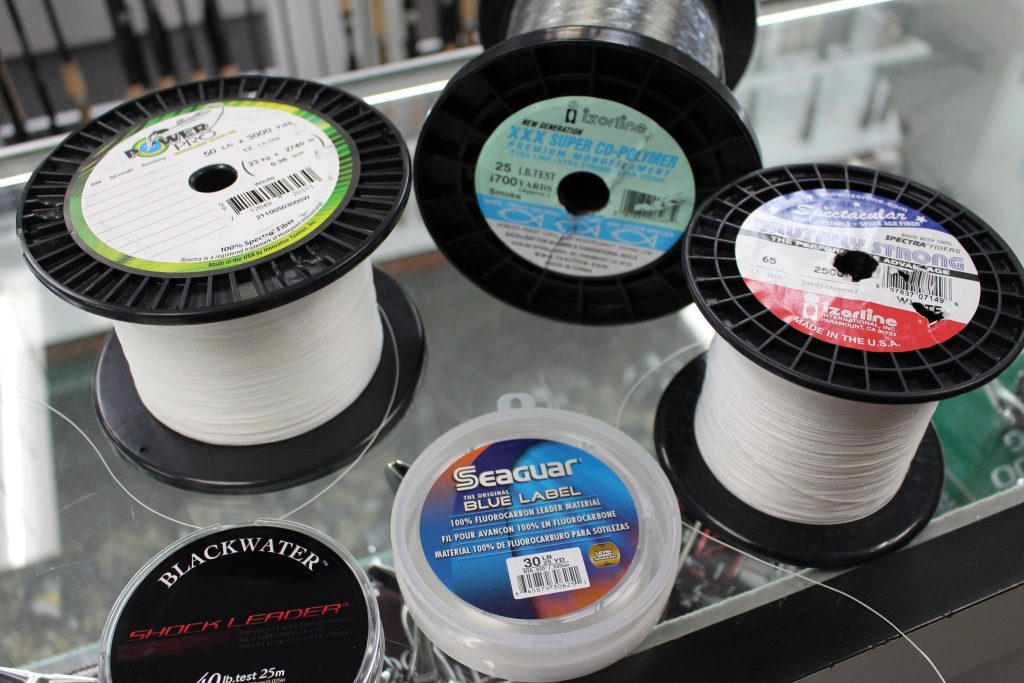
Choosing the right fishing line can make or break your fishing experience. You might have the best rod and lure, but if your line isn’t up to the task, you could miss out on the catch of a lifetime.
So, what fishing line should you use? This isn’t just about picking any line off the shelf. It’s about matching your line to the type of fish you want, the water you’re fishing in, and your own fishing style. Keep reading, because by the end of this article, you’ll know exactly how to pick the perfect fishing line that will boost your confidence and increase your chances of success every time you cast.
Types Of Fishing Lines
Choosing the right fishing line is important for a good fishing experience. Different lines work best for different fish and water conditions.
Fishing lines come in many types. Each type has unique features that affect strength, stretch, and visibility.
Monofilament Lines
Monofilament line is made from a single strand of nylon. It is soft and stretches well, which helps absorb shocks from fish.
This line is easy to handle and good for beginners. It floats on water and is less visible in clear water than braided lines.
Fluorocarbon Lines
Fluorocarbon line is made from a special plastic that sinks faster than monofilament. It is hard to see underwater.
This line is strong and resists abrasion well. It works great for clear water and fish that are shy or easily scared.
Braided Lines
Braided line is made by weaving many strands of fibers together. It has very little stretch and is very strong.
This line is thin but can hold heavy weight. It is good for fishing in thick cover or deep water.
- High strength with small diameter
- Very sensitive to bites
- Floats on water surface
- More visible in water
Wire Lines
Wire lines are made from metal strands twisted together. They are very strong and resist sharp teeth.
These lines are used to catch fish with sharp teeth like pike or muskie. They do not stretch and offer excellent control.

Credit: bigyflyco.com
Line Strength And Test Ratings
Choosing the right fishing line depends on its strength and test ratings. These factors tell you how much weight the line can hold before breaking.
Understanding line strength helps you pick the best line for your fishing needs. It affects your chance of catching fish without losing your gear.
Choosing The Right Test Weight
Test weight shows the maximum weight a fishing line can hold. It is measured in pounds or kilograms. Choose a test weight based on the fish you want to catch.
Heavier fish need lines with higher test weights. Smaller fish need lighter lines for better sensitivity and casting distance.
- Light test weight: 2-6 lbs for small fish
- Medium test weight: 8-15 lbs for medium fish
- Heavy test weight: 20+ lbs for large fish
Balancing Strength And Flexibility
Strong lines resist breaking but can be stiff. Flexible lines bend more but may have lower strength. You need a line that balances both qualities.
Flexible lines help with casting and reduce snapping on sudden fish moves. Strong lines help if the fish fights hard or swims into obstacles.
- Monofilament lines offer good flexibility and moderate strength
- Fluorocarbon lines are strong and less visible underwater
- Braid lines have very high strength but less stretch
Fishing Line Diameter And Visibility
Choosing the right fishing line depends on many factors. Two important ones are line diameter and visibility.
The diameter affects how the line casts and handles. Visibility changes how fish see the line underwater.
Impact Of Diameter On Casting
Thinner lines cast farther and with less resistance through the rod guides. Thicker lines can reduce casting distance and make the line harder to handle.
- Thin diameter lines create less friction on guides.
- Thick diameter lines are stronger but bulkier.
- Choose diameter based on the fish size and tackle strength.
- Smaller diameter lines help with finesse and accuracy.
Line Visibility In Different Waters
Water clarity and light affect how visible your line is to fish. Clear water needs low visibility lines to avoid spooking fish.
| Water Type | Recommended Line Visibility |
| Clear Water | Low visibility, clear or fluorocarbon lines |
| Murky Water | High visibility or bright colored lines |
| Stained Water | Medium visibility, green or brown lines |
Best Lines For Freshwater Fishing
Choosing the right fishing line helps catch more fish. Freshwater fishing needs lines that suit the fish type and water conditions.
Different fish require different lines. This guide covers the best lines for bass, trout, and panfish.
Ideal Lines For Bass And Trout
Bass and trout need strong and sensitive lines. These fish fight hard, so the line must handle tension well. Monofilament and fluorocarbon are popular choices.
- Monofilament:Good stretch and shock absorption. Easy to handle for beginners.
- Fluorocarbon:Nearly invisible underwater. Stronger and more abrasion-resistant.
- Braid:Very strong with no stretch. Best for heavy cover and long casts.
Lines Suited For Panfish
Panfish are smaller and lighter, so they need lighter lines. Light monofilament or fluorocarbon lines work well. These lines let you feel subtle bites easily.
| Line Type | Best Strength (lb) | Key Feature |
| Monofilament | 2-6 | Good stretch, easy to knot |
| Fluorocarbon | 2-6 | Less visible, abrasion-resistant |
| Braid | 4-8 | Thin diameter, very strong |
Best Lines For Saltwater Fishing
Choosing the right fishing line is important for saltwater fishing. Saltwater can damage some lines quickly.
Using the best line helps you catch fish and keeps your gear safe from harm.
Durability Against Saltwater Corrosion
Saltwater can cause some fishing lines to wear out fast. Look for lines made from materials that resist corrosion.
Fluorocarbon and braided lines usually last longer in saltwater. They do not absorb water or weaken quickly.
- Fluorocarbon lines resist salt and sunlight well
- Braided lines are strong and do not stretch much
- Monofilament lines can weaken faster in saltwater
Lines For Surf And Deep Sea Fishing
Surf fishing needs lines that handle waves and rough conditions. Deep sea fishing requires very strong lines for big fish.
Braided lines are a good choice for both. They have high strength and good sensitivity for feeling bites.
- Use 20-50 lb braided line for surf fishing
- Deep sea fishing may need lines up to 80 lb or more
- Fluorocarbon leaders help hide the line from fish

Credit: fishingbooker.com
Casting And Knot Performance
Choosing the right fishing line helps improve casting distance and accuracy. It also affects how strong and reliable your knots will be.
Different lines behave differently during casting and knot tying. Understanding these differences helps you pick the best line for your needs.
Smooth Casting Tips
For smooth casting, choose a line that flows easily through the rod guides. Thin lines and those with low memory cast farther and smoother.
Fluorocarbon and monofilament lines are good for beginners because they cast well. Braided lines are strong but can be stiff and harder to cast smoothly.
- Use a line with low stretch for better control
- Keep line clean and dry to reduce friction
- Use the right rod and reel for your line type
- Practice smooth, steady casting motions
Knot Strength With Different Lines
Knot strength depends on the line material and type of knot used. Some lines are easier to knot than others.
Monofilament lines hold knots well and stretch under pressure. Fluorocarbon lines are strong but can be slippery. Braided lines need special knots to hold tight.
| Line Type | Knot Strength | Best Knot Types |
|---|---|---|
| Monofilament | Good | Improved Clinch, Palomar |
| Fluorocarbon | Strong but slippery | Palomar, Uni Knot |
| Braided | Very strong but slippery | Palomar, Double Uni |
Line Maintenance And Storage
Keeping your fishing line in good condition helps it last longer. Proper care avoids weak spots and breaks.
Storing your line correctly prevents damage and keeps it ready for your next trip.
Preventing Line Damage
Fishing line can get damaged by sunlight, dirt, and rough surfaces. Avoid these to keep the line strong.
- Rinse line with fresh water after use, especially after saltwater fishing
- Check the line for cuts or abrasions before each use
- Avoid dragging the line over rocks or sharp edges
- Keep line away from direct sunlight when not in use
- Replace line regularly based on usage and wear
Proper Storage Techniques
Store fishing line in a cool, dry place to keep it from weakening. Avoid humidity and heat.
| Storage Tip | Benefit |
| Keep line on spool or reel | Prevents tangles and knots |
| Use sealed containers | Keeps moisture and dust out |
| Avoid tight winding | Stops line from stretching |
| Store away from sunlight | Prevents line from weakening |
| Label old and new line | Helps track line age |

Credit: nightgalaxy.com
Budget Considerations
Choosing the right fishing line depends on your budget and needs. Some lines cost less but work well for casual fishing.
Understanding cost versus performance helps you decide where to spend your money on fishing gear.
Cost Vs. Performance
Lower-cost fishing lines can handle many types of fishing. They may not last as long or offer the best strength.
| Type of Line | Average Cost (per spool) | Durability | Strength |
| Monofilament | $5 – $15 | Moderate | Good |
| Fluorocarbon | $15 – $30 | High | Very Good |
| Braid | $10 – $25 | High | Excellent |
Consider how often you fish and the type of fish you want to catch. This helps balance cost and line quality.
When To Invest In Premium Lines
Premium lines can improve your catch rate and last longer. They suit serious anglers and tough fishing conditions.
- If you fish often and want reliable gear
- When targeting large or strong fish
- In clear water where low visibility line helps
- For fishing techniques that need extra sensitivity
Investing in better lines can save money over time by reducing the need for replacements.
Tips For Matching Line To Rod And Reel
Choosing the right fishing line is important for a good fishing experience. Your line should work well with your rod and reel. This helps you catch fish easily and avoid problems.
Matching line to your gear keeps your setup balanced. It also makes casting and reeling smoother. Here are tips to help you pick the right line.
Check The Rod’s Line Weight Rating
Look at the rod’s line weight range. This is the best line strength for that rod. Using a line inside this range helps the rod work properly.
Using a line that is too heavy can break the rod. A line that is too light can cause poor casting and less control.
Match Line Strength To Reel Capacity
Check how much line your reel can hold. Use a line strength that fits the reel’s spool size. This prevents overfilling or underfilling the reel.
Using the right line size keeps the reel balanced and helps casting distance. It also avoids line tangles and spool damage.
Consider The Fishing Technique
Choose a line type that fits your fishing style. Some lines work better for casting, others for bait fishing or trolling. Match your line to how you fish.
For example, braided lines cast far but can be stiff. Monofilament is stretchy and good for beginners. Fluorocarbon sinks fast and is invisible underwater.
- Use braided line for long casts and heavy cover
- Choose monofilament for light tackle and easy handling
- Select fluorocarbon for clear water and stealth
Balance Line Strength With Rod Power
Rod power shows how strong the rod is. Light rods need lighter lines. Heavy rods can handle stronger lines. Match line strength to rod power for better control.
Using a line that is too strong on a light rod can reduce sensitivity. A weak line on a heavy rod may break when fighting fish.
Test Your Setup Before Fishing
After choosing your line, test your rod and reel setup. Cast a few times to check how the line flows. Reeling in should feel smooth and easy.
If you feel resistance or line twisting, try adjusting the line or picking a different strength. Testing helps avoid problems on the water.
Common Mistakes To Avoid
Choosing the right fishing line is key for a good catch. Many anglers make simple mistakes that hurt their success.
Knowing what to avoid helps you pick the best line for your fishing needs. This guide covers common errors to watch out for.
Using The Wrong Line Strength
Many anglers pick a line with too much or too little strength. A line that is too strong can scare fish away. A weak line breaks easily.
Ignoring Line Type Differences
There are monofilament, fluorocarbon, and braided lines. Each type works best in different situations. Using the wrong type limits your fishing success.
Not Checking Line Condition
Old or damaged line loses strength. Many anglers forget to check for frays, nicks, or sun damage. This can cause line failure during a catch.
Overlooking Knot Strength
A strong fishing line is useless if knots are weak. Poorly tied knots slip or break easily. Learning proper knots improves your fishing line’s performance.
Failing To Match Line To Rod And Reel
Using a line that does not fit your rod and reel causes problems. It can affect casting distance and line control. Always match your line to your gear.
Common Mistakes And Their Effects
| Mistake | Effect |
| Wrong line strength | Line breaks or scares fish |
| Ignoring line type | Poor fishing in certain waters |
| Not checking line condition | Line failure during catch |
| Weak knots | Knots slip or break |
| Mismatched line and gear | Poor casting and control |
Frequently Asked Questions
What Types Of Fishing Lines Are Best For Beginners?
Monofilament lines are ideal for beginners. They are affordable, versatile, and easy to handle. These lines offer good knot strength and stretch, which helps absorb sudden fish movements.
How To Choose Fishing Line Strength And Thickness?
Select line strength based on your target fish size. Thicker lines have higher strength but less sensitivity. Match line weight to your rod and reel specifications for best performance.
When Should I Use Braided Fishing Lines?
Use braided lines for heavy cover or deep water fishing. They have high strength, low stretch, and excellent sensitivity. Braided lines are durable but may require a leader to avoid visibility.
Are Fluorocarbon Lines Better For Clear Water?
Yes, fluorocarbon lines are nearly invisible underwater. They resist abrasion and sink faster, making them perfect for clear water fishing. Fluorocarbon lines also have low stretch for better bite detection.
Conclusion
Choosing the right fishing line enhances your fishing experience. Consider the type of fish and water conditions. Monofilament, fluorocarbon, and braided lines have unique benefits. Monofilament suits beginners with its stretch and versatility. Fluorocarbon is nearly invisible underwater, perfect for clear lakes.
Braided lines offer strength for heavy catches in dense areas. Test a few options to see what works best for you. Check local fishing regulations and weather conditions too. Remember, practice and patience are key. Enjoy your time on the water, and happy fishing!