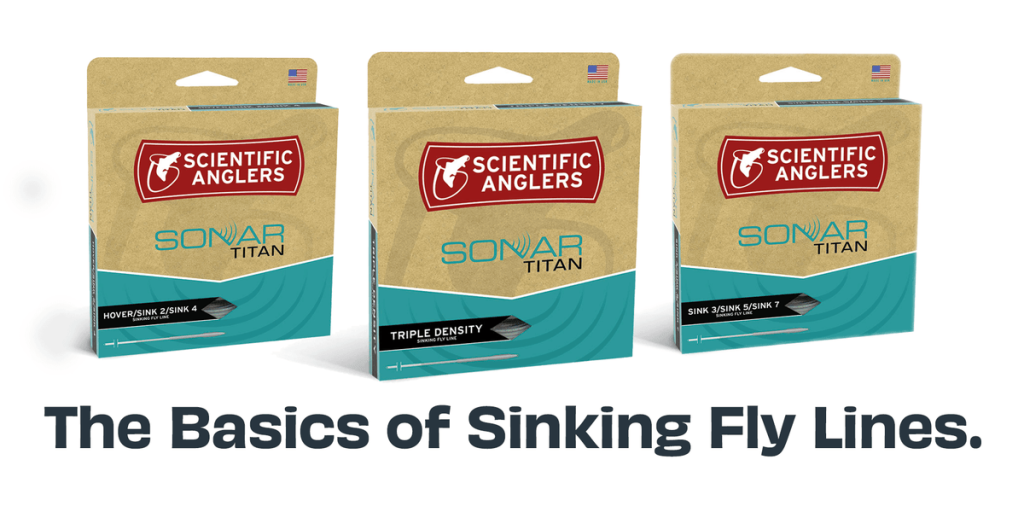
Have you ever wondered why some fishing lines sink while others float? Choosing the right fishing line can make a huge difference in your fishing success.
Whether you want your bait to dive deep or stay near the surface, understanding what makes a fishing line sink is key. You’ll discover the secrets behind sinking fishing lines and how to pick the perfect one for your next fishing trip.
Keep reading—you’re about to learn something that could change the way you fish forever.

Credit: www.anglingdirect.co.uk
Types Of Fishing Lines
Fishing lines come in different materials and types. Each type has unique features that affect how it sinks and performs in water.
Choosing the right fishing line helps improve your fishing experience. It depends on the water, fish species, and fishing style.
Monofilament
Monofilament line is made from a single strand of nylon. It floats on the water surface or sinks slowly. This line is soft and stretches under pressure.
Its slow sinking speed makes it good for topwater fishing. It also helps absorb shocks from fish bites.
Fluorocarbon
Fluorocarbon line is made from a special polymer. It sinks faster than monofilament because it is denser. This line is nearly invisible underwater.
- Fast sinking speed for deep water fishing
- High abrasion resistance
- Low stretch for better hook sets
- Nearly invisible to fish
Braided
Braided line is made by weaving many thin fibers. It floats or sinks very slowly, depending on the type. This line is very strong and thin.
| Feature | Benefit |
|---|---|
| High strength | Handles big fish without breaking |
| Low stretch | Better sensitivity to bites |
| Floats or sinks slowly | Good for surface or shallow fishing |
| Thin diameter | Less visible and less water resistance |
Factors Influencing Line Sink Rate
Fishing line sink rate depends on several key factors. Knowing these helps you pick the right line for your fishing needs.
Sink rate affects how fast your bait or lure moves underwater. This changes how fish react to it.
Line Diameter
Thicker lines usually sink faster than thinner ones. They have more weight and surface area underwater.
Thin lines float better because they create less drag. This slows down the sinking process.
- Thick line = faster sink rate
- Thin line = slower sink rate
- Choose diameter based on fishing depth
Material Composition
Different materials affect how a fishing line sinks. Some materials absorb water and get heavier.
Monofilament lines often float or sink slowly. Fluorocarbon lines sink faster because they are denser.
- Monofilament: floats or sinks slowly
- Fluorocarbon: sinks faster due to density
- Braided lines: usually float or sink very slowly
Water Temperature
Cold water is denser than warm water. This can make lines sink a little faster.
Warm water is less dense, so lines may sink slower. Temperature affects water resistance too.
- Colder water increases sink rate
- Warmer water decreases sink rate
- Temperature changes affect fishing tactics
Benefits Of Sinking Lines
Sinking fishing lines drop below the water surface. They help anglers reach deeper spots easily.
These lines improve how bait moves and increase the feeling of bites. They are great for many fishing styles.
Increased Depth Reach
Sinking lines let you cast bait deeper. This helps catch fish that stay near the bottom.
You can reach areas with less light and more fish. It works well in lakes and rivers.
Enhanced Bait Presentation
These lines make bait look natural underwater. The bait moves slowly and stays in the strike zone longer.
Fish notice the bait more easily. This can lead to more bites and better catches.
Improved Sensitivity
Sinking lines help you feel small bites. The line stays tight, so you notice fish quickly.
This makes it easier to set the hook fast. You get a better chance to catch the fish you want.

Credit: www.stillwaterfisheries.com
Choosing The Right Line For Different Conditions
Picking the right fishing line affects your success on the water. Lines vary by material, strength, and sink rate. Choose a line that fits your fishing conditions and target fish.
Knowing how lines behave helps you catch more fish. This guide explains how to select lines for different water types, depths, and fish species.
Freshwater Vs Saltwater
Freshwater and saltwater fishing require different line types. Saltwater lines need to resist corrosion from salt. Freshwater lines focus more on invisibility and stretch.
- Saltwater lines are usually braided or fluorocarbon for durability.
- Freshwater lines often use monofilament for stretch and shock absorption.
- Saltwater lines must handle stronger fish and rougher conditions.
- Freshwater lines are lighter and less visible underwater.
Shallow Vs Deep Waters
Depth affects line choice because of how lines sink and stretch. In shallow water, you want a line that sinks slowly to avoid spooking fish. Deep water needs a fast-sinking line to reach the bottom quickly.
| Water Depth | Recommended Line Type | Reason |
| Shallow (0-10 ft) | Monofilament or low-density fluorocarbon | Slower sinking keeps bait natural |
| Medium (10-30 ft) | Fluorocarbon or medium-density braided line | Balance of sinking speed and strength |
| Deep (30+ ft) | High-density fluorocarbon or heavy braided line | Fast sinking to reach depth quickly |
Targeted Fish Species
Different fish need different line strengths and types. Strong, heavy lines work for big fish. Light lines help catch smaller, shy fish without scaring them.
- Large fish like bass or pike need heavy braided or fluorocarbon lines.
- Small fish like trout or panfish do better with light monofilament lines.
- Saltwater species often require abrasion-resistant lines.
- Use softer lines for fish that bite lightly.
Tips For Effective Use Of Sinking Lines
Sinking fishing lines help you reach deeper waters where fish often hide. Using them well can improve your catch rate and fishing experience.
To get the best results, focus on your casting, keep your line in good shape, and choose the right knots. Each step matters when working with sinking lines.
Casting Techniques
Cast your sinking line with a smooth, steady motion. Avoid jerky movements to keep the line from tangling or breaking.
- Use a slightly heavier lure to help the line sink faster.
- Cast beyond your target and let the line sink before reeling.
- Try sidearm casting for better control in windy conditions.
- Keep your rod tip low to reduce slack and improve line control.
Line Maintenance
Good care of your sinking line extends its life and performance. Check your line regularly for damage and dirt.
| Maintenance Task | What to Do |
| Cleaning | Wipe line with a damp cloth after each use |
| Inspection | Look for cracks, nicks, or frays before fishing |
| Storage | Keep line in a cool, dry place away from sunlight |
| Replacement | Change line after several uses or if damaged |
Knot Selection
Choose strong knots that hold well with sinking lines. The right knot keeps your lure secure and prevents line breakage.
Here are three strong knots for sinking lines:
- Improved Clinch Knot:Easy to tie and very reliable.
- Palomar Knot:Simple and holds well under pressure.
- Uni Knot:Versatile and good for different line types.
Credit: gearjunkie.com
Common Myths About Sinking Lines
Many anglers believe sinking lines have hidden problems. Some myths confuse their real features. This guide clears up common misunderstandings about sinking fishing lines.
Understanding these myths helps you pick the right line for your fishing needs. Let’s look at two main misconceptions.
Misconceptions On Visibility
Some think sinking lines are very visible underwater. They worry fish will spot the line and avoid the bait. But this is not always true.
- Sinking lines often have low visibility because they are made with materials that blend into water.
- Water color and light affect line visibility more than the line type.
- Clear or green sinking lines help reduce fish spooking.
- Visibility depends on line thickness and coating, not just sinking ability.
Durability Concerns
Many anglers think sinking lines break easily or wear out fast. Durability depends on the material and use, not sinking properties.
| Myth | Fact |
| Sinking lines break faster than floating lines. | Durability depends on material quality, not sink rate. |
| Sinking lines weaken quickly in saltwater. | Proper care and rinsing keep lines strong in any water. |
| Sinking lines get damaged more by rocks and debris. | All lines need care; some sinking lines have tough coatings. |
Popular Brands And Products
Choosing the right fishing line is important for a good fishing experience. Different types of lines behave differently in the water. Some lines float, while others sink. Here we focus on popular sinking lines from trusted brands.
This guide covers top monofilament, fluorocarbon, and braided lines. Each type has unique qualities for various fishing needs.
Top Monofilament Options
Monofilament lines are popular for their stretch and ease of use. Some monofilament lines are designed to sink faster than others. These lines work well for fishing at different depths.
- Stren Original Monofilament: Known for good abrasion resistance and moderate sinking speed.
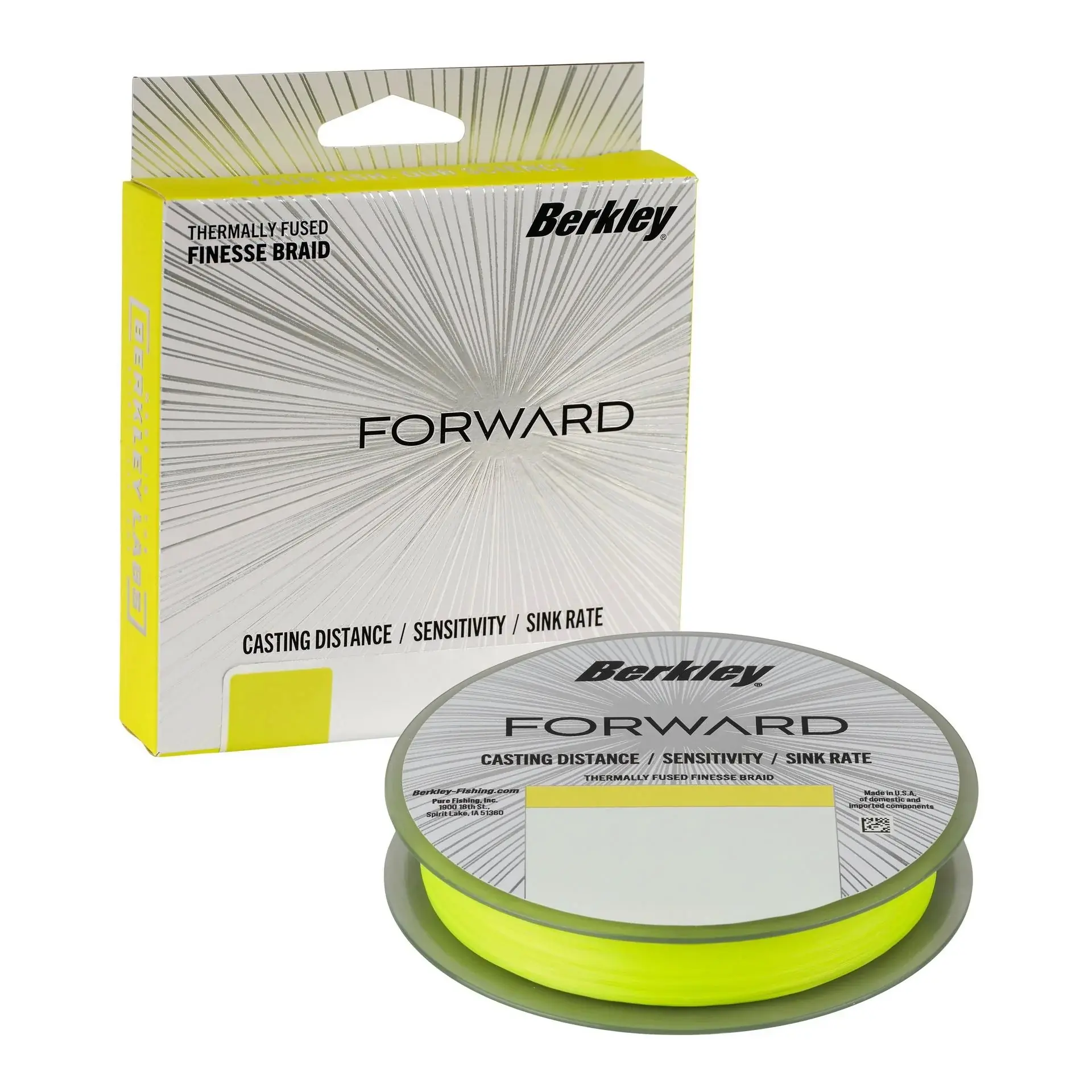
- Berkley Trilene Big Game: Durable and sinks well for deep water fishing.
- SpiderWire Stealth Smooth: Offers smooth casting and sinks steadily.
- PowerPro Spectra: Combines strength with decent sinking properties.
Best Fluorocarbon Lines
Fluorocarbon lines are nearly invisible underwater and sink faster than most monofilament lines. They resist water absorption, making them sink more quickly and stay strong.
| Brand | Product | Key Feature |
|---|---|---|
| Seaguar | InvizX | High sensitivity and fast sinking |
| Berkley | Trilene Fluorocarbon | Strong abrasion resistance |
| Sunline | Super FC Sniper | Low stretch and quick sinking |
| Yo-Zuri | Hybrid Fluorocarbon | Blends strength and invisibility |
Recommended Braided Lines
Braided lines are very strong but usually float. Some braided lines sink faster due to special coatings or blends. They work well for heavy cover and deep water fishing.
| Brand | Product | Sinking Feature |
|---|---|---|
| PowerPro | Maxcuatro | Special coating for faster sinking |
| SpiderWire | Stealth Braid | Thin and sinks better than regular braid |
| Fins | Legend Braid | Blended fibers for slow sinking |
Frequently Asked Questions
What Type Of Fishing Line Sinks Fastest?
Monofilament and fluorocarbon lines tend to sink faster than braided lines. Fluorocarbon has a higher density, making it ideal for sinking applications. Monofilament sinks slower but still outperforms braided lines in sinking speed.
Does Fluorocarbon Fishing Line Sink Better?
Yes, fluorocarbon fishing line sinks better due to its higher density. It is less buoyant than monofilament and braided lines. This makes it perfect for deep-water fishing and presenting lures at lower depths.
Can Braided Fishing Line Sink In Water?
Braided fishing line generally floats because of its low density. However, it can sink if treated with sinker additives or by using weighted rig setups. Without treatment, braided line remains near the surface.
Why Choose Sinking Line For Fishing?
Sinking lines help present bait or lures at desired depths. They improve control in deep or fast currents. Using sinking line increases the chances of reaching fish hiding near the bottom.
Conclusion
Fishing lines sink because of their material and thickness. Denser lines like fluorocarbon sink faster than nylon or braided lines. Choosing the right line affects how your bait moves in water. Sinking lines help reach deeper fish quickly. Floating lines work best near the surface.
Understanding these basics improves your fishing success. Try different lines to see what fits your style. Remember, the right line makes fishing easier and more fun. Keep experimenting and enjoy every moment on the water.