Are you tired of spending hours on the water without a single bass bite? Choosing the right fishing lure can make all the difference between an empty line and a successful catch.
But with so many options out there, how do you know which lure will work best for bass? This guide will help you pick the perfect lure that matches your fishing spot, the time of year, and the bass’s mood.
Keep reading, and you’ll discover simple tips to boost your chances of landing that big bass you’ve been dreaming of.
Credit: www.outdoorlife.com
Best Lures For Bass Fishing
Bass fishing needs the right lure to catch more fish. Different lures work best in certain water and weather conditions.
This guide covers popular lures that help you attract bass easily. Learn which bait fits your fishing style.
Top Hard Baits
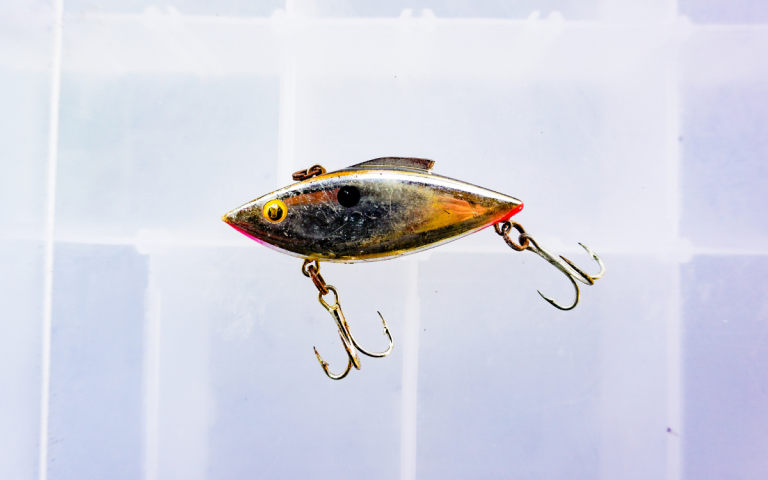
Hard baits look like small fish or creatures that bass eat. They come in many shapes and colors to match local prey.
- Crankbaits dive to different depths and create vibration.
- Topwater plugs float and make splashes to attract bass.
- Jerkbaits mimic injured fish with their erratic movement.
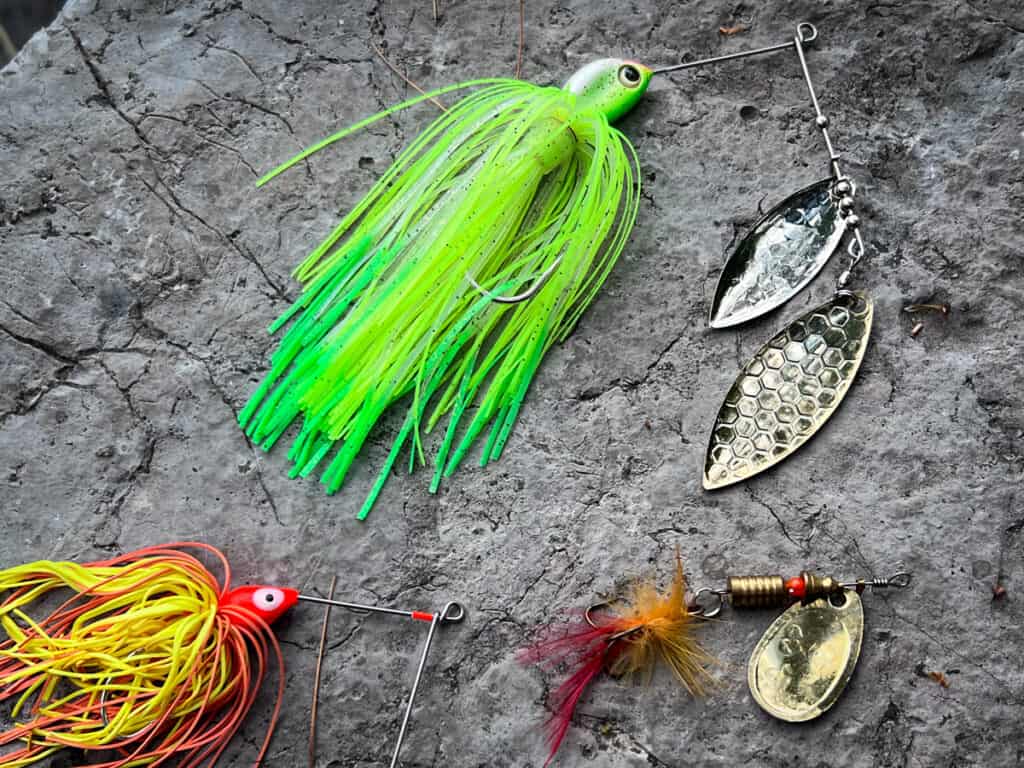
- Spinnerbaits have blades that flash and spin to catch attention.
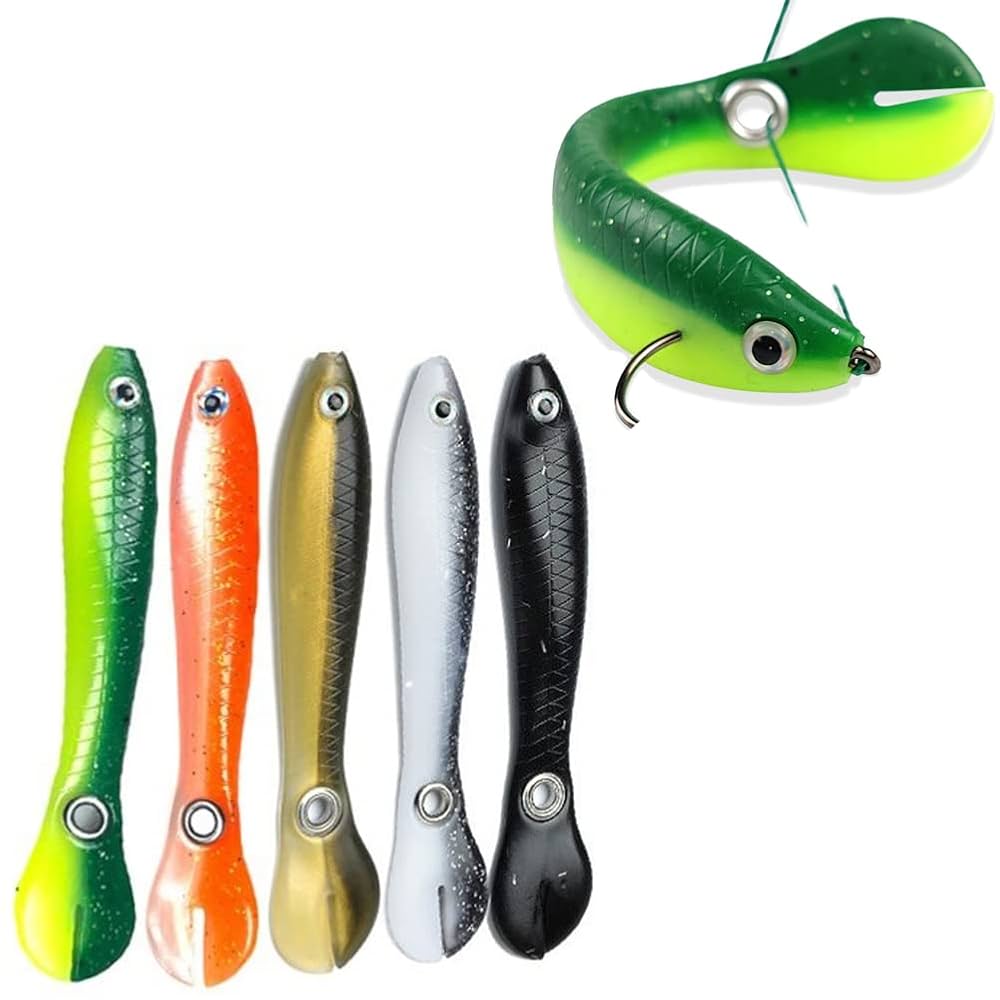
Effective Soft Plastics
Soft plastics feel natural to bass and move well in the water. They work for slow or fast fishing.
| Type | Best Use | Color |
| Worms | Flipping and pitching near cover | Green pumpkin, black |
| Creature baits | Imitate crawfish near rocks | Brown, orange |
| Swimbaits | Slow retrieves in clear water | White, shad colors |
| Grubs | Jig trailers for added action | Chartreuse, pink |
Favorable Spinnerbaits
Spinnerbaits work well in murky water and around weeds. Their spinning blades shine and create noise.
- Choose silver blades in clear water for flash.
- Use gold blades in stained water for better visibility.
- Try a slow or fast retrieve to match bass mood.
- Pair spinnerbaits with a soft plastic trailer for extra movement.
Popular Jigs
Jigs are versatile and work all year. They mimic crawfish or injured baitfish near the bottom.
- Use a jig with a skirt to create bulk and movement.
- Try a football jig for rocky bottoms and strong currents.
- Choose a finesse jig in smaller sizes for pressured bass.
- Match jig color to local forage for best results.

Credit: wildoutdoor.org
Choosing Lures By Water Conditions
Selecting the right fishing lure for bass is key to success. Water conditions play a big role in this decision.
Different water types require unique lure choices. Let’s explore what works best for each condition.
Clear Water Options
In clear water, bass can see well. This means your lure needs to look natural.
- Use translucent or light-colored lures.
- Choose lures with a subtle action.
- Natural patterns are effective.
Murky Water Choices
In murky water, bass rely more on sound and vibration. Lures that make noise attract their attention.
Consider spinnerbaits or crankbaits. Their movements can help bass locate them easily.
Cold Water Lures
In cold water, bass are less active. Slow-moving lures are ideal for this condition.
| Lure Type | Action |
| Jigs | Slow and steady |
| Spoons | Fluttering |
| Soft plastics | Subtle wiggling |
Warm Water Techniques
Warm water makes bass more active. Fast-moving lures are effective in these conditions.
- Use topwater lures for excitement.
- Try buzzbaits to provoke strikes.
- Fast-moving crankbaits work well.
Lure Colors That Attract Bass
Choosing the right lure color is important for catching bass. Different colors work best in different water and light conditions.
Knowing which colors attract bass can help you catch more fish. Here are some color patterns to consider.
Natural Color Patterns
Natural colors look like real baitfish or insects. These colors blend well in clear water and bright light.
Using natural colors helps bass see the lure as real food. Common natural colors include green, brown, and silver.
- Green pumpkin
- Watermelon
- Shad (silver and gray)
- Brown crawfish
- Bluegill patterns
Bright And Vibrant Colors
Bright colors work well in murky or stained water. They catch bass attention even when visibility is low.
Use colors like chartreuse, bright orange, and hot pink to stand out. These colors make your lure easy to spot.
- Chartreuse
- Bright orange
- Fluorescent yellow
- Hot pink
- Neon green
Matching Hatch Colors
Matching hatch means using lure colors that look like local baitfish or insects. This works well when bass feed on specific prey.
Observe what bass are eating in your fishing spot. Then pick lure colors that match those creatures for better results.
- Match small baitfish colors like silver or blue
- Use insect colors like brown or tan during hatches
- Copy crawfish colors in rocky areas
- Adjust colors with the seasons and water clarity
Seasonal Lure Strategies
Choosing the right fishing lure for bass depends on the season. Each time of year changes bass behavior and water conditions. Knowing which lures work best helps catch more fish.
This guide covers effective lures for spring, summer, fall, and winter bass fishing. Use these tips to match your lure to the season.
Springtime Lure Picks
In spring, bass come shallow to feed after winter. Use lures that mimic small baitfish and frogs. Bright colors and natural patterns work well in clear water.
- Spinnerbaits with white or chartreuse skirts
- Jigs with crawfish trailers
- Topwater frogs near vegetation
- Crankbaits that run shallow
Summer Bass Baits
Summer bass hide in shade and deep water. Use lures that reach deeper or stay cool near cover. Slow movements often trigger bites in hot water.
| Lure Type | Best Use | Color |
| Texas-rigged soft plastic worm | Near weeds and structure | Green Pumpkin |
| Deep diving crankbait | Open water, deep areas | Bluegill |
| Weighted swimbait | Slow retrieves near brush | Natural baitfish |
| Topwater popper | Early morning or late evening | Black or red |
Fall Fishing Lures
In fall, bass feed aggressively to prepare for winter. Use fast-moving lures and those that imitate fleeing baitfish. Bright colors and noisy lures attract attention.
- Crankbaits with loud rattles
- Spinnerbaits in bright colors like orange and chartreuse
- Swimbaits with strong swimming action
- Jerkbaits with erratic motion
Winter Techniques
Winter bass are sluggish and stay deep. Use small, slow lures that imitate slow prey. Keep your presentation steady and avoid fast retrieves.
| Lure | Tip |
|---|---|
| Jig with small plastic trailer | Slow lift and drop near bottom |
| Drop shot rig | Keep bait just off the bottom |
| Slow-moving blade bait | Gentle retrieves with pauses |
| Small crankbait | Use shallow diving models in warmer spots |
Tips For Using Bass Lures
Choosing the right lure is key to catching bass. Different lures work best in different situations.
Understanding how to use lures helps improve your chances of success on the water.
Retrieval Techniques
How you retrieve your lure affects bass interest. Try steady, slow pulls to mimic natural prey.
Vary your speed and pauses to find what triggers bites.
- Slow and steady retrieves work well in cold water
- Fast retrieves can excite bass in warmer water
- Use twitching or jerking motions for more action
Adjusting To Bass Behavior
Bass change behavior based on weather and water conditions. Watch how they respond to your lure.
Change lure size or color if bass seem uninterested or shy away.
- Use smaller lures when bass are feeding on small baitfish
- Choose darker colors in murky water for better visibility
- Bright colors work well in clear water and bright sunlight
Combining Lures For Success
Using more than one lure type can increase your chances of catching bass. Try combinations that mimic real bait.
Switch between lures to find what the bass prefer that day.
- Pair a spinnerbait with a soft plastic worm for variety
- Use crankbaits along with jigs to cover different depths
- Try topwater lures early and late in the day
Credit: bushlife.ca
Frequently Asked Questions
What Is The Best Bass Fishing Lure For Beginners?
The best lure for beginners is a plastic worm. It’s versatile, easy to use, and effective in most bass habitats. It mimics natural prey and attracts bass without complex techniques. Beginners can fish it slowly or with subtle twitches for great results.
Which Lure Works Best For Bass In Clear Water?
In clear water, use natural-colored lures like shad or bluegill patterns. These realistic colors blend with the environment and trigger strikes. Crankbaits and spinnerbaits with subtle flashes also perform well by mimicking local baitfish accurately.
When Should I Use Topwater Lures For Bass?
Use topwater lures during low light periods like early morning or late evening. They create surface disturbances that attract aggressive bass. Topwater lures work best in warm weather and around vegetation or shallow structures where bass hunt near the surface.
How To Choose The Right Size Bass Fishing Lure?
Choose lure size based on bass prey size and water clarity. Use smaller lures in clear water and larger lures in murky water. Match the lure to the bass’s typical forage to increase strike chances and adapt based on bass activity.
Conclusion
Choosing the right fishing lure helps catch more bass. Different lures work best in different water and weather. Try soft plastics for slow bites and crankbaits for fast action. Match lure color to water clarity for better results. Change your lure if bass do not bite quickly.
Keep your tackle simple and watch how fish react. Enjoy the process and learn what works for you. Good fishing comes with patience and practice.