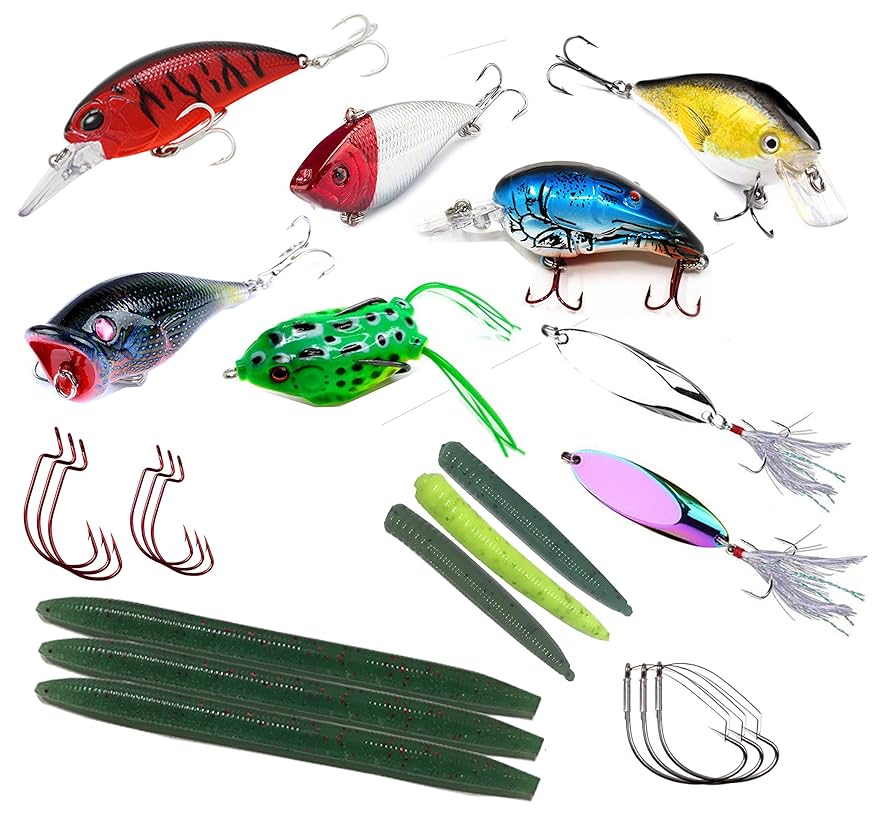
When it comes to catching bass, choosing the right fishing lure can make all the difference between a quiet day on the water and an exciting string of bites. You might have tried different baits before, but are you really using the best one for your spot and conditions?
You’ll discover how to pick the perfect lure that matches the bass’s mood and behavior. Keep reading, and you’ll learn simple tips that could turn your next fishing trip into a success story you’ll want to share.

Credit: www.amazon.com
Top Bass Lure Types
Choosing the right fishing lure can help you catch more bass. Different lures work better in various water conditions and times of the year.
This guide covers the top bass lure types to help you decide what to use on your next fishing trip.
Crankbaits
Crankbaits mimic small fish and can dive to different depths. They create vibrations that attract bass from a distance.
Spinnerbaits
Spinnerbaits have spinning blades that flash in the water. This flash and vibration attract bass in murky water or low light.
- Use silver blades for clear water
- Try gold blades in stained water
- Retrieve slowly near cover
Soft Plastics
Soft plastics are flexible and come in many shapes like worms, crawfish, and grubs. They offer a natural feel that bass like.
Jigs
Jigs have a weighted head and a skirt that moves in the water. Bass often bite jigs around rocks and heavy cover.
| Lure Type | Best Use | Water Condition |
| Crankbaits | Covering water fast | Clear to stained |
| Spinnerbaits | Low light or murky water | Stained to muddy |
| Soft Plastics | Slow presentations | All conditions |
| Jigs | Heavy cover and structure | All conditions |
| Topwater Lures | Surface strikes | Calm water |
Topwater Lures
Topwater lures float on the surface and create splashes or noise. Bass strike them in shallow water early morning or late evening.

Credit: www.henry-gilbey.com
Choosing Lures By Season
Fishing for bass changes with the seasons. Each season affects bass behavior and where they hide.
Choosing the right lure for each season helps catch more bass. Let’s look at the best lure choices by season.
Spring Strategies
In spring, bass move to shallow water to spawn. They are active and hungry after winter.
Use lures that imitate small fish and frogs. Bright colors work well in clear water.
- Spinnerbaits with bright blades
- Plastic worms in natural colors
- Frog lures near vegetation
- Crankbaits in shallow depths
Summer Techniques
Summer bass move to deeper water or shady spots to stay cool. They feed less but still bite well.
Slow down your lure speed and use heavier baits to reach deep bass. Dark colors work well.
- Jigs with soft plastic trailers
- Deep diving crankbaits
- Heavy worms in green or black
- Topwater lures early morning or late evening
Fall Patterns
In fall, bass eat a lot to prepare for winter. They stay near baitfish schools in open water.
Use fast-moving lures that mimic fleeing fish. Bright and flashy colors attract bass well.
- Shad-colored crankbaits
- Spoons with shiny finishes
- Spinnerbaits with silver blades
- Swimbaits in natural fish colors
Winter Approaches
Winter bass are slow and stay deep. They eat less and need slow lure action.
Use small, subtle lures with light colors. Slow retrieves work best to attract cold bass.
- Small jigs in white or chartreuse
- Slow-rolled spinnerbaits
- Soft plastic tubes or grubs
- Blade baits with slow lift and drop
Matching Lures To Water Conditions
Choosing the right fishing lure helps catch more bass. Water conditions change what lure works best.
Clear or murky water and depth affect lure color and type. Use lures that stand out in each condition.
Clear Water Choices
In clear water, bass can see lures easily. Natural colors and subtle actions work well.
Use lures that look like real baitfish or insects to avoid spooking bass.
- Soft plastics in green pumpkin or brown shades
- Crankbaits with transparent or silver finishes
- Topwater lures in natural frog or baitfish colors
Murky Water Options
In murky water, bass rely more on smell and vibration. Bright colors help bass find your lure.
Use lures that make noise or create strong movement to attract bass.
- Spinnerbaits with large blades for vibration
- Bright colored plastic worms in chartreuse or white
- Jigs with rattles or flashy skirts
Shallow Vs. Deep Water
Shallow water needs lures that move quickly and stay near the surface. Deep water requires slow, heavy lures.
Adjust your lure type and weight based on how deep the bass are hiding.
- Shallow: topwater plugs, buzzbaits, light jigs
- Deep: heavy crankbaits, weighted soft plastics, deep-diving plugs

Credit: wildoutdoor.org
Color Selection Tips
Choosing the right lure color can help you catch more bass. Color affects how bass see the lure in water.
Different colors work better in different water and weather conditions. Let’s explore how to pick the best colors.
Natural Vs. Bright Colors
Natural colors look like real fish or insects. They work well in clear water and calm conditions.
Bright colors stand out more. Use them in murky water or when bass are more active.
- Natural colors: browns, greens, and silvers
- Bright colors: chartreuse, bright orange, and hot pink
- Natural colors are subtle and realistic
- Bright colors help bass notice the lure quickly
Adjusting To Light And Weather
Light and weather affect how bass see colors. Use lighter colors on sunny days and darker colors on cloudy days.
Bright colors work well in low light or rain. Natural colors fit better in bright light and clear water.
- Sunny days: use natural, subtle colors
- Cloudy or rainy days: try bright, flashy colors
- Early morning or late evening: mix natural and bright
- Clear water needs natural colors for realism
- Murky water needs bright colors to attract attention
Retrieval Methods That Work
Choosing the right retrieval method can improve your bass fishing success. Different methods make your lure move in unique ways. Bass respond differently to each style.
Experiment with these retrieval methods to see which one works best in your fishing spot. Pay attention to how bass react to each approach.
Slow And Steady
This method involves a smooth, even retrieve. It mimics a calm baitfish swimming through the water. Use soft plastic worms or crankbaits with this technique.
- Keep a slow speed to keep the lure near cover.
- Use this method in cold water when bass are less active.
- Pause occasionally to make the lure look natural.
- Works well with spinnerbaits and jigs.
Fast And Erratic
This method uses quick, uneven movements to trigger bass strikes. It looks like a fleeing or injured baitfish. Use lures like topwater plugs or spoons.
| Action | Effect |
| Fast retrieve | Excites bass |
| Sudden jerks | Mimics injured prey |
| Short pauses | Tempts strikes |
| Varied speed | Keeps bass guessing |
Pause And Twitch
This method combines stopping and quick twitches of the rod tip. It creates a lure action that looks like a struggling baitfish. Use soft plastics or jerkbaits.
- Retrieve the lure slowly.
- Pause for 1 to 3 seconds.
- Twitch the rod tip sharply to move the lure.
- Repeat pause and twitch to imitate weak prey.
- Effective in clear water and warm weather.
Gear Setup For Lure Fishing
Choosing the right gear is important for bass lure fishing. The right setup helps you cast well and catch more fish.
This guide covers the best rod, reel, and fishing line for bass fishing with lures.
Rod And Reel Choices
A medium to medium-heavy rod works best for bass fishing. It gives good power and control for casting lures.
Spinning reels are easy to use and good for light lures. Baitcasting reels offer better accuracy and control for heavier lures.
- Choose a rod length between 6 to 7 feet for good casting distance.
- Use a fast action rod for better hook sets.
- Spinning reels fit well with light lines and small lures.
- Baitcasting reels work well with heavier lines and big lures.
Line Types And Strengths
Line type affects how you feel the lure and how strong your setup is. Choose a line that fits your fishing style.
Monofilament lines are stretchy and easy to handle. Fluorocarbon lines are less visible under water. Braided lines are very strong but thicker.
| Line Type | Strength | Best Use |
|---|---|---|
| Monofilament | 8-12 lb test | General bass fishing with soft lures |
| Fluorocarbon | 10-14 lb test | Clear water and finesse fishing |
| Braided | 20-30 lb test | Heavy cover and big lures |
Common Mistakes To Avoid
Choosing the right fishing lure for bass is important. Many anglers make simple mistakes that reduce their catch.
Avoiding these errors can help you catch more bass and enjoy fishing more.
Overusing One Lure
Using the same lure all the time can make bass less interested. Bass get used to one type of lure quickly.
Try changing your lure often to keep bass curious and ready to bite.
- Switch lures if bass stop biting
- Use different shapes and colors
- Match lures to water and weather
Ignoring Local Conditions
Not paying attention to local water and weather can hurt your fishing. Bass act differently in warm or cold water.
Choose lures based on water clarity, temperature, and time of day for better results.
- Use bright lures in clear water
- Pick dark lures in murky water
- Match lure size to local baitfish
- Change lures with weather shifts
Frequently Asked Questions
What Is The Best Fishing Lure For Bass?
The best fishing lure for bass depends on water conditions. Popular choices include plastic worms, crankbaits, and spinnerbaits. Use plastic worms for clear water and crankbaits in murky water. Spinnerbaits work well in heavy cover where bass hide.
When Should I Use A Topwater Lure For Bass?
Use topwater lures early morning or late evening when bass feed near the surface. They create splashes and vibrations that attract bass. This lure is effective in warm weather and around vegetation or logs where bass hide.
How Do Crankbaits Attract Bass Effectively?
Crankbaits mimic injured baitfish, triggering bass to strike. Their wobbling motion and diving depth can be adjusted to match bass habits. They work best in open water and are ideal for covering large areas quickly.
Which Lure Color Works Best For Bass Fishing?
Choose lure colors based on water clarity. Use natural colors like green or brown in clear water. Bright colors like chartreuse or orange work better in murky or stained water. Match the lure color to local baitfish for best results.
Conclusion
Choosing the right bass fishing lure can make a big difference. Different lures work best in different water and weather conditions. Try different types to see what bass prefer that day. Small changes can bring more bites. Practice and patience help you learn which lure works best.
Keep your tackle box ready with a variety of lures. Enjoy your time on the water and catch more bass!