
If you have cats at home, you know how important it is to keep your floors clean and safe. But have you ever stopped to think about what’s in your floor cleaner?
Many common cleaning products contain chemicals that can harm your furry friends. You want a cleaner that not only leaves your floors spotless but also keeps your cats safe and healthy. You’ll discover which floor cleaners are truly safe for cats and how to choose the best one for your home.
Keep reading to protect your pets without sacrificing cleanliness.

Credit: supertails.com
Risks Of Common Floor Cleaners
Many common floor cleaners contain chemicals that can harm cats. These cleaners can leave residues that pets lick or walk through. Cats are curious and often groom themselves, increasing their risk of poisoning. Choosing the wrong cleaner can cause health problems in your feline friends. Understanding the risks helps keep your home safe and your cats healthy.
Toxic Ingredients To Avoid
- Ammonia:Can irritate cats’ eyes and respiratory system.
- Phenols:Found in pine and disinfectant cleaners; toxic to cats.
- Bleach:Causes burns and respiratory issues in cats.
- Quaternary ammonium compounds:Harmful to cats if ingested or inhaled.
- Essential oils:Some oils like tea tree and eucalyptus are poisonous to cats.
Symptoms Of Poisoning In Cats
- Drooling or excessive salivation
- Vomiting or diarrhea
- Coughing or difficulty breathing
- Lethargy or weakness
- Swelling or redness on paws or mouth
- Tremors or seizures in severe cases
Safe Cleaning Ingredients
Choosing safe cleaning ingredients is vital for homes with cats. Many common cleaners contain chemicals harmful to pets. Cats often walk on floors and lick their paws. Toxic substances can enter their bodies this way. Selecting non-toxic cleaners protects your cat’s health.
Natural And Non-toxic Options
Natural cleaners use plant-based ingredients. They avoid harsh chemicals like ammonia or bleach. Vinegar, baking soda, and lemon are popular safe options. These ingredients clean effectively without risk. Essential oils can be dangerous, so use them with caution. Look for products labeled “pet-safe” or “non-toxic.” Homemade solutions are also safe when made correctly.
How To Read Labels For Pet Safety
Read product labels carefully before buying. Avoid cleaners with phenols, formaldehyde, or sodium hydroxide. These chemicals can cause poisoning or skin irritation. Check for warnings about pets or animals on the label. Look for certifications from pet safety organizations. Ingredients listed as “fragrance” might hide harmful chemicals. Choose products with simple, natural ingredient lists.
Top Pet-friendly Floor Cleaners
Keeping your floors clean without putting your cat’s health at risk can feel tricky. Many floor cleaners contain chemicals that are harmful to pets, so choosing the right one is essential. Luckily, there are safe options that keep your home spotless and your feline friend safe.
Best Commercial Products
There are several commercial floor cleaners specifically designed to be pet-friendly. These products avoid harsh chemicals like ammonia, bleach, and phenols, which can irritate or poison cats.
- Better Life Natural Floor Cleaner:Made with plant-based ingredients, it cleans effectively and leaves no harmful residue.
- Method Squirt + Mop Hard Floor Cleaner:This cleaner uses non-toxic ingredients and has a pleasant natural scent that won’t bother your cat.
- ECOS Pet Stain & Odor Remover:Besides cleaning, it neutralizes odors safely, perfect if your cat has accidents on the floor.
Have you noticed how some cleaners leave a strong smell that makes your cat avoid certain rooms? Choosing a product with a mild scent can help your pet feel more comfortable in your home.
Diy Pet-safe Floor Cleaner Recipes
Making your own floor cleaner is not only budget-friendly but also lets you control what’s in it. Simple ingredients like vinegar, baking soda, and essential oils can create a safe and effective cleaner.
- Vinegar and Water Solution:Mix 1 cup of white vinegar with 1 gallon of warm water. This solution cleans well and is safe once it dries.
- Baking Soda Boost:Add 2 tablespoons of baking soda to the vinegar-water mix for extra scrubbing power.
- Essential Oil Addition:Add a few drops of lavender or chamomile oil for a gentle scent. Avoid citrus oils as they can be toxic to cats.
When you make your own cleaner, you can adjust the recipe based on your cat’s reactions. If your pet seems uneasy, try reducing the essential oils or switching to milder scents. Have you ever tried a homemade cleaner and noticed your pet’s behavior change?

Credit: tiffycooks.com
Cleaning Tips For Cat Owners
Caring for your cat means choosing the right cleaning methods. Cats are sensitive to many chemicals in cleaners. Using safe products keeps your home fresh and your pet healthy. Simple habits help avoid risks and keep floors spotless.
Safe Cleaning Practices
Select cleaners without harsh chemicals or strong scents. Natural options like vinegar and baking soda work well. Always dilute cleaners to reduce their strength. Rinse floors well after cleaning to remove residue. Avoid ammonia, bleach, and phenols; these harm cats. Test new products in small areas first. Use microfiber mops for gentle, effective cleaning.
Keeping Cats Away During Cleaning
Keep cats in a separate room while cleaning. Close doors or use baby gates to block access. Wait until floors dry completely before letting cats back. Store cleaning supplies out of reach and locked away. Use fans or open windows to speed drying. Watch for signs of discomfort or unusual behavior after cleaning. Create a safe, calm space for your cat during chores.
Alternatives To Liquid Floor Cleaners
Finding alternatives to liquid floor cleaners is essential if you want to keep your home safe for your cats. Many traditional cleaners contain chemicals that can harm curious pets who walk and lick their paws on treated floors. Luckily, there are safer options that still keep your floors spotless without risking your furry friend’s health.
Steam Cleaning Benefits
Steam cleaning uses only water heated to high temperatures to clean and disinfect floors. This means no harsh chemicals, making it much safer for cats. The heat kills bacteria and removes dirt effectively, leaving your floors fresh and sanitary.
One surprising benefit is how fast the floors dry after steam cleaning. This reduces the chance of your cat stepping on a wet surface, which they usually dislike. Have you noticed how your pets avoid damp floors? Steam cleaning helps avoid that discomfort.
Additionally, steam cleaners can reach into grout lines and crevices that mops often miss. This deep clean ensures your home stays healthier for both you and your pets. It’s a simple way to keep your environment safe without sacrificing cleanliness.
Using Microfiber Mops
Microfiber mops are another excellent alternative to liquid cleaners. They use a special fabric that attracts and traps dirt, dust, and hair without needing chemical solutions. This makes them perfect for homes with pets.
What’s more, microfiber mops require less water, which means quicker drying times and less chance for your cat to encounter slippery floors. They are lightweight and easy to use, making your cleaning routine faster and more efficient.
You can even add a few drops of pet-safe essential oils like lavender or chamomile to the mop water for a fresh scent. This way, your floors stay clean, smell pleasant, and remain safe for your cats to roam freely.
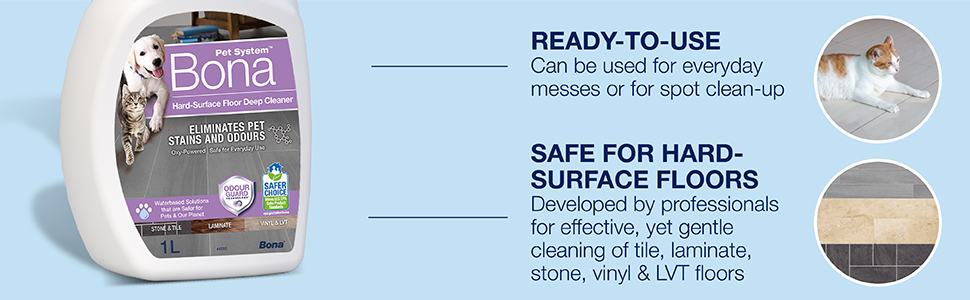
Credit: www.bona.com
Frequently Asked Questions
What Floor Cleaner Is Non-toxic For Cats?
Non-toxic floor cleaners for cats include vinegar and water solutions, and enzyme-based cleaners. Avoid ammonia or bleach. These options effectively clean without harming your cat’s health or irritating their paws.
Can Natural Ingredients Clean Floors Safely Around Cats?
Yes, natural ingredients like vinegar, baking soda, and mild castile soap clean floors safely. They are free from harsh chemicals and reduce risks of toxicity or allergic reactions in cats.
How To Choose A Cat-safe Floor Cleaner?
Choose floor cleaners labeled as pet-safe or non-toxic. Check ingredients for harmful chemicals like phenols, ammonia, or bleach. Opt for products with natural, gentle cleaning agents to protect your cat’s health.
Is Vinegar Safe To Use For Cleaning Floors With Cats?
Yes, diluted vinegar is safe and effective for cleaning floors around cats. It kills germs naturally without harmful chemicals. Always rinse floors well and keep cats away during cleaning.
Conclusion
Choosing the right floor cleaner ensures your cat’s safety. Always check labels for pet-friendly ingredients. Avoid harsh chemicals that harm your furry friend. Natural cleaners often work best for pet households. They clean effectively and protect your cat. Research and read reviews before buying.
Discuss with fellow cat owners for recommendations. Keep your cat’s health a top priority. Safe cleaning leads to a happy home. Cats are curious. They explore and play on floors. Ensure their environment is safe and clean. A little caution goes a long way.
Prioritize your pet’s well-being always.