Have you ever wondered how your microwave oven heats your food so quickly? The secret lies in the frequency it uses to cook your meals.
Understanding what frequency microwave ovens use can help you see why they work the way they do—and why they are safe and efficient for your kitchen. You’ll discover the exact frequency behind your microwave’s power and what it means for your everyday cooking.
Keep reading to unlock the science behind the buzz and make the most of your microwave oven!
Microwave Oven Frequency Range
Microwave ovens are a staple in most kitchens today. They rely on specific frequency ranges to cook food efficiently. Understanding these frequencies helps us grasp how microwave ovens work.
Common Frequency Bands
Microwave ovens typically operate around 2.45 gigahertz (GHz). This frequency band is ideal for heating food quickly. It causes water molecules in food to vibrate, generating heat. This band is commonly used worldwide for microwave ovens.
International Frequency Standards
International standards ensure microwave ovens operate safely. The 2.45 GHz frequency is part of the Industrial, Scientific, and Medical (ISM) radio bands. These standards prevent interference with other devices. This global consistency ensures microwave ovens are safe and efficient everywhere.
Credit: shop.sharpusa.com
How Microwaves Heat Food
Understanding how microwaves heat food can change the way you use your microwave oven every day. It’s not just magic; it’s science working behind the scenes. Knowing this helps you cook smarter and avoid common mistakes like uneven heating.
Interaction With Water Molecules
Microwaves emit electromagnetic waves at a frequency that specifically targets water molecules in your food. These water molecules are polar, meaning they have a positive end and a negative end.
As microwaves pass through the food, they cause these molecules to rotate rapidly. This movement creates friction between molecules, which produces heat. You might notice that foods with higher water content heat faster, and now you know why.
Energy Absorption And Heat Generation
When water molecules absorb microwave energy, their rapid movement turns into heat energy. This heat then spreads to the surrounding food, cooking it from the inside out.
Think about how a cold slice of watermelon warms quickly in the microwave—this is because the water inside absorbs energy efficiently. This process is different from traditional ovens, which heat food from the outside in.
Why Specific Frequencies Are Chosen
Microwave ovens use specific frequencies to heat food efficiently and safely. The chosen frequency affects how microwaves interact with water molecules inside the food. Selecting the right frequency ensures quick cooking and reduces energy waste. It also helps meet safety rules set by authorities. Understanding why these frequencies matter reveals the science behind your everyday microwave.
Efficiency In Heating
Microwaves heat food by making water molecules vibrate. The frequency must match the natural vibration of water. This match creates heat inside the food quickly. Too low or too high frequency wastes energy and heats unevenly. The standard frequency, about 2.45 gigahertz, balances deep and surface heating. It cooks food evenly and saves electricity. This frequency is also good for many types of food.
Safety And Regulatory Factors
Microwave frequencies must follow strict safety rules worldwide. Some frequencies interfere with communication signals, so they are banned for cooking. The chosen frequency avoids disrupting radios, phones, and other devices. Governments assign specific bands for microwave ovens to protect public health. Using standard frequencies helps manufacturers design safe, approved appliances. This reduces risk of harmful radiation leaks. It keeps users safe during normal operation.
Frequency And Microwave Oven Design
The frequency used in microwave ovens is a key factor in their design and efficiency. It directly affects how the appliance heats your food and how safe it is to operate. Understanding this frequency helps you appreciate the technology behind a simple kitchen tool you use every day.
Magnetron Function
The magnetron is the heart of a microwave oven. It generates microwaves at a frequency around 2.45 GHz, a standard chosen to optimize energy absorption by water molecules in food.
This frequency isn’t random; it’s carefully picked to maximize heating efficiency without causing damage to the oven or the food. If you’ve ever noticed how quickly your leftovers heat up, thank the magnetron and its frequency choice for that.
Waveguide Role
The waveguide directs microwaves from the magnetron into the cooking chamber. Its design ensures that the energy spreads evenly, preventing cold spots in your food.
Without a well-designed waveguide, microwaves could bounce around unpredictably, leading to uneven cooking. Have you ever wondered why some parts of your meal stay cold while others are hot? The waveguide’s role is crucial in solving that problem.
Variations In Frequency Across Models
Microwave ovens operate primarily around a specific frequency range, but the exact frequency can vary depending on the model and its intended use. These variations affect how the microwave heats food, its efficiency, and even safety standards. Understanding these differences can help you choose the right oven for your needs or troubleshoot issues more effectively.
Consumer Vs Commercial Ovens
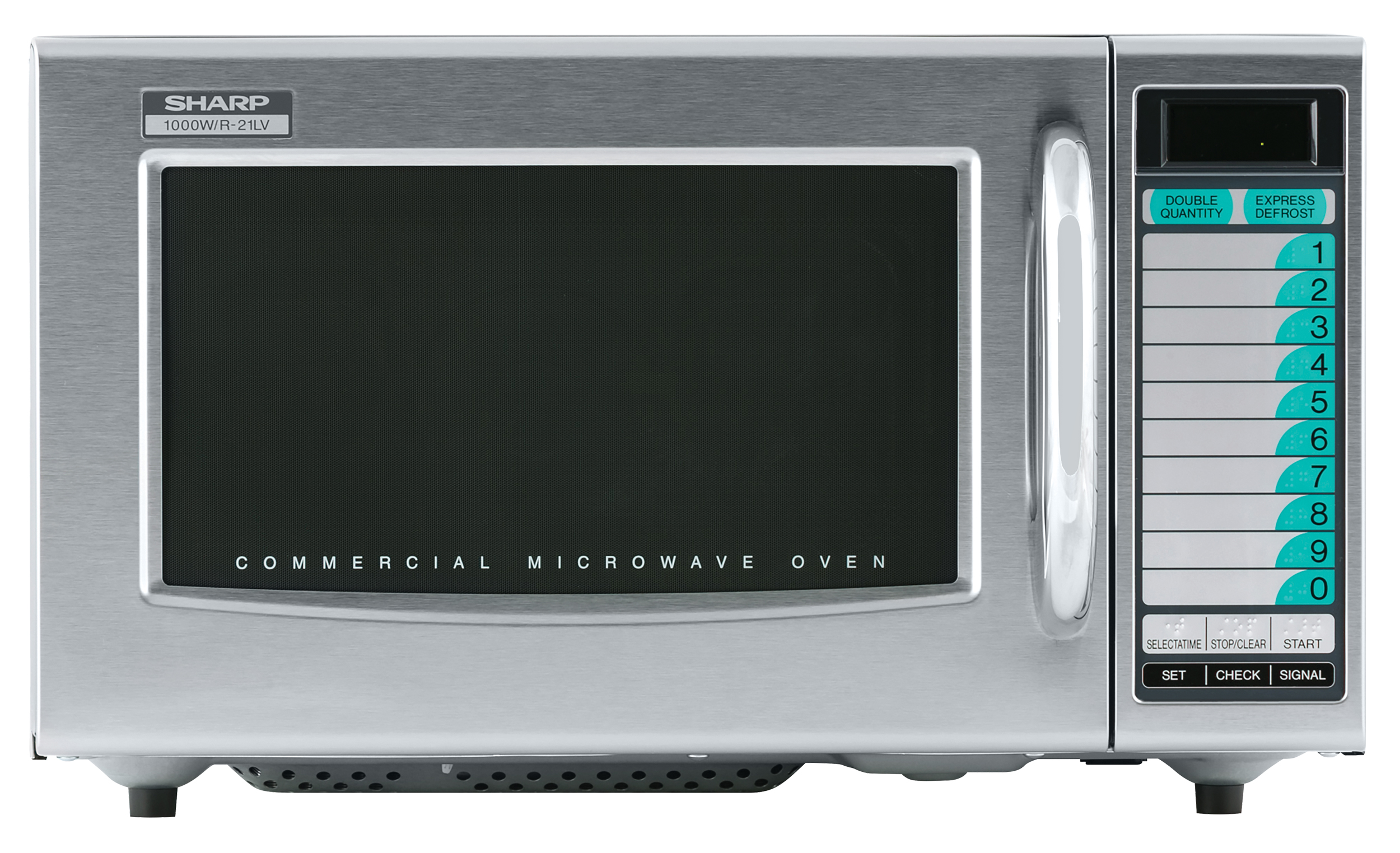
Consumer microwave ovens typically use a standard frequency of 2.45 GHz. This frequency is approved worldwide because it balances effective heating and minimal interference with other devices.
Commercial ovens, however, sometimes operate at slightly different frequencies. Some commercial models use frequencies closer to 915 MHz, which can penetrate food differently and are often more powerful.
Have you noticed how food heats unevenly in some microwaves? This difference in frequency can be a key reason. Commercial ovens at 915 MHz might cook thicker or denser food more evenly compared to the 2.45 GHz consumer models.
Advanced Frequency Technologies
Newer microwave ovens are experimenting with variable frequency technology. Instead of sticking to one frequency, these models adjust frequencies during cooking to improve heat distribution.
This advanced tech can reduce cold spots and overcooked edges, which many users find frustrating. Some manufacturers even combine microwave frequencies with other heating methods for faster and more uniform cooking.
Imagine your microwave adjusting its frequency based on the food type—meat, vegetables, or leftovers—to optimize cooking. This isn’t just a futuristic idea anymore; it’s happening in some high-end models.
Credit: www.britannica.com
Health And Safety Considerations
Understanding the health and safety aspects of microwave ovens is essential for anyone who uses them daily. The frequency microwaves operate at plays a key role in determining their safety for your home and family. Let’s break down some important facts about radiation limits and how the specific frequency affects your safety.
Radiation Exposure Limits
Microwave ovens use a frequency of around 2.45 GHz, which is regulated by strict safety standards worldwide. These standards ensure that the radiation leakage from your microwave stays well below harmful levels. The limits are set by organizations like the FDA and FCC, designed to protect you from any risk of exposure.
Have you ever checked if your microwave door seals properly? A faulty seal can increase radiation leakage, even if the frequency remains the same. Regularly inspecting your appliance can help keep your exposure within safe limits.
Frequency Impact On Safety
The chosen frequency allows microwaves to efficiently heat food without penetrating too deeply into human tissue. This reduces the risk of harmful effects since the waves are mostly absorbed by water molecules in your food, not by your body.
Would using a microwave at a different frequency change safety? In theory, yes. Frequencies too low might not heat food well, while too high could pose greater risks. The current frequency strikes a balance between effective cooking and safety.
Remember, microwave ovens are designed to keep radiation contained inside the cooking chamber. Using the oven as intended and maintaining it well ensures you stay safe while enjoying quick meals.
Future Trends In Microwave Frequencies
Microwave oven frequencies have remained fairly consistent for decades, but the future holds exciting possibilities. Advances in technology and changing consumer needs are pushing the boundaries of how these frequencies might evolve. Understanding these trends can help you anticipate what the next generation of microwave ovens could offer.
Emerging Technologies
New technologies like smart sensors and adaptive cooking systems are starting to influence microwave design. These innovations require more precise control over frequency usage to optimize cooking efficiency and safety.
You might soon see microwaves that adjust their frequency dynamically based on the food type or moisture content. This can lead to faster cooking times and more evenly heated meals without overcooking edges.
Potential Frequency Shifts
Currently, most microwave ovens operate at around 2.45 GHz, but research is exploring other frequency bands that could improve performance. Frequencies in the range of 5 GHz or even higher might offer better penetration and energy efficiency.
Could shifting frequencies help reduce interference with other wireless devices in your home? Manufacturers are actively looking into this to create microwaves that coexist better with Wi-Fi and Bluetooth signals.
Credit: www.kitchenaid.com
Frequently Asked Questions
What Frequency Do Microwave Ovens Commonly Use?
Microwave ovens typically use a frequency of 2. 45 gigahertz (GHz). This frequency efficiently heats food by agitating water molecules. It is internationally regulated to avoid interference with communication systems.
Why Is 2.45 Ghz Frequency Used In Microwaves?
The 2. 45 GHz frequency strikes a balance between heating efficiency and safety. It effectively penetrates food and heats it evenly. This frequency is also unlicensed for industrial, scientific, and medical use, minimizing interference.
Can Microwave Frequency Affect Cooking Time?
Yes, the microwave frequency influences cooking time. Higher frequencies can heat food faster but may cause uneven cooking. The standard 2. 45 GHz frequency ensures consistent and safe heating for most foods.
Are Microwave Oven Frequencies Regulated Globally?
Yes, microwave frequencies are regulated worldwide. Most countries allocate 2. 45 GHz for microwave ovens under ISM (Industrial, Scientific, Medical) bands. Regulations ensure minimal interference with other wireless devices.
Conclusion
Microwave ovens use a frequency of about 2. 45 gigahertz. This frequency heats food quickly and evenly. It works by making water molecules move fast inside food. This movement creates heat, cooking your meal. Knowing this helps you understand how microwaves work.
It also explains why metal should not go inside. The 2. 45 GHz frequency is safe and efficient for home use. Remember, this simple fact helps you use your microwave better. Easy, fast cooking every time.