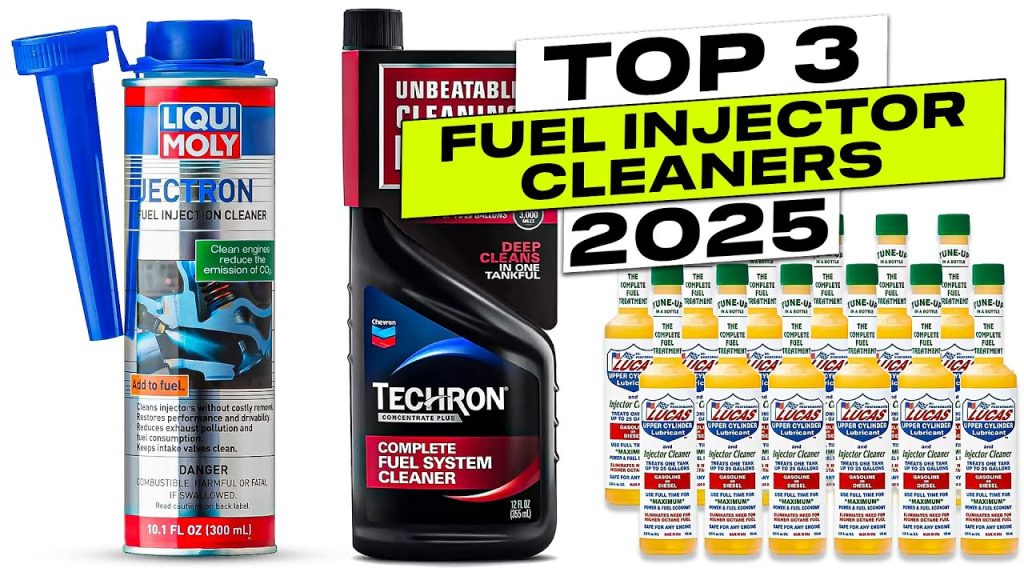
Are you tired of your car not performing at its best? You might be surprised to learn that a dirty fuel system could be holding your vehicle back.
Over time, fuel residues can build up, causing everything from poor fuel efficiency to rough idling. But don’t worry—there’s a simple solution to bring back your car’s power and performance. The right fuel system cleaner can make a world of difference.
But with so many options out there, how do you decide which one is the best for your car? In this blog post, you’ll discover what makes a fuel system cleaner effective and how to choose the best one for your needs. Keep reading to ensure your vehicle runs smoother, cleaner, and more efficiently, saving you money and time in the long run.
Why Fuel System Cleaners Matter
Fuel system cleaners help remove dirt and deposits inside your engine. These deposits build up over time and lower engine performance.
Using a fuel system cleaner keeps your engine parts clean. This helps your car run smoothly and saves fuel.
Impact On Engine Efficiency
Dirty fuel systems cause poor fuel flow and reduce power. Clean fuel systems improve fuel burning and engine power.
Fuel system cleaners remove carbon deposits that block fuel injectors. This helps the engine use fuel more efficiently.
- Improves fuel economy
- Reduces engine knocking
- Increases power output
- Lowers harmful emissions
Signs Your Engine Needs Cleaning
You might need a fuel system cleaner if your engine runs rough or stalls. These signs show fuel delivery problems.
Other signs include poor fuel economy and hard starting. These problems mean your engine parts may be dirty.
- Engine hesitation or misfires
- Reduced fuel efficiency
- Engine warning light on
- Strong fuel smell
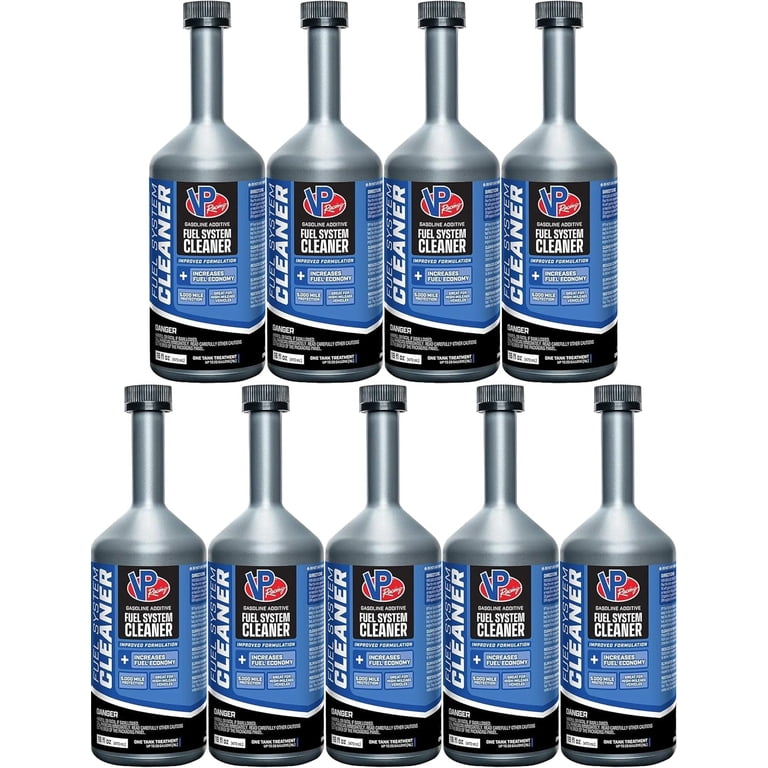
Credit: www.walmart.com
Types Of Fuel System Cleaners
Fuel system cleaners help keep engines running smoothly. They remove deposits that harm performance.
Different cleaners work for different engines and needs. Knowing the types helps you choose right.
Additives For Gasoline Engines
Gasoline engine additives clean fuel injectors and intake valves. They improve fuel flow and engine power.
These cleaners often contain detergents and solvents. They reduce carbon buildup and prevent rough idling.
- Fuel injector cleaners
- Intake valve cleaners
- Combustion chamber cleaners
Diesel Fuel Cleaners
Diesel fuel cleaners remove soot and deposits from injectors and combustion chambers. They help reduce smoke and improve mileage.
These products contain detergents and additives to restore injector spray patterns. They also protect against fuel gelling in cold weather.
- Soot removers
- Injector cleaners
- Anti-gel additives
Professional Fuel System Treatments
Professional treatments are stronger and often used by mechanics. They deeply clean the entire fuel system including injectors and valves.
These treatments may require special tools or equipment. They help fix severe deposits and improve engine performance significantly.
- Fuel system flushes
- Injector ultrasonic cleaning
- Complete fuel line cleaning
Top Fuel System Cleaner Brands
Fuel system cleaners help keep your engine running smoothly. They remove dirt and deposits inside fuel injectors and intake valves.
Choosing the right cleaner depends on your vehicle and budget. Here are some top brands to consider.
Popular Consumer Favorites
Many drivers prefer trusted brands for everyday use. These cleaners are easy to find and work well for most cars.
- Sea Foam Motor Treatment
- Chevron Techron Concentrate Plus
- STP Fuel System Cleaner
These brands help reduce engine knocking and improve fuel economy. They are safe for all gasoline engines.
High-performance Options
For those who want stronger cleaning, high-performance products work well. They remove tough carbon deposits.
- BG 44K Fuel System Cleaner
- Red Line Complete Fuel System Cleaner
- Lucas Upper Cylinder Lubricant and Injector Cleaner
These options help maintain engines under heavy use or high mileage. They often cost more but offer deeper cleaning.
Budget-friendly Choices
Affordable fuel cleaners still provide good results. They are a smart choice for regular maintenance.
- Gumout Fuel System Cleaner
- Marvel Mystery Oil
- Fix It Pro Fuel Injector Cleaner
These brands help improve engine performance without a high price. They work well for most daily drivers.
Choosing The Right Cleaner For Your Vehicle
Fuel system cleaners help keep your engine running smoothly. Picking the right one depends on your vehicle’s needs. Understanding key factors can guide you to the best choice.
Knowing about engine types, how often to use the cleaner, and environmental impact will make your decision easier. Let’s explore these points.
Compatibility With Engine Types
Different engines require different fuel system cleaners. Some cleaners work best for gasoline engines, while others suit diesel engines. Using the wrong type can cause damage or poor results.
| Engine Type | Recommended Cleaner | Notes |
| Gasoline | Petrol-based cleaners | Designed to clean fuel injectors and intake valves |
| Diesel | Diesel-specific cleaners | Helps remove soot and deposits from diesel injectors |
| Hybrid | Check engine type | Use cleaner suitable for the fuel engine type |
Frequency Of Use
How often to use a fuel system cleaner depends on driving habits and vehicle condition. Regular use helps maintain performance. Overuse may harm engine parts.
- Use every 3,000 to 5,000 miles for regular maintenance.
- Use before long trips or after poor fuel quality.
- Follow the cleaner’s label instructions carefully.
Environmental Considerations
Some fuel system cleaners contain chemicals that may affect the environment. Choosing eco-friendly options helps reduce pollution and protect air quality.
| Cleaner Type | Environmental Impact |
| Traditional Solvent-Based | May release harmful chemicals |
| Bio-Based Cleaners | Use natural ingredients, less toxic |
| Low VOC Formulas | Reduce volatile organic compounds |
How To Use Fuel System Cleaners Effectively
Fuel system cleaners help remove deposits inside your engine. Using them right keeps your car running smoothly.
Follow simple steps to apply cleaners safely and avoid damage to the engine.
Step-by-step Application
Start by reading the instructions on the fuel system cleaner bottle carefully. Different products may have specific directions.
- Fill your fuel tank halfway to allow space for the cleaner.
- Pour the recommended amount of cleaner into the fuel tank.
- Refuel to fill the tank completely to mix the cleaner well with the gasoline.
- Drive your car as usual to let the cleaner work through the fuel system.
- Repeat the process every few thousand miles or as directed by the product.
Common Mistakes To Avoid
Using fuel system cleaners incorrectly can harm your engine or reduce their effectiveness.
| Mistake | Why to Avoid | Tip |
|---|---|---|
| Using too much cleaner | Can cause engine damage | Always follow label instructions |
| Adding cleaner to an empty tank | Cleaner may not mix properly | Fill tank halfway first |
| Skipping regular use | Deposits can build up again | Use cleaner regularly as advised |
| Mixing different brands | May cause chemical reactions | Stick to one brand at a time |

Credit: www.youtube.com
Benefits Of Regular Fuel System Maintenance
Keeping your fuel system clean helps your car run better. Dirt and deposits can block fuel flow. Regular cleaning removes these problems.
Fuel system maintenance saves money and protects the engine. It also helps the environment by reducing pollution.
Improved Fuel Economy
A clean fuel system burns fuel more efficiently. This means your car uses less fuel for the same distance. You spend less money on gas.
- Removes clogged fuel injectors
- Improves fuel spray pattern
- Enhances combustion efficiency
Reduced Emissions
Fuel system cleaning lowers harmful gases released from your car. This helps keep the air clean and meets emission rules.
| Emission Type | Effect of Cleaning |
| Carbon Monoxide (CO) | Decreases |
| Nitrogen Oxides (NOx) | Reduces |
| Hydrocarbons (HC) | Lowered |
Extended Engine Life
Fuel system maintenance protects engine parts from damage. Cleaner fuel means less wear and tear on the engine.
Benefits include:
- Fewer engine repairs
- Smoother running engine
- Longer time between major services

Credit: www.ebay.com
Frequently Asked Questions
What Is The Best Fuel System Cleaner For Cars?
The best fuel system cleaner effectively removes deposits, improves engine performance, and boosts fuel efficiency. Popular brands include Chevron Techron, Sea Foam, and BG 44K. Choose one compatible with your vehicle type for optimal results.
How Often Should I Use A Fuel System Cleaner?
Use a fuel system cleaner every 3,000 to 5,000 miles. Regular use prevents buildup, maintains engine efficiency, and reduces emissions. Follow the product instructions for the best schedule.
Can Fuel System Cleaners Improve Fuel Economy?
Yes, fuel system cleaners can improve fuel economy by removing deposits that hinder fuel flow. Cleaner fuel injectors and intake valves help the engine run smoothly and efficiently.
Are Fuel System Cleaners Safe For All Engines?
Most fuel system cleaners are safe for gasoline and diesel engines. Always check the product label for compatibility with your engine type to avoid damage.
Conclusion
Choosing the right fuel system cleaner helps your engine run smooth. It removes dirt and keeps fuel flowing well. Clean fuel systems improve gas mileage and lower emissions. Use the cleaner as the product guide says. Regular care saves money on repairs later.
A good cleaner protects your vehicle’s health. Keep your engine happy with proper maintenance. Simple steps lead to better car performance. Trust products that suit your car type and needs. Your engine will thank you with better power and less trouble.