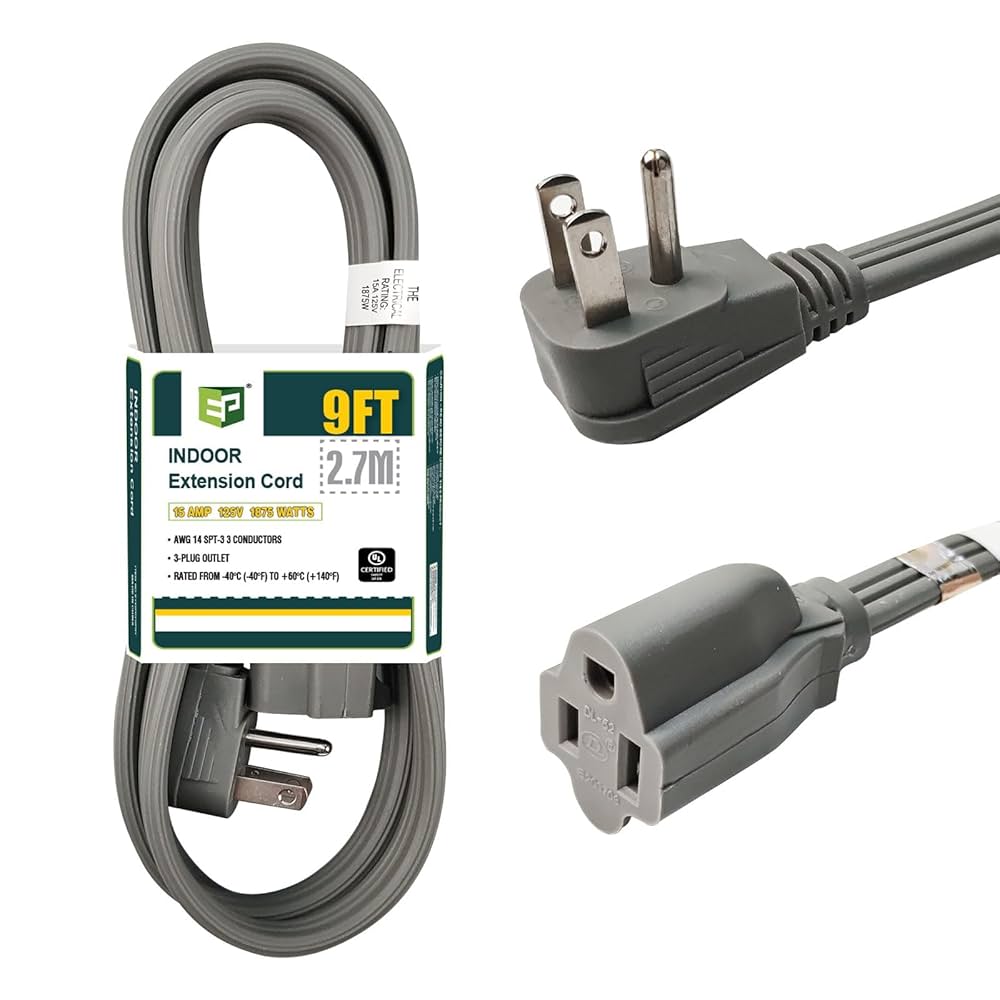
When it comes to running your air conditioner smoothly, choosing the right extension cord might seem like a small detail—but it can make a big difference. You want to keep your cool without worrying about power issues or safety hazards.
But how do you know which gauge extension cord will handle your air conditioner’s power needs safely and efficiently? If you’ve ever wondered about the perfect extension cord for your AC, this guide is for you. Stick with me, and you’ll learn exactly what to look for so your air conditioner runs without a hitch, keeping you comfortable all day long.
Choosing The Right Gauge
Choosing the correct gauge extension cord for your air conditioner is very important. The right gauge ensures your unit runs safely and efficiently. Using the wrong gauge can cause power loss or even damage.
This guide explains how gauge size affects performance, common gauges for air conditioners, and how gauge relates to cord length.
How Gauge Affects Performance
The gauge number shows the thickness of the wire. Lower gauge means thicker wire, which carries more current. Thicker wires reduce voltage drop and keep your air conditioner running well.
Using a thinner wire than needed can cause overheating and reduce the air conditioner’s power. Always pick a gauge that matches your air conditioner’s power needs.
Common Gauge Sizes For Air Conditioners
- 16 gauge: Good for small air conditioners under 500 watts
- 14 gauge: Suitable for units up to 1500 watts
- 12 gauge: Best for medium to large air conditioners over 1500 watts
- 10 gauge: Used for very large units or long cord runs
Gauge And Cord Length Relationship
| Gauge | Max Cord Length (Feet) | Suitable Air Conditioner Size |
|---|---|---|
| 16 | 25 | Small (Under 500W) |
| 14 | 50 | Medium (Up to 1500W) |
| 12 | 100 | Large (Over 1500W) |
| 10 | 150+ | Very Large or Long Distance |
Longer cords need thicker wires to avoid power loss. Check the gauge and length before buying your extension cord.

Credit: www.canadiantire.ca
Air Conditioner Power Requirements
Choosing the right extension cord for your air conditioner is important. The cord must match the power needs of your unit.
Understanding these requirements helps avoid overheating and ensures efficient operation.
Calculating Amperage Needs
Amperage tells you how much current the air conditioner uses. Look at the unit’s manual to find this number.
- Check the air conditioner’s label for amperage.
- Ensure the extension cord supports the same or higher amperage.
- Consider a thicker gauge for higher amperage needs.
Btu Ratings And Electrical Load
BTU ratings indicate cooling power. Higher BTUs mean more electricity is needed.
| BTU Rating | Typical Amperage |
| 5,000 | 5 Amps |
| 10,000 | 10 Amps |
| 15,000 | 15 Amps |
Startup Vs Running Current
Air conditioners need more power to start than to run. This is the startup current.
Types Of Extension Cords
Choosing the right extension cord for your air conditioner is important. Different cords work better in different places. Knowing the types helps you pick the safest and most efficient option.
This guide covers indoor and outdoor cords, material and insulation differences, and safety ratings to look for.
Indoor Vs Outdoor Cords
Indoor cords are made for dry and protected areas. Outdoor cords have stronger insulation and can handle moisture and rough surfaces. Using the wrong cord can cause damage or accidents.
- Indoor cords are lighter and less durable.
- Outdoor cords have thick, weather-resistant jackets.
- Outdoor cords often have a tougher plug design.
- Outdoor cords resist sunlight, rain, and dirt.
Material And Insulation Differences
Extension cords use different materials for wires and insulation. Copper wires are common and conduct electricity well. The insulation type affects safety and cord life.
| Material | Description |
| Copper | Good conductor, common in most cords |
| Aluminum | Lighter but less conductive, less common |
| Vinyl Insulation | Basic protection, mostly indoor use |
| Rubber Insulation | Flexible, good for outdoor use |
| Thermoplastic (TPE) | Strong and weather-resistant |
Safety Ratings To Look For
Check safety ratings to ensure the cord can handle your air conditioner’s power. Ratings show the cord’s capacity and safety features.
- UL (Underwriters Laboratories) Listed means tested for safety.
- CSA (Canadian Standards Association) mark shows compliance in Canada.
- AWM (Appliance Wiring Material) rating indicates indoor use.
- STW or ST (Service Thermoplastic Weather-resistant) means outdoor use.
- Check the amp and watt rating to match your air conditioner’s needs.
Safety Tips For Extension Cord Use
Using the right extension cord for your air conditioner is very important. It keeps you safe and helps the device work well.
Follow these safety tips to avoid accidents and damage while using extension cords.
Avoiding Overheating And Fire Hazards
Choose an extension cord with the correct gauge for your air conditioner. A thicker wire (lower gauge number) carries more power safely.
Do not use cords that are too thin or too long. This can cause the cord to overheat and start a fire.
- Use a 12 or 14-gauge cord for most air conditioners
- Keep the cord length short to reduce power loss
- Never cover the cord with rugs or furniture
Proper Cord Placement
Place the extension cord where it will not get damaged or cause tripping. Avoid areas with heavy foot traffic.
Keep the cord away from water, heat sources, and sharp edges to prevent harm and damage.
- Run cords along walls or under furniture safely
- Use cord protectors if running across floors
- Keep cords dry and away from heat
Signs Of Wear And When To Replace
Check your extension cord often for any damage. Worn cords can cause shocks or fires.
Replace the cord if you see cracks, frays, or exposed wires. Do not use damaged cords even if they still work.
- Look for cuts, cracks, or broken plugs
- Check if the cord feels hot during use
- Replace cords that have damaged insulation
Recommended Extension Cords For Air Conditioners
Choosing the right extension cord for your air conditioner is important for safety and performance. Using the wrong cord can cause overheating or reduce cooling power.
This guide explains the best extension cord gauges and brands suited for different air conditioner sizes. It also shows where to buy quality cords.
Top Brands And Models
Several brands make reliable extension cords that work well with air conditioners. These brands offer cords with good durability and proper wire thickness.
- Iron Forge Cable – Known for heavy-duty extension cords with thick insulation.
- Southwire – Offers cords with good length options and solid gauge wires.
- Amazon Basics – Budget-friendly option with decent quality for smaller AC units.
Best Gauge For Various Ac Sizes
The gauge of an extension cord refers to its wire thickness. Lower gauge means thicker wire and better current flow. Pick the right gauge for your air conditioner’s power needs.
| AC Size (BTU) | Recommended Cord Gauge | Maximum Length |
|---|---|---|
| 5,000 – 8,000 BTU | 16 or 14 gauge | up to 50 feet |
| 8,000 – 12,000 BTU | 14 gauge | up to 50 feet |
| 12,000 – 18,000 BTU | 12 gauge | up to 50 feet |
| 18,000 BTU and above | 10 gauge | up to 50 feet |
Using a cord longer than 50 feet may require a thicker gauge to avoid voltage drop. Always check your air conditioner’s power needs before buying.
Where To Buy Quality Cords
You can find quality extension cords at many stores, both online and offline. Look for cords that meet safety standards and have good reviews.
- Home improvement stores like Home Depot or Lowe’s
- Electronics retailers such as Best Buy
- Online marketplaces like Amazon and Walmart
- Specialty electrical supply shops
Check the cord’s packaging for UL or ETL certification. These marks show the cord meets safety rules.

Credit: www.amazon.ca
Maintenance And Storage
Using the right gauge extension cord for your air conditioner is important. Taking care of your cord keeps it safe and working well.
Good maintenance and proper storage help your extension cord last longer. This saves money and keeps your AC running smoothly.
Cleaning Extension Cords
Keep your extension cords clean to avoid damage. Dirt and dust can cause problems with the cord’s performance.
Use a dry cloth to wipe the cord and plug. Avoid water or cleaning liquids that can cause electrical issues.
- Unplug the cord before cleaning
- Wipe with a dry, soft cloth
- Check for cracks or damage
- Do not use water or chemicals
Proper Storage Techniques
Store your extension cord in a cool, dry place. Keep it away from sunlight and moisture to prevent damage.
Coil the cord loosely to avoid bends or breaks. Use ties or straps to keep it neat without squeezing it tight.
- Choose a dry storage spot
- Avoid direct sunlight
- Coil cord without sharp bends
- Use straps or ties for neat coils
Extending Cord Lifespan
Handle your extension cord carefully to make it last longer. Avoid stepping on it or pulling it hard from the plug.
Regularly check your cord for wear and tear. Replace it if you see any damage to keep your air conditioner safe.
- Do not overload the cord
- Keep it away from sharp objects
- Unplug by holding the plug, not the cord
- Inspect for damage often
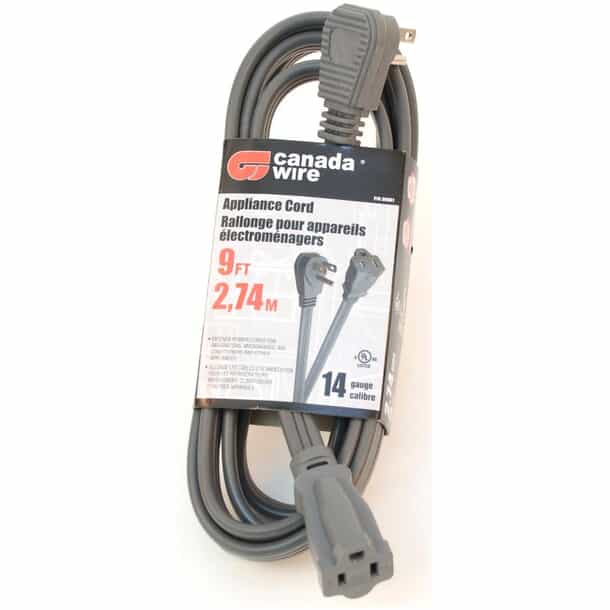
Credit: www.homehardware.ca
Frequently Asked Questions
What Gauge Extension Cord Is Best For Air Conditioners?
A 12-gauge extension cord is ideal for most air conditioners. It safely handles high amperage without overheating, ensuring efficient power delivery.
Can I Use A 14-gauge Cord For My Ac?
Using a 14-gauge cord is not recommended for air conditioners. It may cause voltage drops and overheating, risking damage to the unit.
How Long Can An Extension Cord Be For Ac Units?
Extension cords for ACs should not exceed 25 feet. Longer cords reduce voltage and can lead to poor performance or hazards.
Why Is Cord Gauge Important For Air Conditioners?
Cord gauge affects current flow and safety. Thicker wires (lower gauge) prevent overheating and ensure the air conditioner runs efficiently without power loss.
Conclusion
Choosing the right gauge extension cord keeps your air conditioner safe. Thicker cords carry more power without heating up. A 12 or 14 gauge cord often works best for most AC units. Avoid thin cords that can cause power loss or fires.
Always check your air conditioner’s power needs first. Using the correct cord helps your AC run smoothly and lasts longer. Safe and simple—just what you need for cool comfort.