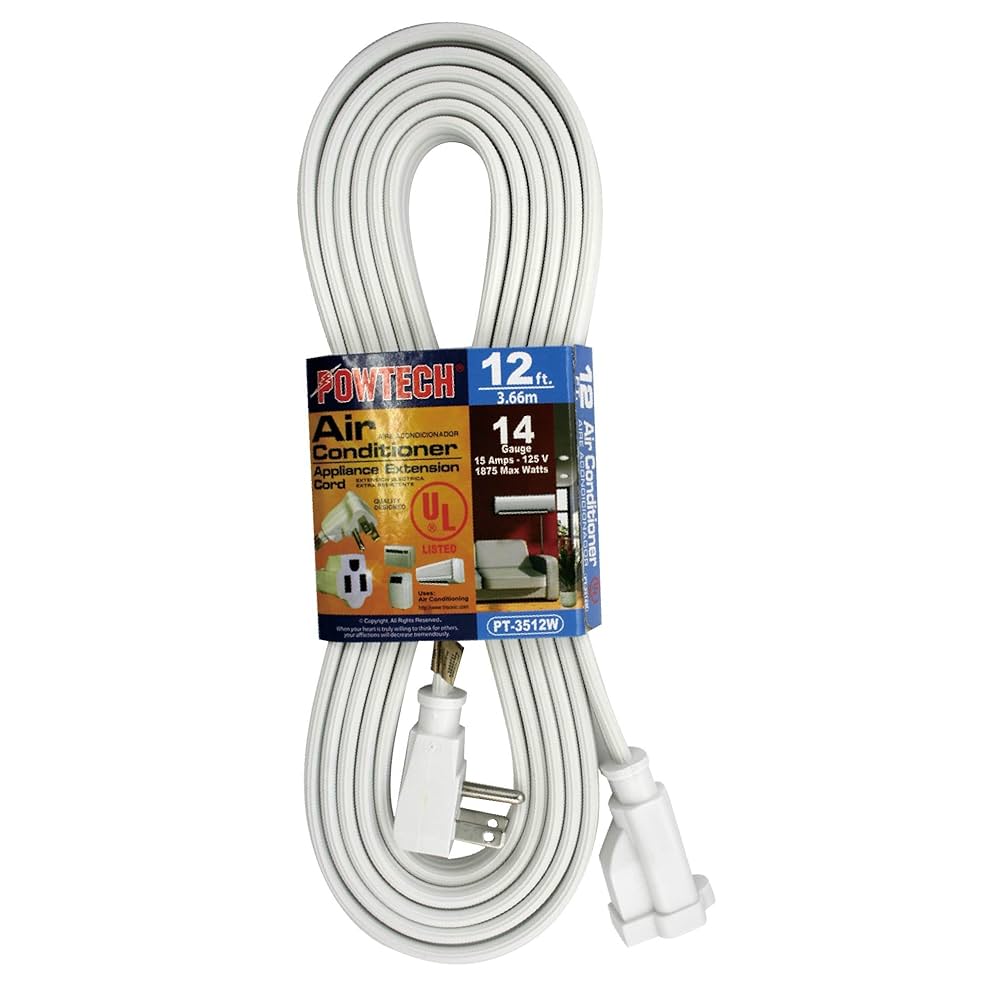
Are you wondering what gauge extension cord you should use for your air conditioner? Choosing the right one is more important than you might think.
Using the wrong extension cord can lead to poor performance or even dangerous electrical issues. You’ll discover exactly which gauge works best for your air conditioner and why it matters. By the end, you’ll feel confident in making the safest and smartest choice for your cooling needs.
Keep reading to protect your home and stay cool all season long.

Credit: www.amazon.com
Choosing The Right Gauge
The gaugeof an extension cord shows its thickness and how much electricityit can carry safely. A lower gauge numbermeans a thicker wire. Thicker wires carry more power and have less voltage drop.
Using the wrong gauge can cause the air conditioner to work poorly or even overheatthe cord.
| Gauge Size | Recommended For | Max Length (ft) |
|---|---|---|
| 16 Gauge | Small window AC units (up to 5 amps) | 50 |
| 14 Gauge | Medium AC units (up to 15 amps) | 75 |
| 12 Gauge | Large AC units (over 15 amps) | 100 |
Matching Cord Length And Gauge
The lengthof the extension cord affects how well the air conditioner works. Longer cords cause more voltage drop. This means the air conditioner may get less power and run poorly.
Using a cord that is too long or too thin can be dangerous. It may cause the cord to overheat or damage the air conditioner.
| Cord Length | Recommended Gauge | Safe Use |
|---|---|---|
| Up to 25 feet | 14 gauge | Good for most small air conditioners |
| 25 to 50 feet | 12 gauge | Better for medium-sized units |
| 50 to 100 feet | 10 gauge | Needed for large air conditioners |
Never use a cord longer than 100 feet. It can cause power lossand hazards. Always pick the right gauge for your cord length.
Power Requirements Of Air Conditioners
The wattageof an air conditioner shows how much power it needs. The amperagetells how much current it draws. These two numbers are key to pick the right cord.
Calculate wattage by looking at the label on the unit. Amperage can be found by dividing wattage by voltage.
Air conditioners have a startup surge. This surge is a brief burst of high power when the unit turns on. It can be 2 to 3 times the normal running power.
| Power Type | Description | Example |
|---|---|---|
| Running Wattage | Power used during normal operation | 1000 watts |
| Startup Surge | Short power spike at startup | 2000-3000 watts |
| Amperage | Current drawn (Watts/Voltage) | 8.3 amps (1000/120 volts) |

Credit: www.amazon.com
Materials And Build Quality
Extension cords for air conditioners must have strong insulation. Common types include PVC, rubber, and thermoplastic. PVC is affordable and good for indoor use. Rubber offers better flexibilityand durability, perfect for outdoor use. Thermoplastic is lightweight and resistant to heat.
Durability depends on the cord’s ability to resist weather. A good extension cord should be weatherproofand resist UV rays. Look for cords with reinforced jacketsto prevent damage from moisture or sunlight. This ensures the cord lasts longer and stays safe.
Safety Tips For Using Extension Cords
Using the right extension cord is key for air conditioner safety. Avoiding overloads protects your home from fire risks. Choose an extension cord with a heavy gaugewire. Thin wires can overheatand cause problems. Check the cord’s amp ratingto match or exceed your air conditioner’s needs.
- Never plug multiple high-power devices into one cord.
- Keep the cord dry and away from heat sources.
- Inspect cords regularly for fraysor damage.
For proper connections:
- Plug the cord firmly into the outlet.
- Ensure the extension cord’s plug fits tightly into the air conditioner.
- Do not force plugs that do not fit.
- Uncoil the cord fully to prevent overheating.
Common Mistakes To Avoid
Using undersized cordsis a common mistake that can cause overheatingand fire hazards. The cord must handle the air conditioner’s power without getting too hot. Too thin a cord can lead to voltage drops, which harm the air conditioner’s performance. Always check the gauge sizeneeded for your unit.
Ignoring manufacturer recommendationsputs your device at risk. The maker knows the exact power needs and the right cord size. Using cords not recommended can void warrantiesand reduce safety. Following instructions ensures the air conditioner works well and lasts longer.
Alternative Solutions
Installing a dedicated circuitfor your air conditioner improves safety and performance. It prevents overloadingand reduces the risk of electrical fires. A licensed electrician can set up a circuit with the right amperagefor your AC unit.
Heavy-duty outdoor extension cords work well for temporary use. Choose cords with a thick gaugethat matches your air conditioner’s power needs. Look for cords marked as weather-resistantand rated for outdoor use. Keep cords away from water and sharp edges to avoid damage.

Credit: www.amazon.com
Frequently Asked Questions
What Gauge Extension Cord Is Best For Ac?
The best gauge for an air conditioner is typically 12-gauge. This gauge supports higher power demands and ensures safety. Thicker wires, like 12-gauge, prevent overheating and are suitable for heavy appliances. Always check your air conditioner’s wattage and consult the manual for specific requirements.
Can I Use A 14-gauge Cord For Ac?
Using a 14-gauge cord for an air conditioner is not recommended. This gauge might not handle the power demand safely. It can lead to overheating and potential fire hazards. It’s best to use a 12-gauge cord for optimal safety and performance.
How Long Can An Extension Cord Be For Ac?
Extension cords for air conditioners should be as short as possible. Longer cords can lead to voltage drops and overheating. Ideally, keep the cord under 25 feet. Always ensure the cord is rated for the air conditioner’s power requirements.
Are Heavy-duty Cords Necessary For Ac?
Yes, heavy-duty cords are necessary for air conditioners. They ensure safe and efficient power delivery. Heavy-duty cords, like 12-gauge, can handle the high power demand. They reduce the risk of overheating and fire hazards, ensuring your appliance runs smoothly.
Conclusion
Choosing the right gauge extension cord keeps your air conditioner safe. A thicker cord handles more power without overheating. Always check the cord’s amp rating matches your AC unit’s needs. Avoid thin cords that can cause voltage drops or fire risks.
Use cords designed for outdoor use if needed. Proper cords help your air conditioner run smoothly and last longer. Stay safe, save energy, and enjoy cool air without worry. Simple steps make a big difference in your home comfort.