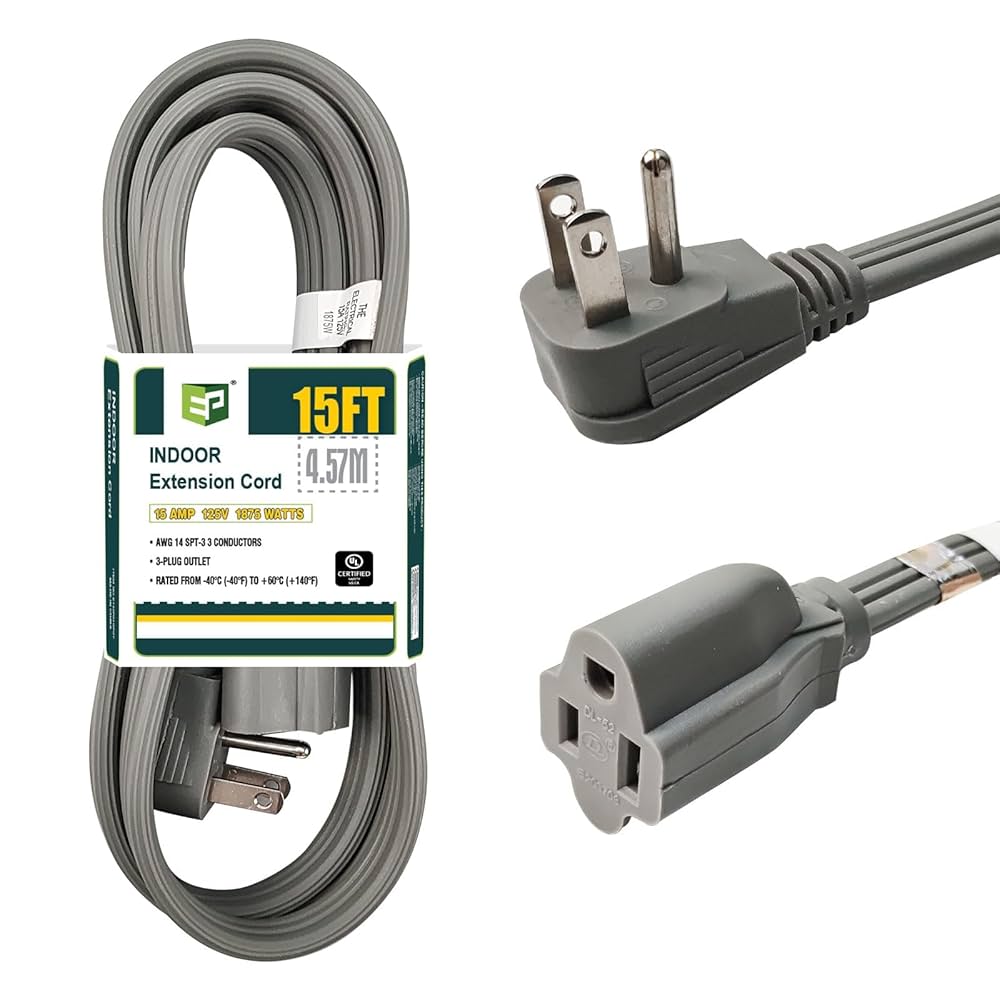
Choosing the right gauge extension cord for your refrigerator might seem like a minor detail, but it can significantly impact your appliance’s performance and safety. You want to ensure your refrigerator operates efficiently without any risk of electrical mishaps.
But with so many options available, how do you make the right choice? In this guide, you’ll discover everything you need to know to select the perfect extension cord gauge for your refrigerator. By the end of this article, you’ll feel confident in your decision, knowing your appliance is both safe and efficient.
Let’s dive in and unravel the mystery behind choosing the right extension cord gauge for your refrigerator.
Why Cord Gauge Matters
Choosing the right gauge extension cord for your refrigerator is important. The gauge number shows the thickness of the wire inside the cord. A lower gauge means a thicker wire, which can carry more electricity safely. Using the wrong gauge can cause problems with your refrigerator’s work and safety. Understanding why cord gauge matters helps you pick the best extension cord.
Impact On Appliance Performance
A cord with too thin a wire can lower the power reaching your refrigerator. This causes the fridge to work harder and less efficiently. It may take longer to cool or fail to keep food fresh. Thicker cords reduce power loss and keep the fridge running smoothly. The right gauge keeps your appliance running at its best.
Safety Considerations
Thin wires carry more risk of overheating and electrical fires. Too much electricity can cause the cord to get hot or melt. This can damage your fridge and create a fire hazard. Using the correct gauge prevents overheating and keeps your home safe. Always choose a cord that matches or is thicker than the fridge’s power needs.

Credit: www.amazon.com
Refrigerator Power Needs
Choosing the right extension cord for your refrigerator depends on understanding its power needs. Refrigerators require a specific amount of electricity to run safely and efficiently. Knowing these details helps prevent electrical issues and ensures your appliance works well.
Typical Wattage And Amperage
Most refrigerators use between 100 and 800 watts. Smaller models use less power, while larger or commercial types use more. The amperage usually ranges from 1 to 6 amps. This number shows how much current the fridge draws during normal operation.
Check the label on your refrigerator or the user manual. It lists the wattage and amperage. This information helps you pick an extension cord that can handle the load without overheating.
Startup Vs Running Current
Refrigerators need more power at startup. The compressor motor draws a higher current to start running. This startup current can be two to three times the running current.
Extension cords must support this surge. A cord rated only for running current may overheat or fail when the fridge starts. Choose a cord with a higher amp rating than the running current to handle the startup safely.
Choosing The Right Gauge
Choosing the right gauge for your refrigerator’s extension cord is essential for safety and performance. Using a cord with the wrong gauge can cause voltage drops, overheating, or even damage to your appliance. Let’s break down what gauge means and how to select the best one for your needs.
Common Gauge Sizes Explained
The gauge number of an extension cord indicates the thickness of its wire. A smaller gauge number means a thicker wire that can handle more electricity safely.
- 16-gauge:Suitable for light-duty appliances but not ideal for refrigerators.
- 14-gauge:Works for medium-duty needs and shorter lengths.
- 12-gauge:The safest choice for most refrigerators, especially for longer cords.
- 10-gauge:Used for heavy-duty or very long extension cords.
Think about your refrigerator’s power requirements and pick a gauge that can handle that load without overheating.
Matching Gauge To Cord Length
The longer your extension cord, the thicker the wire gauge should be to prevent voltage drop. Voltage drop can cause your refrigerator to run inefficiently or even damage its compressor.
| Cord Length | Recommended Gauge |
|---|---|
| Up to 25 feet | 16 or 14 gauge |
| 25 to 50 feet | 14 gauge |
| 50 to 100 feet | 12 gauge |
| Over 100 feet | 10 gauge |
Have you ever noticed your fridge struggling after you added an extension cord? It might be because the gauge was too thin for the length. Always match your cord length with the right gauge to keep your refrigerator running smoothly.

Credit: www.amazon.com
Cord Length And Voltage Drop
Choosing the right extension cord for your refrigerator means paying attention to cord length and voltage drop. These factors impact how well your appliance runs and how safe it stays. Longer cords can cause power loss, which may harm your refrigerator’s performance.
How Length Affects Performance
Extension cords that are too long increase resistance in the wire. This resistance lowers the voltage that reaches your refrigerator. Low voltage can cause the motor to work harder and overheat. It may also lead to inconsistent cooling and higher energy use. Keep the cord as short as possible to reduce this risk.
Calculating Voltage Drop
Voltage drop depends on three things:
- Cord length
- Wire gauge (thickness)
- Current (amps) drawn by the refrigerator
You can estimate voltage drop using this simple formula:
| Voltage Drop (V) | = 2 × Length (ft) × Current (A) × Resistance (Ω/ft) |
|---|
Check the cord’s resistance per foot based on its gauge. Thicker wires have lower resistance. Aim for less than 3% voltage drop to keep your refrigerator running well.
Material And Build Quality
Choosing the right extension cord for your refrigerator depends heavily on the material and build quality. The wiring inside the cord and the insulation protecting it play crucial roles in safety and performance. Understanding these aspects helps you avoid power issues and potential hazards.
Copper Vs Aluminum Wiring
Copper wiring is the preferred choice for refrigerator extension cords because it conducts electricity better than aluminum. This means less resistance, which keeps your fridge running efficiently without overheating the cord.
Aluminum wiring is lighter and often cheaper, but it is less conductive and more prone to oxidation. Over time, this can cause poor connections and even fire risks. If you want a reliable extension cord, copper wiring is worth the extra cost.
Insulation And Durability
The insulation around the wires protects against electric shocks and damage from bending or pulling. Look for cords with thick, flexible insulation made of materials like rubber or heavy-duty PVC.
Durability matters because refrigerators run 24/7. A flimsy cord can crack or wear out quickly, leading to dangerous situations. You want a cord that withstands everyday use and accidental tugs without losing its protective qualities.

Credit: www.amazon.com
Safety Tips For Extension Cord Use
Using an extension cord for your refrigerator needs careful attention to safety. Incorrect use can cause fires or damage. Follow these safety tips to protect your home and appliance.
Avoiding Overloads
Extension cords have limits on how much power they can carry. Using a cord with too thin a gauge risks overheating. Always check the cord’s amp rating against your refrigerator’s power needs.
- Choose a heavy-duty cord with a thick gauge, usually 14 or 12 gauge.
- Do not plug multiple devices into the same extension cord.
- Avoid using cords that are too long; longer cords reduce power efficiency.
Overloading causes wires to heat up, increasing fire risk. Use only cords made for high-power appliances.
Proper Storage And Maintenance
Store extension cords carefully to prevent damage. Twisting or bending cords can break internal wires. Keep cords in a dry place away from heat sources.
- Check cords regularly for cracks, cuts, or exposed wires.
- Replace any damaged cords immediately.
- Unplug cords when not in use to avoid wear and tear.
Proper care extends the cord’s life and keeps your refrigerator safe. Avoid running cords under rugs or heavy furniture.
Alternative Solutions
Choosing the right gauge extension cord for a refrigerator is important. Sometimes, extension cords are not the best choice for heavy appliances. Alternative solutions offer safer and more efficient ways to power your refrigerator. These options can help avoid electrical issues and keep your appliance running smoothly.
Hardwiring Options
Hardwiring a refrigerator means connecting it directly to the home’s electrical system. This method removes the need for extension cords. It provides a stable and constant power supply. Hardwiring is safer and reduces the risk of electrical fires. It also prevents voltage drops that can damage the refrigerator.
Only a licensed electrician should perform hardwiring. They ensure the connection meets local codes and safety standards. This option is ideal for built-in or large refrigerators that use a lot of power.
Using Dedicated Circuits
A dedicated circuit means the refrigerator has its own power line. This prevents other appliances from sharing electricity and causing overloads. Dedicated circuits provide consistent voltage and reduce the chance of power interruptions.
Installing a dedicated circuit requires an electrician. They will install a separate breaker in the electrical panel. This setup protects the refrigerator and improves its performance. It also extends the lifespan of the appliance by reducing electrical stress.
Frequently Asked Questions
What Gauge Extension Cord Is Best For A Refrigerator?
A 14-gauge extension cord is ideal for refrigerators up to 50 feet. It handles the power needs safely and reduces voltage drop.
Can I Use A 16-gauge Cord For My Fridge?
A 16-gauge cord is only suitable for very short distances under 15 feet. Longer cords risk overheating and damage to the refrigerator.
How Long Can The Extension Cord Be For A Fridge?
Keep the cord length under 50 feet to maintain proper voltage. Longer cords can cause power loss and affect fridge performance.
Is A Heavy-duty Extension Cord Necessary For Refrigerators?
Yes, heavy-duty cords ensure safety and efficiency. They support the refrigerator’s power draw and prevent overheating or electrical hazards.
Conclusion
Choosing the right gauge extension cord keeps your refrigerator safe and working well. Thicker cords carry more electricity and reduce risks. Always check your fridge’s power needs before buying a cord. Using the wrong gauge can cause overheating or power loss.
Remember, a good extension cord helps your fridge run smoothly. Don’t guess—pick the right size for peace of mind. This small step protects your appliance and your home. Simple, safe, and smart.