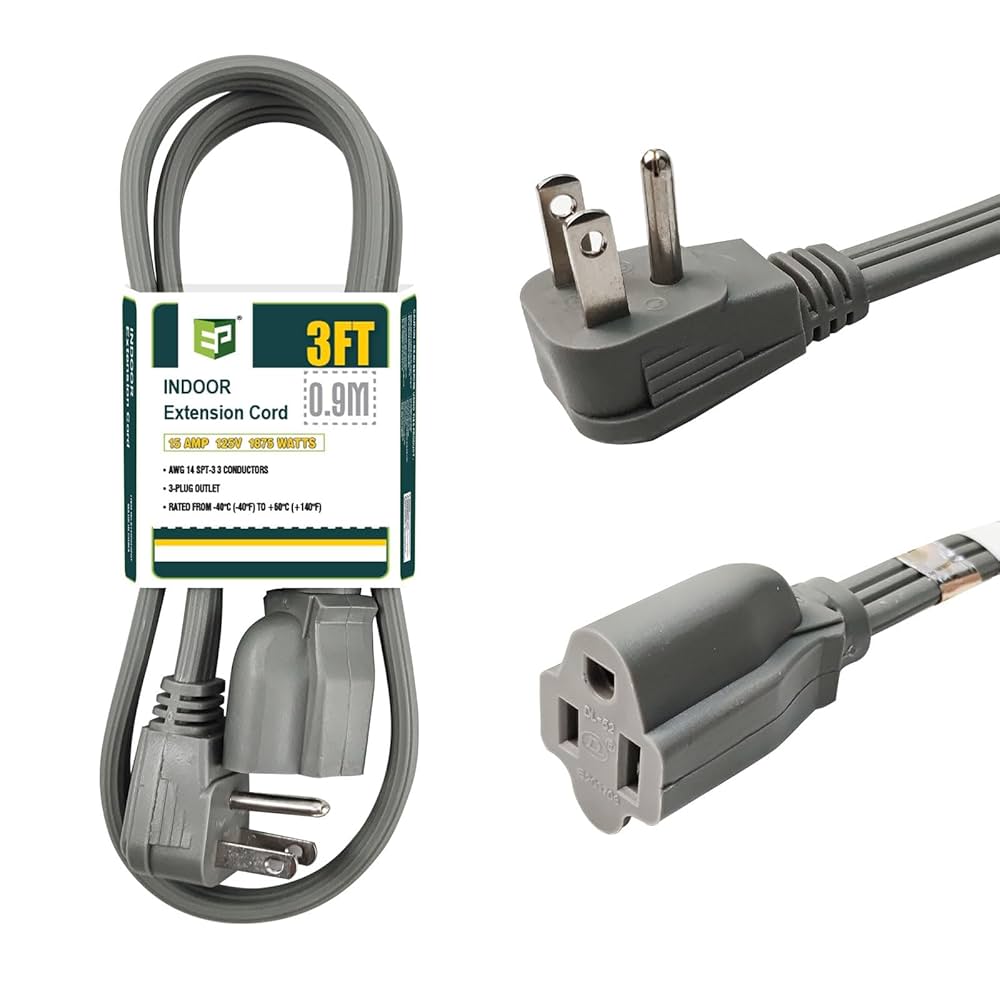
Choosing the right extension cord for your window air conditioner is more important than you might think. Using the wrong gauge can cause your AC to underperform or even create safety hazards.
You want your room to stay cool without worrying about tripped breakers or overheating wires. You’ll discover exactly what gauge extension cord you need to keep your air conditioner running smoothly and safely. Keep reading to make sure you get it right the first time.
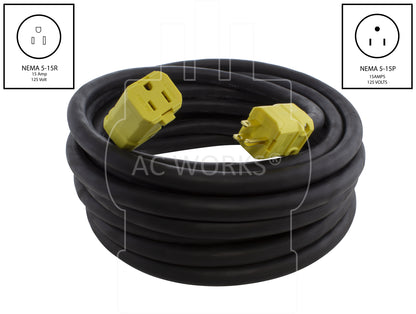
Credit: acworks.ca
Choosing The Right Gauge
Choosing the right gauge extension corddepends on the ampere requirementsof your window air conditioner. Higher amps need thicker wires to carry the current safely. Using a cord that is too thin can cause overheating and fire risks.
The lengthof the extension cord also affects its performance. Longer cords cause more voltage drop, so thicker wires are needed to maintain power. Short cords may work fine with thinner gauges.
| Common Gauge Sizes | Recommended Use | Max Length (feet) |
|---|---|---|
| 16 gauge | Small AC units under 10 amps | Up to 50 ft |
| 14 gauge | Medium AC units 10-15 amps | Up to 75 ft |
| 12 gauge | Large AC units over 15 amps | Up to 100 ft |
Calculating Power Needs
The BTU (British Thermal Unit)rating shows the cooling power of the air conditioner. Higher BTU means more power is needed. Wattage tells how much electricity the unit uses. Check the label on your air conditioner for exact wattage.
Window AC units need more power at start-upthan while running. This is called starting current. It can be 2 to 3 times higher than the running current. Extension cords must handle this surge without overheating.
| Term | Description |
|---|---|
| BTU | Cooling power of the air conditioner |
| Wattage | Amount of electricity the unit uses |
| Starting Current | High current when AC starts |
| Running Current | Current during normal operation |
Cord Types And Materials
Copperextension cords carry electricity better than aluminum. They have less resistance and heat up less. Copper cords last longer and are safer for a window air conditioner.
Aluminumcords cost less but can get hot and may break more easily. They are not the best choice for high-power devices like air conditioners.
| Insulation Type | Use | Temperature Rating |
|---|---|---|
| Thermoplastic (THHN) | General indoor use | 90°C |
| Rubber (SJTW) | Outdoor use, moisture resistance | 60°C |
| Vinyl (SJT) | Indoor and outdoor, light duty | 60°C |
For window air conditioners, choose cords with strong insulation. This protects from heat, moisture, and damage. Always check the insulation rating before use.

Credit: www.canadiantire.ca
Safety Considerations
Overheatingcan cause fires or damage to your air conditioner. Use a thick extension cordto carry the power safely. Thin cords heat up quickly and may melt.
Proper groundingis very important. It helps prevent electric shocks and keeps the unit safe. Make sure the cord has a ground wireand plug it into a grounded outlet.
Voltage dropcan make your air conditioner work poorly. Long or thin cords cause voltage drop. Choose a cord with the right gauge sizeand keep it as short as possible.
Installation Tips
Place the extension cord where it won’t get wet or hot. Avoid sharp edges that can damage the cord. Keep the cord away from doorways and walkways.
Use cord covers or tape to secure the cord on the floor. This helps prevent people from tripping. Make sure the cord is straight and not tangled.
- Choose a cord with the right gauge for your air conditioner.
- Use a cord long enough to reach the power outlet safely.
- Keep cords off stairs and busy areas.
Maintenance And Storage
Check the extension cord carefully for any cuts, cracks, or frays. These can cause electric shocksor fires. Look at the plug and socket ends for burn marks or loose connections. Replace the cord if any damage is found.
Store the cord in a dry, cool placeduring the off-season. Avoid folding or bending the cord sharply to prevent damage. Coil the cord loosely and keep it away from heavy objectsthat might crush it.
- Keep the cord away from moisture and direct sunlight.
- Use a cable tie or Velcro strap to keep it organized.
- Label the cord to identify it easily next season.
Common Mistakes To Avoid
Using an extension cord that is too thin can cause overheating. This is very dangerous and can start a fire. Avoid cords with a higher gauge numberthan needed. The higher the gauge, the thinner the wire.
Choosing a cord without a ground wireis risky. The ground wire helps protect from electric shocks. Always pick an extension cord with a ground wire for safety.
A cord that is too long can reduce powerto the air conditioner. Try to use the shortest cordpossible. This helps the unit work better and saves energy.
- Do not use damaged or old extension cords.
- Avoid running cords under rugs or furniture.
- Never connect multiple extension cords together.

Credit: totcables.com
Frequently Asked Questions
What Gauge Extension Cord Is Best For Window Ac Units?
A 14-gauge extension cord is best for window AC units up to 15 amps. It ensures safety and efficient power delivery without overheating or voltage drops.
Can I Use A 16-gauge Cord For My Window Air Conditioner?
Using a 16-gauge cord for a window AC is not recommended. It may overheat and cause voltage drops, leading to poor performance or damage.
How Long Can My Extension Cord Be For A Window Ac?
For a window AC, keep the extension cord length under 25 feet. Longer cords require thicker gauge to avoid power loss and overheating.
Is A Heavy-duty Extension Cord Necessary For Window Ac?
Yes, a heavy-duty extension cord is necessary to handle the high current draw of window ACs safely and prevent electrical hazards.
Conclusion
Choosing the right gauge extension cord is crucial for safety. Ensure your window air conditioner runs efficiently. A thicker cord reduces the risk of overheating. Always check the cord’s amp rating. This keeps your device from overloading. A 12-gauge cord often suits most units.
Prioritize quality over cheap alternatives. It prevents potential hazards. Regularly inspect your extension cord for wear. Replace if any damage is found. Your home’s safety and comfort depend on it. Make informed decisions and keep cool. Stay safe with the right tools.
Enjoy your air-conditioned space with peace of mind.