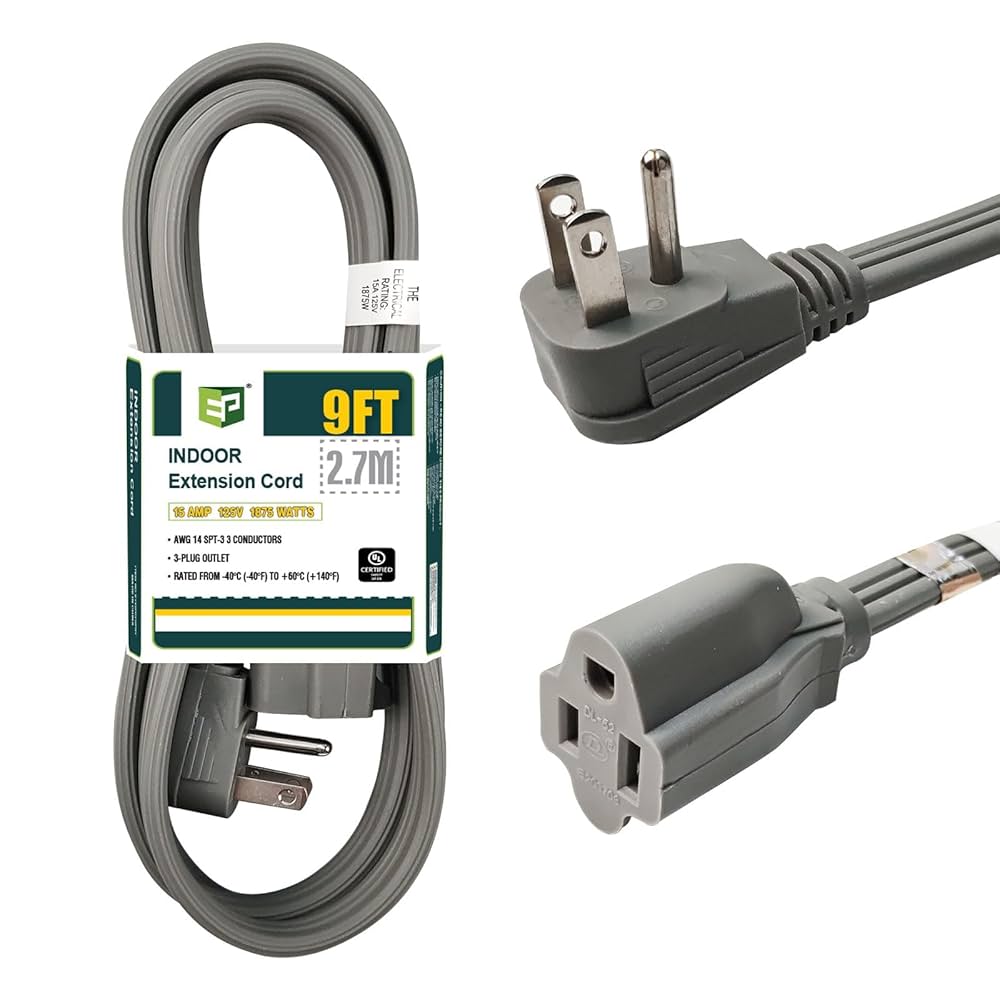
Choosing the right wire gauge for your refrigerator might not be something you think about often, but it can make a big difference in your home’s electrical safety and efficiency. Imagine feeling confident that your refrigerator is running smoothly without any risk of electrical issues.
You deserve peace of mind knowing that your appliance is connected with the right wire. You’ll discover exactly what wire gauge you need for your refrigerator, ensuring it’s not only safe but also efficient. Stay tuned and empower yourself with the knowledge to protect your home and investment.
Wire Gauge Basics
Choosing the right wire gauge for your refrigerator is important for safety and performance. Wire gauge affects how much electric current the wire can handle. Using the wrong gauge can cause overheating or power loss. Understanding wire gauge basics helps in selecting the proper wire for your appliance.
What Wire Gauge Means
Wire gauge is a number that shows the wire’s thickness. Lower numbers mean thicker wire. Thicker wires carry more electricity safely. Thinner wires carry less current and can overheat if overloaded. The gauge number follows a standard called American Wire Gauge (AWG). This system helps identify the right wire size for different uses.
Common Wire Gauges For Appliances
Household appliances use wires with specific gauges. Most refrigerators use wire sizes between 14 and 12 AWG. Here are some common wire gauges and their uses:
- 14 AWG:Good for small appliances and light loads.
- 12 AWG:Often used for refrigerators and kitchen appliances.
- 10 AWG:Used for larger appliances or longer wire runs.
Choosing a thicker wire for longer distances prevents voltage drop. Always check the appliance’s power requirements before picking a wire gauge.

Credit: www.youtube.com
Refrigerator Power Needs
Understanding your refrigerator’s power needs is crucial before choosing the right wire gauge. The wire must safely handle the electrical load to prevent overheating or power loss. Knowing the wattage and current draw helps you match the wire size to your appliance’s demands.
Typical Refrigerator Wattage
Most home refrigerators use between 100 and 800 watts. Small mini-fridges might draw as little as 100 watts, while larger models or those with additional features like ice makers can use up to 800 watts or more.
Think about your fridge’s size and features. Does it have a freezer section or smart controls? These factors increase the wattage and affect wire selection.
Current Draw And Amperage
Current draw is measured in amperes (amps) and is key to choosing the correct wire gauge. To find the current, divide the refrigerator’s wattage by the voltage supply (usually 120V in the US).
| Refrigerator Wattage | Voltage (V) | Current Draw (Amps) |
|---|---|---|
| 150 W | 120 V | 1.25 A |
| 600 W | 120 V | 5 A |
Have you checked your circuit breaker rating? If your fridge pulls close to the breaker’s limit, you’ll need thicker wire to avoid overheating.
Choosing the right wire gauge means matching or exceeding the amperage safely. For example, a 5-amp draw usually works well with 14-gauge wire, but always verify based on your specific fridge and local electrical codes.
Choosing The Right Wire Gauge
Choosing the right wire gauge for your refrigerator is essential for safety and performance. The wire gauge must handle the current without overheating. Too small a wire can cause voltage drops and damage. Too large a wire can be costly and hard to work with. Understanding the proper size helps keep your fridge running smoothly and safely.
Matching Wire Gauge To Amperage
Wire gauge relates directly to the amperage your refrigerator draws. Each gauge size supports a specific current safely. For example, a typical refrigerator uses about 6 to 10 amps. A 14-gauge wire is often enough for this load. Larger refrigerators or models with ice makers may need thicker wires like 12-gauge.
Using the correct gauge prevents overheating and electrical hazards. Always check the appliance’s amperage rating. Choose a wire gauge that matches or exceeds this value. This ensures stable power delivery and long wire life.
Factors Influencing Wire Size
Several factors affect the choice of wire gauge beyond amperage. The length of the wire run matters. Longer distances cause voltage drops. Increasing the wire size compensates for this drop.
Environmental conditions also play a role. Wires in hot areas may require a thicker gauge. This helps avoid heat-related damage. The wire insulation type and local electrical codes influence size too. Always follow code requirements to ensure safety.
Considering these factors helps select the right wire size. It protects your refrigerator and your home wiring system.

Credit: www.amazon.ca
Safety Standards And Codes
Understanding safety standards and codes is essential when selecting the right gauge wire for your refrigerator. These rules are designed to protect you and your home from electrical hazards. Ignoring them can lead to serious issues, including fires or appliance damage.
National Electrical Code Requirements
The National Electrical Code (NEC) sets clear guidelines for wiring household appliances. It specifies the minimum wire gauge based on the appliance’s amperage to ensure safe electrical flow.
For most refrigerators, the NEC recommends using at least 12-gauge wire for circuits rated up to 20 amps. This gauge prevents overheating and reduces the risk of electrical fires.
Have you checked the amperage rating on your refrigerator’s label? Matching this with the correct wire gauge is crucial for compliance with NEC rules and your safety.
Local Regulations To Consider
Local electrical codes can vary and may have additional requirements beyond the NEC. Some areas demand thicker wire or special installation methods based on climate or building types.
Before wiring, contact your local electrical inspector or check municipal guidelines. This step helps avoid costly rewiring and ensures your setup passes inspection the first time.
Remember, following both national and local codes isn’t just about legality—it’s about protecting your home and loved ones from avoidable risks.
Wire Types For Refrigerators
Choosing the right wire type for your refrigerator is important for safety and performance. Different wires handle electricity in various ways. The right wire keeps your appliance running smoothly without overheating or power loss. Understanding wire types helps you pick the best option for your home setup.
Copper Vs Aluminum Wire
Copper wire is common for refrigerators. It conducts electricity very well. Copper is strong and resists corrosion. It bends easily for tight spaces. Aluminum wire is lighter and cheaper. It does not conduct electricity as well as copper. Aluminum wires can expand and contract more. This can cause loose connections over time. Copper is safer and lasts longer in most cases. Many experts recommend copper for home appliances.
Insulation Types And Ratings
Wire insulation protects the wire from damage and moisture. It also prevents electric shocks. Common insulation types include:
- Thermoplastic (THHN):Heat-resistant and flexible. Good for indoor use.
- Thermoset (XHHW):More durable. Handles higher temperatures well.
- Rubber:Flexible and resistant to abrasion. Often used in wet areas.
Check the insulation rating before choosing wire. Ratings show the maximum temperature the wire can handle safely. For refrigerators, choose insulation rated for at least 75°C (167°F). Proper insulation ensures long-lasting and safe wiring.

Credit: www.amazon.ca
Installation Tips
Proper installation of the wire for your refrigerator ensures safety and efficient performance. Following simple tips helps avoid common electrical issues. Pay close attention to how the wire runs and connects. Grounding and avoiding voltage drop are key to a smooth setup.
Proper Wire Routing
Run the wire away from sharp edges and heat sources. Use clips or staples to secure it neatly along walls or baseboards. Avoid tight bends that can damage the wire. Keep the wire accessible for future checks or replacements.
Avoiding Voltage Drop
Use the correct wire gauge to maintain voltage over distance. Longer wire runs may need thicker wire to prevent power loss. Check that connections are tight and clean. Poor connections increase resistance and reduce voltage.
Grounding Essentials
Connect the ground wire to a proper grounding point. This protects against electrical shocks and appliance damage. Use a wire gauge that matches or exceeds the hot and neutral wires. Confirm that grounding complies with local electrical codes.
Troubleshooting Wiring Issues
Wiring issues in refrigerators can cause many problems. They often affect performance and safety. Identifying and fixing these issues early can save money and prevent hazards. Understanding signs of wiring problems helps maintain the appliance’s efficiency.
Signs Of Undersized Wire
Undersized wire causes voltage drops and poor fridge performance. The refrigerator might not cool properly or may cycle on and off frequently. Look for warm or hot wires near the fridge connection. Flickering lights or frequent breaker trips also signal wiring problems. A burning smell near the outlet or fridge indicates overheated wires.
Preventing Overheating And Fire Hazards
Use the correct wire gauge to avoid overheating. Thicker wires handle more current safely. Ensure all connections are tight and secure. Loose connections increase resistance and heat build-up. Avoid using damaged or worn wires to reduce fire risk. Regularly inspect wiring for wear or damage. Installing a dedicated circuit for the refrigerator helps maintain safe operation.
Frequently Asked Questions
What Gauge Wire Is Best For A Refrigerator?
A 14-gauge wire is typically best for most household refrigerators. It supports up to 15 amps of current safely. Always check your refrigerator’s amperage requirements to ensure proper wire sizing.
Can I Use 12 Gauge Wire For My Fridge?
Yes, 12-gauge wire is suitable and provides extra safety. It supports up to 20 amps, which is more than enough for most refrigerators. Using thicker wire can prevent overheating and voltage drops.
Is 14 Gauge Wire Enough For A Large Refrigerator?
For most large refrigerators, 14-gauge wire is sufficient if the appliance draws 15 amps or less. If your fridge has higher power demands, consider 12-gauge wire for safety and efficiency.
What Happens If I Use Thinner Wire For My Fridge?
Using thinner wire can cause overheating and electrical hazards. It may lead to voltage drops, reducing fridge efficiency and potentially damaging the appliance. Always use the recommended wire gauge to ensure safety.
Conclusion
Choosing the right wire gauge keeps your refrigerator safe and working well. Use the correct size to avoid electrical problems or fire risks. A 12 or 14 gauge wire usually fits most refrigerators. Always check your fridge’s manual or ask an electrician for advice.
Proper wiring helps your appliance last longer and run smoothly. Don’t take chances with the wrong wire size. Simple steps like these protect your home and your fridge every day.