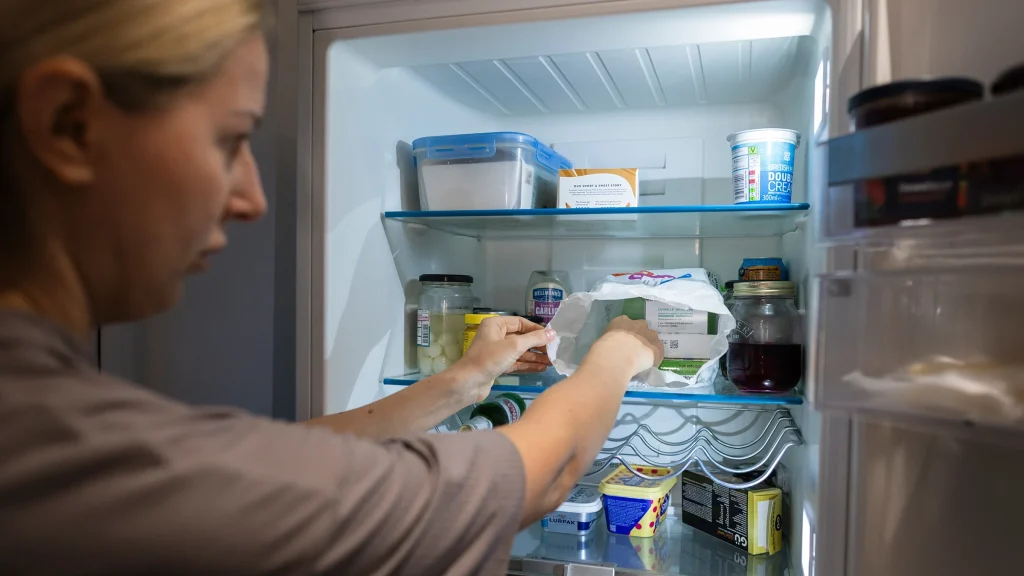
Have you ever wondered what happens if amoxicillin is not refrigerated? If you’ve been prescribed this common antibiotic, you might be concerned about how to store it properly.
Your health depends on taking medicine that works effectively, so knowing the right way to keep amoxicillin can make a big difference. You’ll discover what can go wrong when amoxicillin isn’t stored correctly and how it affects your treatment. Keep reading to protect your health and make sure your medication does exactly what it’s supposed to do.

Credit: www.goodrx.com
Amoxicillin Stability Factors
Amoxicillin is a common antibiotic used to treat infections. Its effectiveness depends on how it is stored. Stability factors like temperature and exposure to air affect its quality. Understanding these factors helps ensure the medicine works well.
Improper storage can cause the medicine to lose strength. This may lead to longer illness or treatment failure. Knowing what happens if amoxicillin is not refrigerated is important for safe use.
Temperature Effects On Amoxicillin
Amoxicillin is sensitive to heat and cold. High temperatures can break down the medicine quickly. This reduces its ability to fight bacteria.
Cold temperatures, especially freezing, can also harm amoxicillin. Freezing may cause the liquid form to separate or change texture. Both heat and freezing reduce the drug’s potency.
Ideal storage is usually in a refrigerator between 2°C and 8°C (36°F and 46°F). This keeps the medicine stable and effective for longer.
Shelf Life Without Refrigeration
Amoxicillin stored at room temperature lasts less time than refrigerated. Its shelf life may drop from 14 days to about 7 days.
Exposure to air after opening also speeds up degradation. The medicine may become cloudy or develop a strange smell. These signs indicate reduced quality.
Using amoxicillin past its shelf life can cause treatment failure. It is important to follow storage guidelines and discard unused medicine on time.

Credit: www.goodrx.com
Potential Risks Of Improper Storage
Amoxicillin is a common antibiotic prescribed to treat various infections. However, its effectiveness largely depends on how you store it. Improper storage, especially not refrigerating when required, can lead to several risks that affect both your health and treatment outcomes.
Reduced Effectiveness
Amoxicillin can lose its strength if not stored correctly. Without refrigeration, the active ingredients may break down faster, making the medicine less powerful against bacteria.
This means the infection might not clear up as expected, and you could end up prolonging your illness. Have you ever wondered why some antibiotics don’t seem to work as well the second time you take them?
Increased Side Effects
When amoxicillin degrades due to improper storage, it can sometimes produce harmful byproducts. These can irritate your stomach or cause allergic reactions.
You might notice unusual symptoms like nausea, rashes, or even more severe reactions. Paying attention to how you keep your medication can prevent these unexpected side effects.
Antibiotic Resistance Concerns
Taking amoxicillin that has lost potency can encourage bacteria to survive and adapt. This can lead to antibiotic resistance, making future infections harder to treat.
Are you aware that improper storage of your medication might contribute to a bigger public health problem? By storing antibiotics correctly, you help protect not only yourself but also the community around you.
Signs Of Spoiled Amoxicillin
Amoxicillin needs proper storage to stay effective. When not refrigerated as required, it can spoil quickly. Recognizing the signs of spoiled amoxicillin helps avoid taking medicine that might not work or cause harm. Certain changes in the medicine point to spoilage. Watch for differences in color, smell, texture, and consistency. These clues indicate the medicine is no longer safe to use.
Changes In Color And Smell
Fresh amoxicillin usually has a consistent color, often white or off-white. Spoiled medicine may show discoloration, such as yellowing or dark spots. A change in color means chemical breakdown or contamination.
Smell also changes when amoxicillin spoils. It may develop a sour or unpleasant odor. A strong or unusual smell is a clear warning to discard the medicine.
Texture And Consistency Alterations
Amoxicillin typically has a smooth and uniform texture. Spoiled amoxicillin can become clumpy, grainy, or thicker than normal. These texture changes indicate moisture exposure or bacterial growth.
If the liquid form separates into layers or becomes cloudy, it is a sign of spoilage. Solid forms may crumble or harden. Never use amoxicillin that shows these changes.
Safe Storage Practices
Storing amoxicillin correctly is crucial to keep it effective and safe to use. Improper storage can reduce the medicine’s potency, making your treatment less effective or even risky. Knowing the right way to store amoxicillin helps you avoid wasting medicine and ensures your recovery stays on track.
When Refrigeration Is Necessary
Some liquid forms of amoxicillin require refrigeration after opening. This is because refrigeration slows down the breakdown of the active ingredients, keeping the medicine potent for the entire treatment period.
If your prescription label or pharmacist advises refrigeration, you should keep the amoxicillin in the fridge between 2°C and 8°C (36°F to 46°F). Avoid freezing it, as freezing can destroy the medicine’s effectiveness.
Not all amoxicillin needs to be refrigerated, so always check the label or ask your pharmacist. Have you ever left medicine out overnight and wondered if it’s still safe? This is why clear instructions matter.
Alternatives To Refrigeration
Some amoxicillin formulations are designed to be stable at room temperature. These can be stored in a cool, dry place away from direct sunlight and heat sources.
Keep the medicine in its original container with the lid tightly closed. A kitchen cabinet away from the stove or a bedroom shelf are often good spots.
Remember, storing amoxicillin at temperatures above 25°C (77°F) can reduce its effectiveness. If you live in a warm climate, consider using an insulated bag or cooler for temporary storage during travel.
- Always check the expiration date before use.
- Do not mix amoxicillin with other medicines in the same container.
- Keep out of reach of children and pets.
What To Do If Amoxicillin Was Not Refrigerated
Amoxicillin may lose its strength if left unrefrigerated for too long. Check the medicine’s appearance and expiration before use. Consult a healthcare provider if unsure about its safety.
If amoxicillin is left unrefrigerated, its effectiveness might be compromised. Knowing what steps to take is crucial. Here’s a guide on how to manage this situation effectively and ensure safety.Consulting Healthcare Providers
Reach out to your healthcare provider immediately. They can assess the situation and offer guidance. Inform them about the duration the medication was unrefrigerated. This helps them determine if a new prescription is necessary. Follow their instructions carefully to avoid any health risks.Disposal Of Expired Or Spoiled Medication
If advised by your healthcare provider, dispose of the spoiled amoxicillin. Never throw medication directly into the trash. Instead, use a medication disposal program if available. Alternatively, mix the medication with an unpalatable substance. This can include dirt, cat litter, or used coffee grounds. Place the mixture in a sealed plastic bag. Then, dispose of it in the household trash. This helps prevent accidental ingestion by children or pets. Always ensure to remove any personal information from prescription labels before disposal. This maintains your privacy and safety.
Credit: www.goodrx.com
Frequently Asked Questions
What Happens If Amoxicillin Is Not Refrigerated?
If amoxicillin suspension is not refrigerated, it may lose potency faster. This reduces its effectiveness in treating infections. Always follow storage instructions on the label for best results.
Can Amoxicillin Spoil Without Refrigeration?
Yes, amoxicillin liquid can spoil without refrigeration. Spoiled medicine may change color or smell and become unsafe. Discard if it appears unusual.
How Long Can Amoxicillin Stay Unrefrigerated?
Amoxicillin suspension can usually stay unrefrigerated for up to 14 days. However, it’s best to refrigerate unless otherwise directed by your pharmacist.
Does Unrefrigerated Amoxicillin Cause Side Effects?
Unrefrigerated amoxicillin is less effective but unlikely to cause new side effects. Ineffectiveness can lead to untreated infections.
Conclusion
Amoxicillin needs proper storage to stay effective. Not refrigerating it can lower its strength. This may cause the medicine to work less well. Taking weak medicine can delay your recovery. Always follow the storage instructions on the label. Keep the medicine away from heat and light.
Proper care helps the antibiotic fight infection better. Don’t risk your health by ignoring these steps. Safe storage keeps your treatment on track. Simple actions make a big difference in healing.