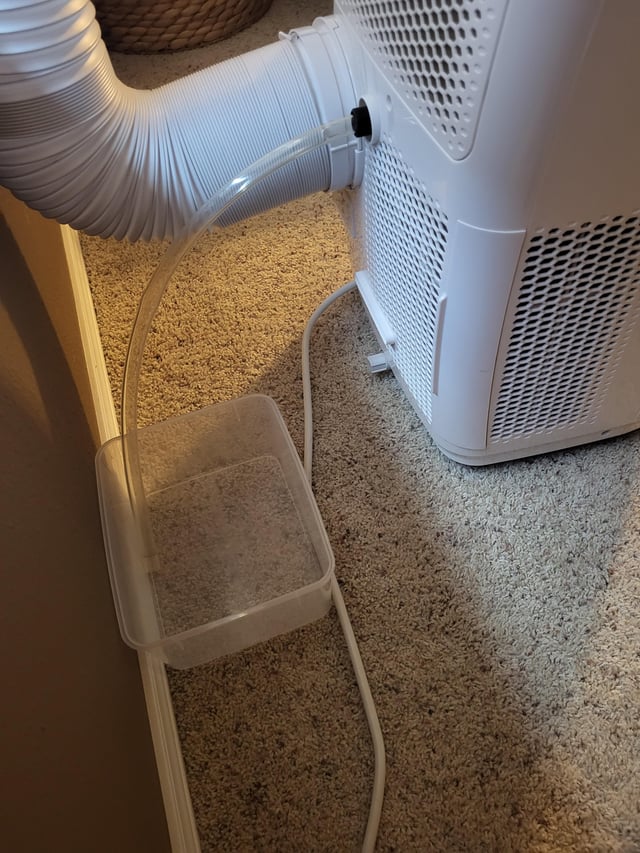
Have you ever wondered what happens if you don’t drain your portable air conditioner? It might seem like a small step, but skipping this simple task can lead to big problems for your device—and your comfort.
If you want to keep your air conditioner running smoothly and avoid unexpected breakdowns, you need to understand why draining it matters. Keep reading to discover the hidden risks and easy solutions that will save you time, money, and hassle.
Your cool, fresh air depends on it!
Why Draining Matters
Portable air conditioners cool the air but also collect water inside. Draining this water is important for the unit to work well. If you don’t drain the water, it can cause problems.
Ignoring the water buildup can lead to bad smells, leaks, and less cooling power. Understanding why draining matters helps keep your portable AC running smoothly.
How Portable Acs Collect Water
Portable air conditioners remove heat and moisture from the air. This moisture turns into water inside the unit. The water collects in a tank or tray.
Sometimes, the water drains out automatically. Other times, you must drain it by hand. The amount of water depends on the air’s humidity.
- Air passes over cold coils inside the AC.
- Moisture in the air condenses into water drops.
- Water collects in a reservoir or tray inside the unit.
- Some units have a drain hose for water removal.
Role Of Drainage In Performance
Draining water keeps the portable AC working at its best. If the water tank is full, the unit may stop cooling. Water buildup can cause damage and bad smells.
Regular drainage helps the AC run longer and saves energy. It also stops water leaks that could damage floors or furniture.
- Prevents the unit from shutting off due to full water tank
- Reduces risk of mold and bad odors inside the AC
- Protects the device from water damage
- Maintains strong cooling performance

Credit: www.youtube.com
Common Risks Of Not Draining
Portable air conditioners collect water during operation. This water needs to be drained regularly. Ignoring this step can cause several problems.
Below are common risks that happen if you do not drain your portable air conditioner.
Water Overflow Issues
When the water tank fills up, it can overflow inside the unit. This causes leaks and wet floors. Overflowing water may also damage nearby furniture and carpets.
- Water spills on the floor
- Possible mold growth due to dampness
- Risk of slipping accidents
- Damage to flooring materials
Reduced Cooling Efficiency
Excess water inside the air conditioner affects its cooling power. The unit works harder to cool the room, wasting energy. This leads to higher electricity bills and less comfort.
| Effect | Reason |
|---|---|
| Lower airflow | Water blocks air pathways |
| Increased energy use | Unit struggles to cool |
| Uneven room temperature | Cooling not consistent |
Damage To Internal Components
Water left inside can corrode parts and cause rust. This may lead to permanent damage and costly repairs. Electrical parts can short-circuit if exposed to water.
- Corrosion of metal parts
- Rust on internal components
- Electrical shorts and failures
- Shortened lifespan of the unit
Health Hazards Linked To Standing Water
Standing water in portable air conditioners can cause serious health problems. This water creates a perfect place for harmful organisms to grow. Ignoring the need to drain your unit can put your health at risk.
It is important to understand what happens when water is left inside. Two main dangers are mold and mildew growth and bacterial contamination.
Mold And Mildew Growth
When water stays inside the air conditioner, mold and mildew can grow quickly. These fungi release spores into the air. Breathing in these spores can cause allergies and breathing problems.
- Mold spores can cause coughing and sneezing.
- Mildew produces a bad smell that can affect indoor air quality.
- People with asthma may find their symptoms worsen.
- Long-term exposure can lead to serious lung infections.
Bacterial Contamination Concerns
Standing water in the air conditioner also allows bacteria to grow. Some bacteria are harmful and can cause infections or illness. It is important to prevent this by draining the unit regularly.
| Bacteria Type | Possible Health Effects |
| Legionella | Causes Legionnaires’ disease, a serious lung infection |
| Pseudomonas | Can cause skin rashes and lung infections |
| E. coli | Leads to stomach illness if inhaled or contacted |

Credit: www.youtube.com
Signs Your Portable Ac Needs Draining
Portable air conditioners collect water during use. This water needs to be drained regularly. If you do not drain your unit, problems can occur.
Watch for signs that show your AC needs draining soon. Fixing these early can save you trouble.
Unusual Noises
Your portable AC might make strange sounds if water builds up inside. The fan or motor can get wet and cause noise.
Listen for:
- Gurgling or bubbling sounds
- Rattling noises
- Hissing or dripping sounds
Water Leaks Around Unit
Water may leak from your portable AC if it is full. This leak can damage floors or walls.
| Leak Location | Possible Cause |
| Base of the unit | Overflowing water reservoir |
| Near air vents | Blocked drainage hose |
| Underneath unit | Cracked or loose drainage plug |
Decreased Cooling Output
When water is not drained, the AC may cool less. The unit works harder but delivers less cold air.
Signs include:
- Air feels warmer than usual
- Longer time to cool a room
- Fan runs constantly without cooling
Proper Draining Techniques
Draining your portable air conditioner is important to keep it working well. Water build-up can cause problems inside the unit.
Learning how to drain your unit correctly helps avoid damage and keeps the air clean. This guide explains when and how to drain it.
When To Drain Your Unit
You should drain your portable air conditioner when water collects inside the tank. This often happens if you use the unit in humid places.
- If the unit stops cooling well
- If you see water leaking
- After several hours of use in high humidity
- If the water tank is full or the indicator light is on
Step-by-step Draining Process
Follow these steps to drain your portable air conditioner safely and easily. This will help keep the unit clean and working properly.
- Turn off and unplug the air conditioner.
- Place a shallow container under the drain plug.
- Open the drain plug or valve carefully.
- Allow the water to fully drain out.
- Close the drain plug tightly.
- Wipe any water spills and plug the unit back in.
Tools And Accessories To Use
Using the right tools makes draining easier and prevents messes. Here are some accessories that help with the process.
| Tool | Purpose |
| Drain Pan or Shallow Container | Catch the water during draining |
| Towel or Cloth | Clean up any water spills |
| Small Funnel | Helps guide water if refilling or moving drainage |
| Gloves | Keep hands dry and clean |

Credit: www.reddit.com
Preventive Tips To Minimize Water Build-up
Not draining your portable air conditioner can cause water to build up inside the unit. This can lead to leaks and damage. Taking steps to prevent water build-up helps keep your air conditioner working well.
Simple habits and correct placement reduce the chance of water problems. Follow these tips to avoid water damage and keep your air conditioner dry.
Regular Maintenance Routines
Check and empty the water tank regularly. This stops water from overflowing and causing leaks. Clean the filters to keep air flowing well. Dirty filters can cause more water build-up.
Inspect the drain hose and make sure it is not blocked. Clear any dirt or debris that may stop water from draining. Use a soft cloth to wipe the unit’s base to remove moisture.
- Empty the water tank every few hours or as needed
- Clean or replace filters monthly
- Check the drain hose for clogs
- Wipe the unit’s base to keep it dry
Optimal Placement Of The Unit
Place your air conditioner on a flat surface to help water drain properly. Avoid putting it on carpet or soft surfaces that block drainage. Keep the unit near a window or door for better ventilation.
Do not place the unit where direct sunlight hits it. Sunlight can increase condensation inside the unit. Leave space around the air conditioner so air can flow freely and water can evaporate.
- Use a flat, hard surface
- Keep near a window or door
- Avoid direct sunlight
- Allow space for air flow around the unit
When To Seek Professional Help
Not draining your portable air conditioner can cause issues. Knowing when to call a professional can save your device.
Some problems need expert care. Watch for signs that show your unit needs help beyond simple fixes.
Persistent Drainage Problems
If your air conditioner keeps leaking or not draining water properly, it may need repairs. Cleaning the drain line might not be enough.
- Water pooling inside the unit
- Drainage holes blocked repeatedly
- Frequent water spills around the AC
- Unit shuts down due to water buildup
These signs show the drainage system may have a deeper issue. A technician can inspect and fix the problem safely.
Signs Of Internal Damage
Failing to drain your portable AC can cause internal damage. This can affect cooling and cause costly repairs.
| Symptom | Possible Cause |
| Water leaks inside the unit | Cracked water tray or pipes |
| Unit makes strange noises | Damaged pump or fan |
| Reduced cooling power | Clogged drain or electrical faults |
| Unit stops working suddenly | Electrical short from water damage |
When you see these signs, a professional check is important. They can prevent further damage and restore your unit.
Frequently Asked Questions
What Happens If I Don’t Drain My Portable Ac?
Failing to drain your portable AC causes water buildup inside. This leads to leaks, mold growth, and reduced cooling efficiency. Over time, it may damage the unit and shorten its lifespan.
How Often Should I Drain My Portable Air Conditioner?
You should drain your portable AC every 2-3 days during heavy use. Frequency varies by humidity and temperature. Regular draining prevents water overflow and maintains optimal performance.
Can Not Draining Cause Mold In Portable Ac?
Yes, stagnant water inside the unit promotes mold and bacteria growth. Mold causes unpleasant odors and health risks. Regular draining and cleaning prevent mold development effectively.
Will Not Draining Reduce My Portable Ac’s Cooling?
Yes, water buildup hinders heat exchange and air flow. This reduces cooling capacity and increases energy consumption. Draining ensures efficient operation and consistent cool air output.
Conclusion
Neglecting to drain your portable air conditioner can cause problems. Water buildup can damage internal parts. This reduces efficiency and increases energy bills. You might also face unpleasant odors. Mold growth is another risk, impacting air quality. Draining helps maintain optimal function.
It extends the unit’s lifespan. Regular maintenance is key for comfort and savings. Always check the manual for guidance. Remember, a little effort goes a long way. Keep your air conditioner in top shape. Enjoy cool, fresh air without issues.
It’s worth the extra time. Your comfort and health depend on it.