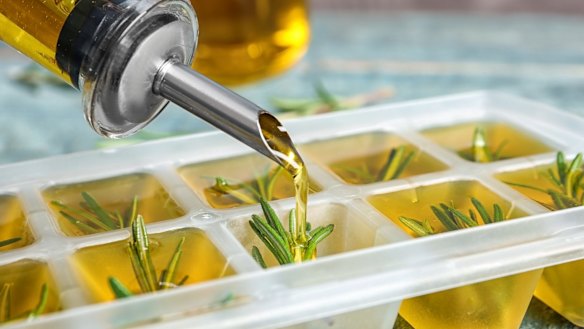
Have you ever opened your fridge on a chilly morning only to discover your olive oil has turned cloudy or even solidified? If you’ve ever wondered what happens if olive oil freezes, you’re in the right place.
This transformation might seem alarming at first, but it’s actually a fascinating process that won’t ruin your favorite kitchen staple. We’ll unravel the mystery behind frozen olive oil and what it means for its quality and taste. By understanding this natural occurrence, you can ensure your olive oil stays fresh and flavorful.
So, if you’re curious about the science behind your pantry essentials and how to make the most of them, keep reading. The answers might surprise you!
Why Olive Oil Freezes
Olive oil can freeze under certain conditions. This happens because of its natural makeup. Understanding why it freezes helps you handle and store it better.
Composition And Freezing Point
Olive oil mainly contains fats called triglycerides. These fats have different melting points. The mix of these fats sets the oil’s freezing point. Pure olive oil freezes around 20°F (-6°C). This is higher than water’s freezing point. The oil turns cloudy and thick as it cools. It may solidify if the temperature drops further.
Factors Affecting Freezing
- Type of Olive Oil: Extra virgin freezes slower than refined oil.
- Fatty Acid Profile: More saturated fats raise freezing point.
- Storage Temperature: Lower temperatures speed freezing.
- Impurities and Water: Small amounts lower freezing point.
Knowing these factors explains why your olive oil might freeze. It does not harm the oil or its quality. The texture changes but not the taste.
Credit: www.smh.com.au
Physical Changes During Freezing
Freezing olive oil causes noticeable physical changes. These changes affect how the oil looks and feels. Understanding these shifts helps in storing and using olive oil better.
Texture And Appearance
Olive oil turns thick and cloudy when frozen. It may become solid or semi-solid. The smooth liquid changes into a gel-like form. This happens because the fats in olive oil harden at low temperatures. The oil loses its usual flow and feels grainy or waxy. After thawing, the texture usually returns to normal.
Color Variations
Freezing can change olive oil’s color temporarily. The oil may look lighter or more opaque. Shades of green or yellow can fade or mix. These color shifts happen because of the solid fat crystals. Once the oil warms up, its original color comes back. The color change does not affect the oil’s quality or taste.
Impact On Taste And Aroma
Freezing olive oil can raise questions about what happens to its unique taste and aroma. Since these qualities define the oil’s character, understanding their changes after freezing is important for anyone who loves cooking with olive oil. Let’s look closely at how freezing can affect these key sensory traits.
Flavor Alterations
When olive oil freezes, its texture shifts to a cloudy or solid state, which can influence how its flavors come through. Some people notice a slight dulling of the vibrant, fruity notes they expect from fresh olive oil after it thaws. This happens because freezing can cause small changes in the oil’s chemical structure, especially in its delicate polyphenols and fatty acids.
However, if you’ve ever stored olive oil in the fridge or freezer and then tasted it later, you might find the flavors still largely intact, especially if the freezing period was short. Long freezing times or repeated thawing can lead to a more noticeable loss of sharpness or bitterness, which are key to good-quality olive oil. It’s worth asking yourself: how long do you plan to keep the oil frozen, and is it worth risking flavor loss for that?
Aroma Preservation
The aroma of olive oil is often described as fresh, grassy, or slightly peppery, and it is a big part of the overall tasting experience. Freezing tends to preserve these aromatic compounds better than heat or prolonged exposure to air. This means your olive oil’s smell might remain surprisingly fresh after thawing.
That said, if the oil is frozen in a container that isn’t airtight, it can absorb other odors from your freezer, which can mask or change its natural aroma. To keep the true scent intact, store olive oil in sealed containers and avoid long freeze times. Have you ever noticed off smells in frozen foods from your freezer? Olive oil is no different in needing proper storage to maintain its aroma.
Credit: en.petitchef.com
Is Frozen Olive Oil Safe To Use?
Olive oil can solidify and freeze at low temperatures. This change might raise questions about its safety for use. Understanding what freezing does to olive oil helps you decide if it remains good for cooking or dressings.
Nutritional Value
Freezing olive oil does not harm its nutrients. The healthy fats and antioxidants stay intact. The oil may look cloudy or thick, but the nutrition is still there. After thawing, the oil returns to its normal state without losing benefits.
Health Considerations
Frozen olive oil is safe to consume. The freezing process does not create harmful substances. The oil’s flavor might change slightly, but it remains edible. Store olive oil in a cool, dark place to keep it fresh longer.
How To Thaw Olive Oil Properly
Thawing olive oil the right way keeps its flavor and benefits intact. Proper thawing prevents damage to the oil’s texture and taste. Follow simple steps to return frozen olive oil to liquid form safely.
Safe Thawing Methods
- Place the frozen olive oil bottle in the refrigerator. This slow thawing protects the oil.
- Leave the bottle at room temperature for a few hours. Avoid direct sunlight or heat sources.
- Use warm water to gently warm the bottle. Ensure water is not hot to avoid overheating.
- Do not microwave olive oil. Quick heating can ruin the oil’s flavor and nutrients.
Avoiding Quality Loss
Keep olive oil away from heat spikes during thawing. Sudden temperature changes cause cloudiness or sediment.
Do not shake the bottle hard. This can mix sediments and affect clarity.
After thawing, store olive oil in a cool, dark place. Proper storage keeps the oil fresh longer.

Credit: utopia.org
Preventing Olive Oil From Freezing
Preventing olive oil from freezing is easier than you might think. The key lies in how and where you store it. A few simple adjustments can keep your olive oil smooth and ready to use, even in chilly environments.
Storage Tips
Keep your olive oil in a cool, dark place away from direct sunlight. Light and heat can degrade the oil, making it more likely to change texture when cold. Use airtight containers to prevent moisture and air from affecting the quality.
Glass bottles work well because they don’t react with the oil. Avoid plastic containers, which might allow air and odors to seep in. Also, try to buy smaller bottles if you don’t use olive oil often, so it stays fresh without long storage.
Ideal Temperature Ranges
Olive oil starts to solidify around 39°F (4°C), but freezing typically happens below 32°F (0°C). To keep it liquid, store your oil in a place where the temperature stays between 57°F and 70°F (14°C to 21°C). This is usually a kitchen cabinet or pantry away from heat sources.
Have you checked the temperature where you keep your oil? Even small fluctuations can cause cloudiness or thickening. If your kitchen gets cold in winter, consider moving the oil to a warmer spot or storing it at room temperature inside.
Myths About Frozen Olive Oil
Many people worry about what happens when olive oil freezes. Myths about frozen olive oil can cause confusion. These myths may make you think frozen olive oil is spoiled or useless. It is important to know the facts to avoid wasting good oil.
Common Misconceptions
- Frozen olive oil is ruined and should be thrown away.
- Freezing changes the taste and smell negatively.
- Frozen olive oil loses all its health benefits.
- Once frozen, olive oil becomes cloudy and unsafe to use.
- Freezing breaks the oil’s structure, damaging it permanently.
Scientific Facts
Olive oil can freeze because of its fat content. It solidifies but this does not spoil the oil. Freezing only changes the texture temporarily.
When olive oil thaws, it returns to its normal state. The taste and smell stay the same. Health benefits remain intact since freezing does not harm antioxidants.
Cloudiness or solid bits appear due to natural waxes in the oil. This is normal and safe. These waxes melt again at room temperature.
Freezing olive oil is a safe way to store it for long periods. It does not damage the oil’s quality or safety.
Frequently Asked Questions
Does Olive Oil Freeze In The Freezer?
Yes, olive oil can freeze but it solidifies at temperatures below 21°F (-6°C). It becomes cloudy and thick but returns to liquid at room temperature without damage.
Is Frozen Olive Oil Safe To Use?
Frozen olive oil is safe to use. Freezing does not harm its nutritional value or flavor. Just thaw it gently before use.
How Long Does Olive Oil Take To Freeze?
Olive oil usually takes several hours to freeze completely in a standard home freezer. The exact time depends on the oil’s volume and freezer temperature.
Does Freezing Affect Olive Oil Quality?
Freezing olive oil does not affect its quality or taste significantly. It might change texture temporarily, but the oil regains its original state once thawed.
Conclusion
Olive oil can freeze in very cold temperatures. Freezing changes its texture but not its taste. The oil may look cloudy or thick. This is normal and does not harm the oil. Thaw it slowly at room temperature to return to liquid form.
Avoid heating it too fast. Frozen olive oil keeps its health benefits. Store it in a cool, dark place to prevent freezing. Knowing this helps you handle olive oil better in cold weather. Use your olive oil with confidence, even after freezing.