You rely on semaglutide to manage your health, but have you ever wondered what happens if it’s not stored the right way? Keeping your medication effective is crucial, and temperature plays a big role in that.
If semaglutide isn’t refrigerated as recommended, it could lose its strength or even become unsafe to use. You’ll discover exactly what happens when semaglutide is left out, how it affects your treatment, and what steps you should take to protect your health.
Keep reading to make sure you’re getting the most from your medication every time.

Credit: www.aol.com
Semaglutide Storage Basics
Proper storage of semaglutide is essential to keep the medicine effective. This medication can lose its strength if not stored correctly. Understanding the basics of semaglutide storage helps ensure safety and results. Keep the drug safe by following simple temperature rules.
Recommended Temperature Range
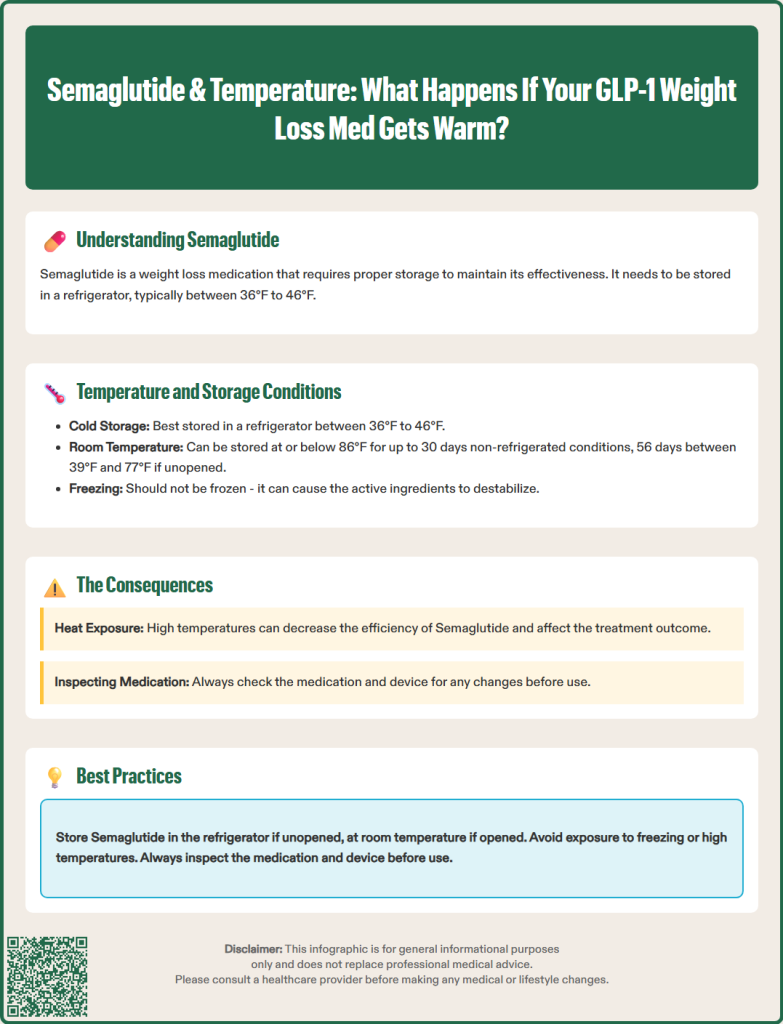
Semaglutide should be stored at temperatures between 2°C and 8°C (36°F to 46°F). This range keeps the drug stable and effective. Avoid freezing the medication, as it may damage the active ingredients. Room temperature storage is allowed only for a short time, usually up to 30 days. Always check the packaging for specific storage instructions.
Why Refrigeration Matters
Refrigeration slows down the breakdown of semaglutide. Without cold storage, the medicine can degrade quickly. This reduces its ability to control blood sugar properly. Non-refrigerated semaglutide may cause unexpected results or side effects. Keeping it cold also helps prevent bacterial growth. Proper refrigeration ensures the drug remains safe and works as intended.

Credit: www.reddit.com
Effects Of Room Temperature Exposure
Semaglutide requires proper storage to maintain its effectiveness. Exposure to room temperature can affect the medication’s quality. Understanding these effects helps ensure the drug works as intended.
Chemical Stability Changes
Semaglutide is a peptide that can break down if not kept cold. At room temperature, chemical bonds may weaken. This leads to structural changes in the drug.
These changes can cause the medicine to become less safe. Contaminants or impurities might form over time. The drug’s shelf life shortens without refrigeration.
Impact On Drug Potency
Potency means how strong the drug is. Semaglutide loses strength if stored too warm. The medicine may not lower blood sugar as well.
Reduced potency can lead to poor treatment results. Patients might need higher doses or more medication. Proper refrigeration helps keep the drug effective for longer.
Risks Of Using Non-refrigerated Semaglutide
Using semaglutide without proper refrigeration can lead to serious risks that impact your health and treatment results. This medication is sensitive to temperature changes, and improper storage may alter its chemical structure. Understanding these risks helps you protect your investment in your health and avoid unnecessary complications.
Reduced Effectiveness
Semaglutide works best when stored in a cool environment, typically between 2°C and 8°C (36°F and 46°F). If left unrefrigerated for extended periods, its active ingredients can degrade.
This degradation means the medication won’t lower your blood sugar as effectively. You might notice your glucose levels rising despite regular doses. Have you ever wondered why a medicine suddenly stops working? Improper storage could be the hidden reason.
Potential Side Effects
Using semaglutide that has lost its potency may increase the risk of side effects. The altered chemical composition can cause unexpected reactions in your body.
Some users report nausea, dizziness, or allergic responses after using improperly stored injections. These symptoms might seem random but often trace back to compromised medication quality.
Don’t risk your safety by ignoring storage guidelines. If you’re unsure whether your semaglutide has been stored correctly, consult your healthcare provider before use.
How Long Can Semaglutide Last Unrefrigerated?
Wondering how long semaglutide can last unrefrigerated? This is a common concern, especially if you accidentally leave your medication out or need to carry it with you while traveling. Understanding the time limits and storage conditions is crucial to ensure your treatment remains effective.
Manufacturer Guidelines
According to the manufacturer, semaglutide should be stored in the refrigerator between 2°C and 8°C (36°F and 46°F) before first use. Once opened or in use, it can safely remain unrefrigerated for up to 28 days, provided it is kept below 30°C (86°F).
Exceeding these temperature limits or time frames can degrade the medication, reducing its potency. The medication should never be frozen or exposed to direct sunlight. Always check the leaflet that comes with your pen for specific instructions.
Real-world Storage Scenarios
Imagine you left your semaglutide pen on the kitchen counter during a hot summer day. If the temperature rose above 30°C, the drug might lose effectiveness before you realize it. However, if it stayed below that threshold, your medication would still be safe to use within the 28-day window.
Traveling poses its own challenges. Carry your semaglutide in a cooler bag or insulated case if you expect prolonged exposure to heat. Have you ever checked your medication’s temperature during travel? Small steps like this can make a big difference.
If you accidentally leave your pen unrefrigerated beyond recommended times or temperatures, avoid guessing its condition. Consult your pharmacist or healthcare provider before continuing the medication. Your health depends on the medicine working as it should.
Signs Semaglutide May Be Compromised
Semaglutide is a delicate medication that requires proper storage to maintain its effectiveness. If it isn’t kept refrigerated, the medicine can lose potency or become unsafe to use. Recognizing the signs that semaglutide may be compromised helps you avoid taking a dose that won’t work or might cause harm.
Visual Inspection Tips
Always start with a close look at your semaglutide injection before use. Check the solution inside the pen or vial carefully under good lighting. The liquid should be clear and colorless or slightly yellowish, without any particles or cloudiness.
If you notice any clumps, cloudiness, or discoloration, these can indicate that the medicine has broken down. Don’t ignore small changes—sometimes even slight differences in appearance signal reduced effectiveness. If you see anything unusual, it’s better to be safe and avoid using it.
Changes In Appearance Or Smell
Semaglutide typically has little to no odor, so if your medication smells strange or off, that’s a red flag. A sour or chemical smell might mean the drug has deteriorated due to improper storage. Since smell is often overlooked, make it a habit to check this along with the visual inspection.
Have you ever grabbed your medication after a trip and wondered if it’s still good? Even a short time out of refrigeration can cause subtle changes you might miss. When in doubt, consult your pharmacist or healthcare provider rather than risking your health.
Proper Handling And Storage Tips
Proper handling and storage of semaglutide are essential to maintain its effectiveness. If the medication is not stored correctly, especially if left unrefrigerated for long periods, its potency can decrease. Understanding the right ways to manage semaglutide ensures you get the full benefits of your treatment.
Best Practices For Transport
Transporting semaglutide requires careful attention to temperature. Always use an insulated container or a cooler bag with ice packs to keep the medication cool during transit. Avoid placing the medication in direct sunlight or in a hot car, as heat can degrade the drug quickly.
Have you ever left medication in a warm place and noticed changes in its effectiveness? That experience shows why maintaining a stable temperature is crucial. Keep your semaglutide between 36°F and 46°F (2°C to 8°C) during transport to preserve its quality.
Storage During Travel
Travel can disrupt your usual medication routine, but storing semaglutide properly while away from home is manageable. If refrigeration isn’t available, the medication can be kept at room temperature, but not exceeding 86°F (30°C), and only for up to 30 days.
Use a travel case designed for injectable medications to protect your semaglutide from light and temperature fluctuations. Planning ahead by checking the availability of refrigeration options at your destination can save you from last-minute stress.
- Keep semaglutide in its original pen or vial packaging.
- Store it away from heat sources like heaters or direct sunlight.
- Limit the time it spends at room temperature during travel.
What To Do If Semaglutide Is Not Refrigerated
Semaglutide needs proper storage to keep its effectiveness. Not refrigerating it can change its quality. Knowing what to do if it is not refrigerated helps avoid health risks. Acting quickly can prevent using a damaged product.
When To Discard
Check the time semaglutide stayed unrefrigerated. If it was out for more than 30 days at room temperature, discard it. Discoloration or clumps in the medicine also mean discard. Never use semaglutide if it looks different than usual.
Keep in mind that using semaglutide past its safe storage time reduces its effects. Taking spoiled medicine can harm your body or cause side effects. Always follow the storage instructions on the label or leaflet.
Consulting Healthcare Providers
Contact your doctor or pharmacist if unsure about semaglutide’s safety. They can advise if the medicine is still usable or needs replacement. Share details about how long the medicine was unrefrigerated and its appearance.
Healthcare providers may suggest getting a new supply. They can also explain safe storage tips to avoid future problems. Never guess about medicine safety—always ask a professional for help.

Credit: www.reddit.com
Frequently Asked Questions
What Happens If Semaglutide Is Left At Room Temperature?
Semaglutide loses potency when exposed to room temperature for an extended period. Its effectiveness may decrease, and it might not work as intended. Always store semaglutide in the refrigerator at a temperature below 86°F (30°C) to maintain its potency.
Will Semaglutide Degrade If Not Refrigerated Properly?
Yes, semaglutide degrades rapidly when not stored in the refrigerator. Exposure to heat, light, or moisture can cause the medication to break down, reducing its efficacy. To prevent degradation, store semaglutide in the refrigerator and keep it away from direct sunlight.
Can Semaglutide Be Stored At Room Temperature For Short Periods?
Semaglutide can be stored at room temperature for a short period, but its potency may decrease. Always check the expiration date and follow the manufacturer’s guidelines. If you’re unsure, it’s best to err on the side of caution and store it in the refrigerator to maintain its effectiveness.
How Long Can Semaglutide Be Left Unrefrigerated Before It Expires?
Semaglutide typically has a 28-day shelf life when stored at room temperature. However, its effectiveness may decrease after 7-10 days. Always check the expiration date and follow the manufacturer’s guidelines to ensure the medication remains effective.
Conclusion
Storing semaglutide correctly is crucial for its effectiveness. It should be refrigerated as per guidelines. If it gets warm, the medication might lose potency. This can affect your treatment results. Always check storage instructions on the label. Consult your healthcare provider for advice if unsure.
Proper storage ensures the medication works as intended. Keep it cool and safe. Your health depends on it. Understanding these details helps in managing your medication better. Stay informed and handle semaglutide with care. Your well-being matters most.