You rely on Tirzepatide to manage your health, so keeping it effective is crucial. But what happens if Tirzepatide is not refrigerated as recommended?
Could this simple mistake affect your treatment or cause unexpected side effects? Understanding how improper storage impacts your medication can save you from wasted doses and protect your wellbeing. Keep reading to discover exactly what happens when Tirzepatide isn’t kept cold—and how to make sure your medicine stays safe and effective every time.
Tirzepatide Basics
Understanding the basics of tirzepatide can help you see why proper handling matters. This medication is designed to manage blood sugar levels in people with type 2 diabetes. Knowing how it works and how to store it can make a big difference in its effectiveness.
What Tirzepatide Does
Tirzepatide is a medication that targets two important hormones involved in blood sugar control. It helps your body release insulin after meals and reduces the amount of sugar your liver produces. This dual action can improve blood sugar levels more effectively than some other treatments.
Many users notice better energy and fewer sugar crashes. Have you ever wondered how a single medication can influence two hormones at once? That’s what sets tirzepatide apart in diabetes care.
Storage Recommendations
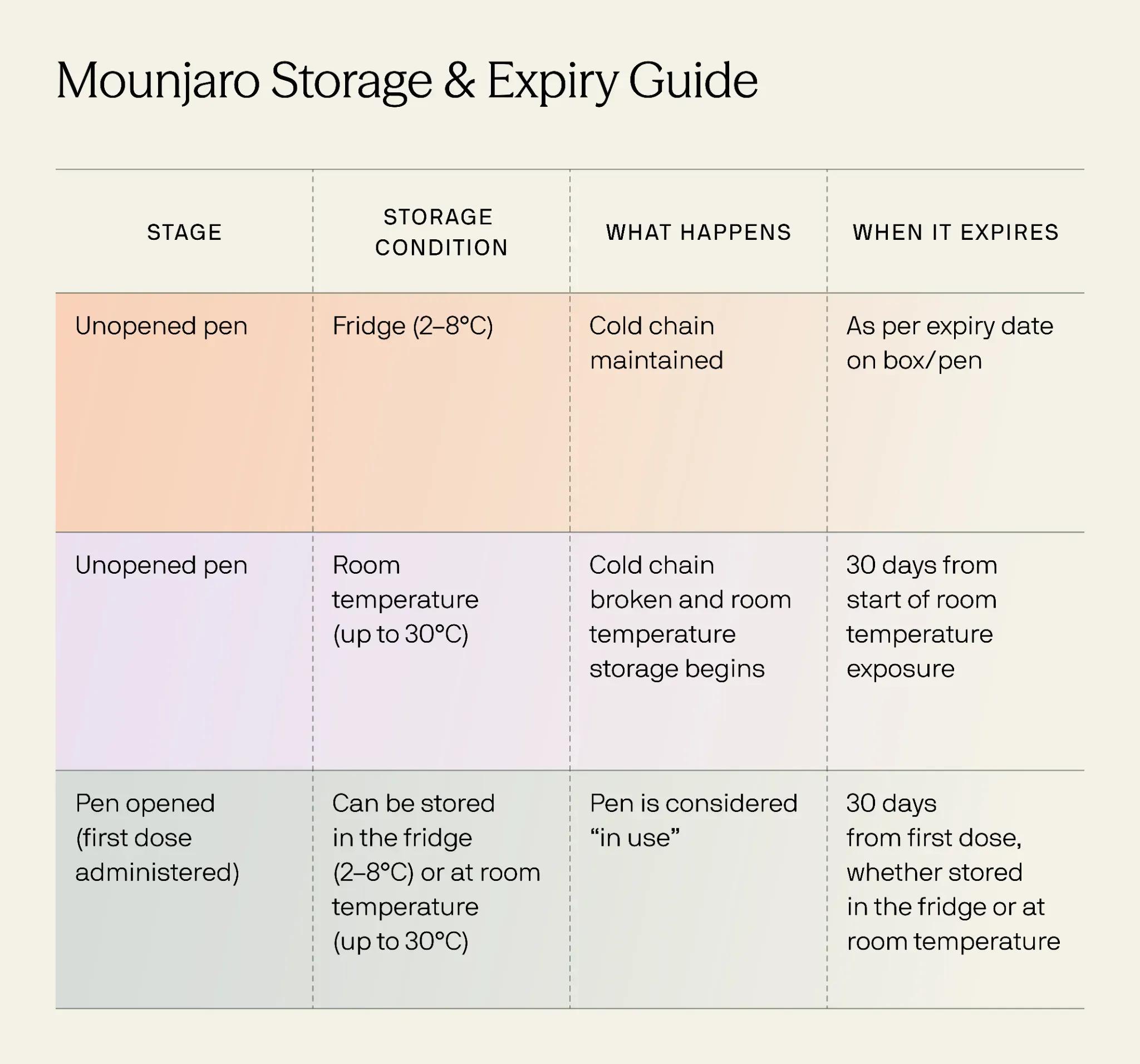
Proper storage of tirzepatide is crucial to maintain its potency. The medication must be kept refrigerated, ideally between 36°F and 46°F (2°C to 8°C). Avoid freezing it or storing it in direct sunlight.
If tirzepatide is left out of the fridge for too long, its effectiveness can decrease. Imagine using a medication that no longer works well—this could lead to unstable blood sugar levels and health risks. Have you checked your medication’s storage instructions lately?

Credit: www.reddit.com
Effects Of Room Temperature
Storing tirzepatide at room temperature can affect its quality and effectiveness. The medication is designed to stay stable under cold conditions. Leaving it out of the refrigerator may cause changes that reduce its power. Understanding these effects helps keep the treatment safe and effective.
Stability Concerns
Tirzepatide is sensitive to heat and light. At room temperature, the medication can lose stability quickly. This instability can cause clumping or cloudiness in the solution. Such changes suggest the medicine may not work as intended. Proper storage is critical to maintain the drug’s strength.
Potential Degradation
Exposure to warmth speeds up chemical breakdown. The active ingredients may degrade, reducing the drug’s potency. Degradation can also lead to harmful by-products. These by-products might cause irritation or side effects. Avoid keeping tirzepatide outside the fridge for long periods.
Health Risks From Improper Storage
Storing tirzepatide properly is essential for maintaining its safety and effectiveness. Not refrigerating this medication can lead to serious health risks. The medicine’s structure may change, causing reduced benefits or harm. Understanding these risks helps protect your health and treatment outcomes.
Reduced Effectiveness
Tirzepatide needs cold storage to stay stable. Without refrigeration, its chemical makeup can break down. This breakdown lowers the drug’s ability to control blood sugar. Taking less effective medicine may lead to poor diabetes management. It might cause higher blood sugar levels and related complications.
Possible Side Effects
Improper storage can also increase side effects. The altered medicine may irritate the injection site. Some people may experience redness, swelling, or pain. There is also a risk of unexpected reactions due to unstable ingredients. Using spoiled tirzepatide can harm your body and delay recovery.

Credit: www.goodrx.com
Signs Of Spoiled Tirzepatide
Knowing the signs of spoiled tirzepatide is crucial if you accidentally leave it out of the refrigerator. Using medication that has gone bad can affect its effectiveness and might even harm your health. Here are clear indicators to help you identify if your tirzepatide is no longer safe to use.
Visual Changes
One of the easiest ways to spot spoiled tirzepatide is by checking its appearance. If you see any cloudiness, discoloration, or unusual particles floating in the solution, this is a red flag. Tirzepatide should look clear and colorless; anything else suggests it has degraded.
Have you ever noticed a medication looking different after being left out? This visual shift is a clear warning to avoid using it. Don’t ignore changes like clumping or sediment at the bottom, as these can indicate bacterial growth or chemical breakdown.
Unusual Smell Or Texture
If your tirzepatide smells off or has a strange texture, it’s best not to take chances. A sour or unusual odor can mean the medication has started to spoil. Similarly, if the solution feels sticky or thicker than usual, it’s a sign the drug’s chemical structure might have changed.
Imagine opening a vial and immediately sensing something “off”—trust that instinct. Using spoiled tirzepatide can lead to ineffective treatment or unexpected side effects. Always check smell and texture before using your medication, especially if it wasn’t refrigerated properly.
Safe Handling Tips
Handling tirzepatide carefully keeps the medication effective and safe. Proper storage and transport protect it from damage. This section guides on how to manage tirzepatide without risking its quality.
Best Storage Practices
- Keep tirzepatide refrigerated between 2°C and 8°C (36°F to 46°F).
- Do not freeze the medication; freezing can ruin its structure.
- Store in the original container to protect from light.
- Once opened, follow instructions for usage time limits.
- Do not leave tirzepatide outside the fridge for more than 14 days.
- Check the expiration date before use.
Transporting Tirzepatide
- Use a cooler bag or insulated container for short trips.
- Avoid exposure to heat or direct sunlight during transport.
- Keep the medication upright and secure to prevent damage.
- Plan transport to minimize time outside refrigeration.
- If transport exceeds recommended time, consult a pharmacist before use.
What To Do If Mishandled
Proper storage of tirzepatide is essential for its effectiveness. If the medication is not refrigerated, its quality may decline. Acting quickly can help avoid risks linked to using spoiled medicine.
Understanding what steps to take after mishandling tirzepatide can protect your health. Knowing when to replace the medication and seeking advice from healthcare providers are key actions.
When To Replace Medication
Check the medication for any changes in color or clarity. Cloudy or discolored tirzepatide should not be used. Also, consider how long the medicine was left unrefrigerated. If it was out for more than the recommended time, replacement is necessary. Using damaged medication can reduce treatment effectiveness and cause side effects.
Consulting Healthcare Providers
Contact a healthcare provider immediately if there is any doubt about the medication’s condition. They can give clear guidance on whether to continue or replace tirzepatide. Never make changes to your treatment without professional advice. Providers can also help with prescription refills and proper storage tips to avoid future mishandling.
Credit: www.joinvoy.com
Frequently Asked Questions
What Is Tirzepatide Used For?
Tirzepatide is a medication used to manage type 2 diabetes. It helps control blood sugar levels. By mimicking hormone actions, it stimulates insulin release. This assists in lowering blood sugar after meals. Proper storage of tirzepatide is crucial for its effectiveness.
How Should Tirzepatide Be Stored?
Tirzepatide should be stored in a refrigerator between 36°F and 46°F. Avoid freezing it. If refrigeration is not possible, it can be kept at room temperature for up to 21 days. Always protect it from direct sunlight and heat to maintain its effectiveness.
What Happens If Tirzepatide Is Left Out Overnight?
If Tirzepatide is left out overnight, it may still be usable. It can remain stable at room temperature for up to 21 days. However, ensure it is not exposed to temperatures above 86°F. If in doubt, consult a healthcare professional before use.
Can Unrefrigerated Tirzepatide Cause Side Effects?
Unrefrigerated tirzepatide may lose its potency, but it generally won’t cause new side effects. It may not effectively control blood sugar levels. Always check with your healthcare provider if you suspect the medication has been improperly stored.
Conclusion
Tirzepatide needs cold storage to stay effective. Leaving it out can cause it to lose strength. This might make the medicine less helpful for your health. Always store tirzepatide in the fridge as instructed. Doing this keeps the medicine safe and works well.
Remember, proper care helps get the best results. Avoid risks by keeping tirzepatide cool at all times. Your health depends on using the medicine correctly. Simple steps make a big difference in treatment success.