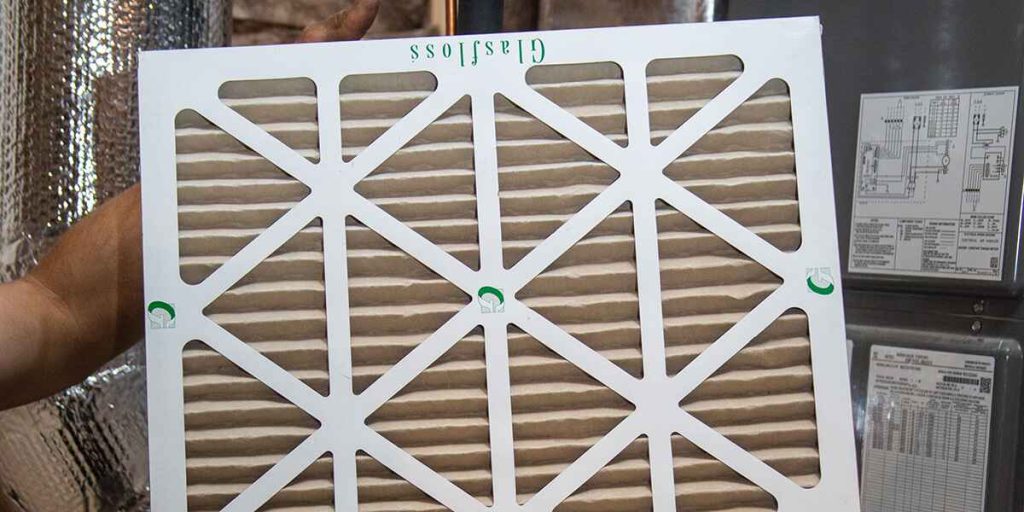
Have you ever wondered what really happens if you don’t change your air conditioner filter? It might seem like a small task, but ignoring it can lead to big problems for your comfort and your wallet.
Your air conditioner works hard to keep your home cool, but a dirty filter can slow it down, raise your energy bills, and even harm your health. Keep reading to find out why changing your air conditioner filter is one of the easiest ways to protect your home and stay comfortable all year long.

Credit: climatecontrolinc.com
Air Conditioner Filter Basics
Air conditioner filters keep the air clean inside your home. They catch dust, dirt, and other particles. Changing the filter regularly helps your system work well.
Not changing the filter can cause problems. It can make your air conditioner less efficient and harm air quality.
Role Of The Filter
The filter’s main job is to trap dust, pollen, and debris. It stops these particles from entering the air you breathe. A clean filter keeps the air fresh and your system safe.
- Protects the air conditioner parts from dirt
- Keeps indoor air clean and healthy
- Improves system efficiency
- Reduces energy use and costs
Types Of Filters
Air conditioner filters come in different kinds. Each type offers different levels of air cleaning. Some are better for allergies, others for dust control.
| Filter Type | Description | Common Use |
| Fiberglass | Basic, low-cost filter | Traps large particles |
| Pleated | Thicker with folds for more surface | Better for dust and allergens |
| HEPA | High-efficiency filter | Captures tiny particles, great for allergies |
| Electrostatic | Uses static electricity to trap dust | Reusable and effective |
Signs Of A Dirty Filter
Changing your air conditioner filter is important for keeping air clean. A dirty filter causes problems in your home.
Here are common signs that your air filter needs to be replaced soon.
Reduced Airflow
A clogged filter blocks air from moving freely through your vents. This makes rooms feel warmer or cooler than usual.
You may notice your air conditioner runs longer but does not cool well. This wastes energy and strains the system.
Unpleasant Odors
Dust, dirt, and mold can build up on a dirty filter. This causes bad smells in your home when the AC runs.
If you smell musty or dusty air, check your filter. A clean filter helps keep air fresh and healthy.
Increased Allergies
Dirty filters let dust and allergens circulate in your home. This can cause sneezing, coughing, and itchy eyes.
Changing the filter regularly reduces allergy symptoms and improves indoor air quality.
Impact On Air Quality
Changing your air conditioner filter is important for clean air. A dirty filter can harm the air quality inside your home.
When the filter is not replaced, dust and pollutants stay in the air. This can cause breathing problems and allergies.
Dust And Allergens Build-up
Air filters catch dust, pollen, and other allergens from the air. If you don’t change the filter, these particles collect and block airflow.
Blocked airflow means dust and allergens stay in your home. This can cause sneezing, coughing, and itchy eyes.
- Dust particles increase in the air
- Allergens like pollen build up
- Air becomes harder to breathe
- People with allergies feel worse
Mold And Bacteria Growth
Dirty filters can trap moisture. This creates a good place for mold and bacteria to grow.
Mold spores and bacteria spread through the air conditioner. This lowers air quality and can cause health problems.
- Mold spores enter the air you breathe
- Bacteria can cause infections
- Air smells musty or bad
- Health risks increase for sensitive people
Effect On Ac Performance
Air conditioner filters play a key role in keeping your AC running well. When you don’t change the filter, your AC’s performance drops. This causes several problems that affect cooling and energy use.
Let’s look at how a dirty filter impacts your air conditioner’s ability to cool your home efficiently and what issues it can cause.
Decreased Cooling Efficiency
A clogged filter blocks airflow inside your AC unit. This makes it harder for the system to cool the air properly. The AC struggles to keep your home at the set temperature.
- Reduced airflow lowers cooling power
- Rooms take longer to cool down
- Uneven cooling across different areas
- Increased wear on AC components
Higher Energy Bills
When the filter is dirty, the AC uses more energy to cool your home. It has to work harder and run longer to reach the right temperature. This extra effort raises your electric bill.
| Condition | Energy Use | Monthly Cost |
| Clean Filter | Normal | $50 |
| Dirty Filter | High | $70 |
Frequent Breakdowns
A dirty filter strains the AC system. Dust and dirt build up inside, causing parts to wear out faster. This leads to more repairs and shorter lifespan for your air conditioner.
Signs of problems caused by a dirty filter:
- AC stops cooling suddenly
- Strange noises from the unit
- Water leaks near the AC
- Unusual smells from vents
Health Risks Linked To Dirty Filters
Dirty air conditioner filters trap dust, pollen, and mold. These particles reduce air quality inside your home.
Failing to change filters regularly can harm your health. It causes problems especially for people with allergies or breathing issues.
Respiratory Issues
Dirty filters make your AC blow dust and allergens back into the air. This can cause coughing, wheezing, and shortness of breath.
- Increased risk of bronchitis and other lung infections
- More frequent colds and flu due to poor air quality
- Difficulty breathing for people with lung diseases
Aggravated Allergies And Asthma
Allergens trapped in dirty filters worsen allergy and asthma symptoms. This leads to sneezing, runny nose, and chest tightness.
| Symptom | Cause | Effect |
| Runny Nose | Dust and pollen in air | Discomfort and constant wiping |
| Wheezing | Airborne irritants | Difficulty in breathing |
| Chest Tightness | Inhaled allergens | Asthma attacks |
Long-term Damage To Ac System
Not changing your air conditioner filter can harm your AC system over time. Dust and dirt build up inside the system. This causes parts to work harder than they should.
Ignoring filter changes can lead to expensive repairs. It also lowers the system’s ability to cool your home well.
Compressor Strain
The compressor is a key part of your AC system. It moves refrigerant to cool your home. A dirty filter blocks airflow and makes the compressor work harder.
When the compressor strains, it uses more energy and heats up. This can cause it to break down early. A broken compressor is costly to fix or replace.
Reduced Lifespan
A dirty filter makes the whole AC system less efficient. Over time, this speeds up wear and tear on all parts. The system will not last as long as it should.
Regular filter changes help protect your AC. Keeping the system clean lets it run smoothly for many years.
Maintenance Tips
Changing your air conditioner filter is important for its good work. Dirty filters cause issues that can cost you money and comfort.
Below are some tips to keep your AC filter clean and working well all year.
How Often To Change Filters
You should change your air conditioner filter regularly to keep the air clean and the system efficient. Most filters need changing every 1 to 3 months. If you have pets or allergies, change more often.
- Check the filter every month.
- Change it if it looks dirty or clogged.
- Follow the manufacturer’s guide for your specific filter.
Choosing The Right Filter
Choosing the right filter helps your AC work better and lasts longer. Filters come in different types and sizes.
| Filter Type | Benefits | Change Frequency |
| Fiberglass | Low cost, basic filtration | Every 1 month |
| Pleated | Better dust capture | Every 3 months |
| HEPA | Traps very small particles | Every 6 months |
Diy Filter Replacement
Replacing your air conditioner filter yourself saves time and money. You only need a few simple steps.
- Turn off the AC unit before starting.
- Locate the filter slot, usually near the air return.
- Remove the old filter carefully.
- Insert the new filter with the airflow arrow pointing correctly.
- Close the slot and turn the AC back on.

Credit: www.youtube.com

Credit: www.reddit.com
Frequently Asked Questions
What Happens If Ac Filter Is Not Changed Regularly?
A dirty AC filter blocks airflow, reducing cooling efficiency. It strains the system, increasing energy bills and risking breakdowns. Air quality worsens, causing allergies or respiratory issues. Regular changes keep your AC running smoothly and your indoor air clean.
How Often Should You Replace An Air Conditioner Filter?
Air conditioner filters should be changed every 1 to 3 months. Frequency depends on usage, pets, and air quality. Regular replacement ensures optimal cooling, energy efficiency, and prevents dust buildup in your system.
Can A Clogged Filter Damage My Air Conditioner?
Yes, a clogged filter restricts airflow, causing the AC to overheat. This leads to increased wear and tear, potential compressor failure, and costly repairs. Timely filter changes protect your AC’s lifespan and performance.
Does A Dirty Ac Filter Increase Energy Bills?
A dirty filter makes the AC work harder, consuming more electricity. This inefficiency raises your energy bills significantly. Clean filters improve airflow, reduce strain, and keep your energy costs low.
Conclusion
Neglecting your air conditioner filter leads to multiple issues. Dirty filters strain your system. This increases energy bills. Poor air quality affects your health. Allergies and asthma can worsen. Regular filter changes extend your AC’s life. They also save money on repairs.
A clean filter ensures efficient cooling. It keeps your home comfortable and healthy. Remember, maintaining your AC is simple. A fresh filter makes a big difference. Keep your air conditioner running smoothly. Prioritize filter changes. Enjoy clean air and a reliable system.
Stay cool and breathe easy.