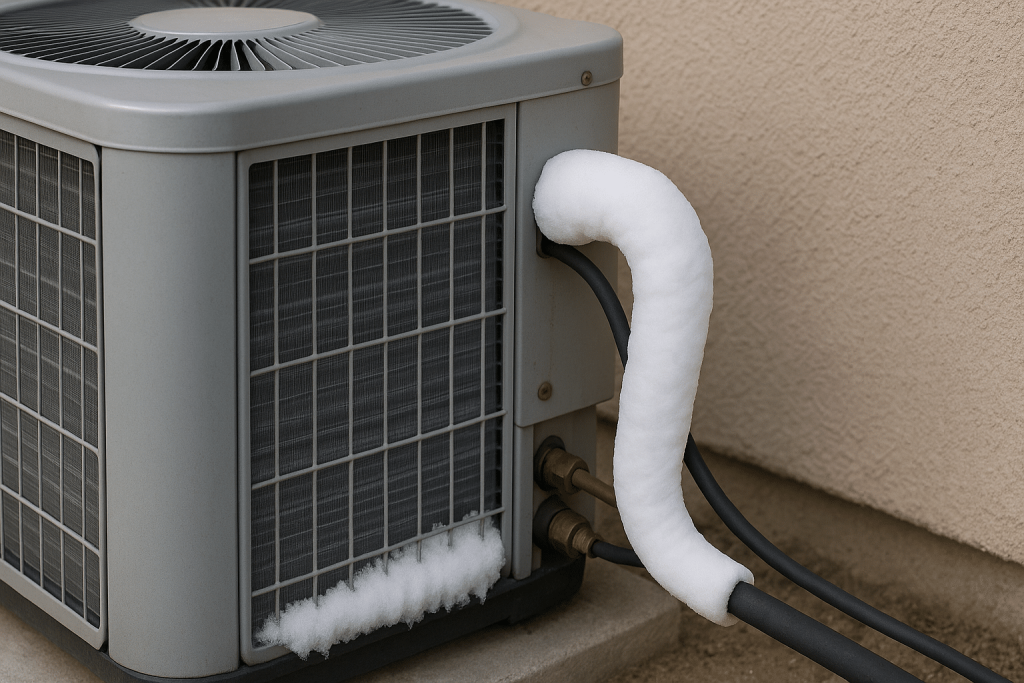
Have you ever noticed ice building up on your air conditioner and wondered what’s going on? If your air conditioner freezes up, it’s more than just a strange sight—it can cause serious problems for your comfort and your wallet.
You might feel confused or worried about what to do next. Don’t ignore it. Understanding why this happens and how to fix it can save you from costly repairs and keep your home cool when you need it most. Keep reading to find out exactly what happens if your air conditioner freezes up and how you can take control before things get worse.

Credit: www.davisheat.com
Why Air Conditioners Freeze
Air conditioners can freeze up and stop working properly. This happens for different reasons. Understanding these causes helps you fix the problem faster.
When ice forms on the coils, the air conditioner cannot cool your home. Let’s look at the main reasons why your AC freezes.
Low Refrigerant Levels
Refrigerant is the liquid that cools the air in your AC. If the level is low, the pressure drops and the coils get too cold. This causes ice to build up and freeze the unit.
Poor Airflow Issues
Good airflow is needed to keep the AC working well. Blocked vents or closed doors reduce airflow. This makes the coils colder than normal, leading to freezing.
Dirty Air Filters
Air filters trap dust and dirt. When they get dirty, air cannot flow freely. This causes the coils to get too cold and ice forms on them.
- Check filters every month
- Replace or clean dirty filters
- Use the right size filter for your AC
- Keep the area around the filter clean
Thermostat Problems
If the thermostat is broken or set too low, the AC runs too long. This can freeze the coils because the system never stops to warm up.
Faulty Blower Fan
The blower fan moves air over the coils. If it breaks or slows down, air does not flow well. This causes the coils to freeze and stops the AC from working.
| Cause | Effect | Fix |
|---|---|---|
| Low Refrigerant | Ice on coils | Refill refrigerant by a technician |
| Poor Airflow | Cold coils freeze | Open vents and doors |
| Dirty Filters | Blocked air flow | Clean or replace filters |
| Thermostat Issues | Long run times | Check or replace thermostat |
| Faulty Blower Fan | Low air circulation | Repair or replace fan |
Signs Of A Frozen Ac Unit
A frozen air conditioner can stop working properly. It may not cool your home well. You need to know the signs early to avoid damage.
Look for these common signs that show your AC unit might be frozen. Acting fast can save you money and keep your home comfortable.
Ice Buildup On Coils
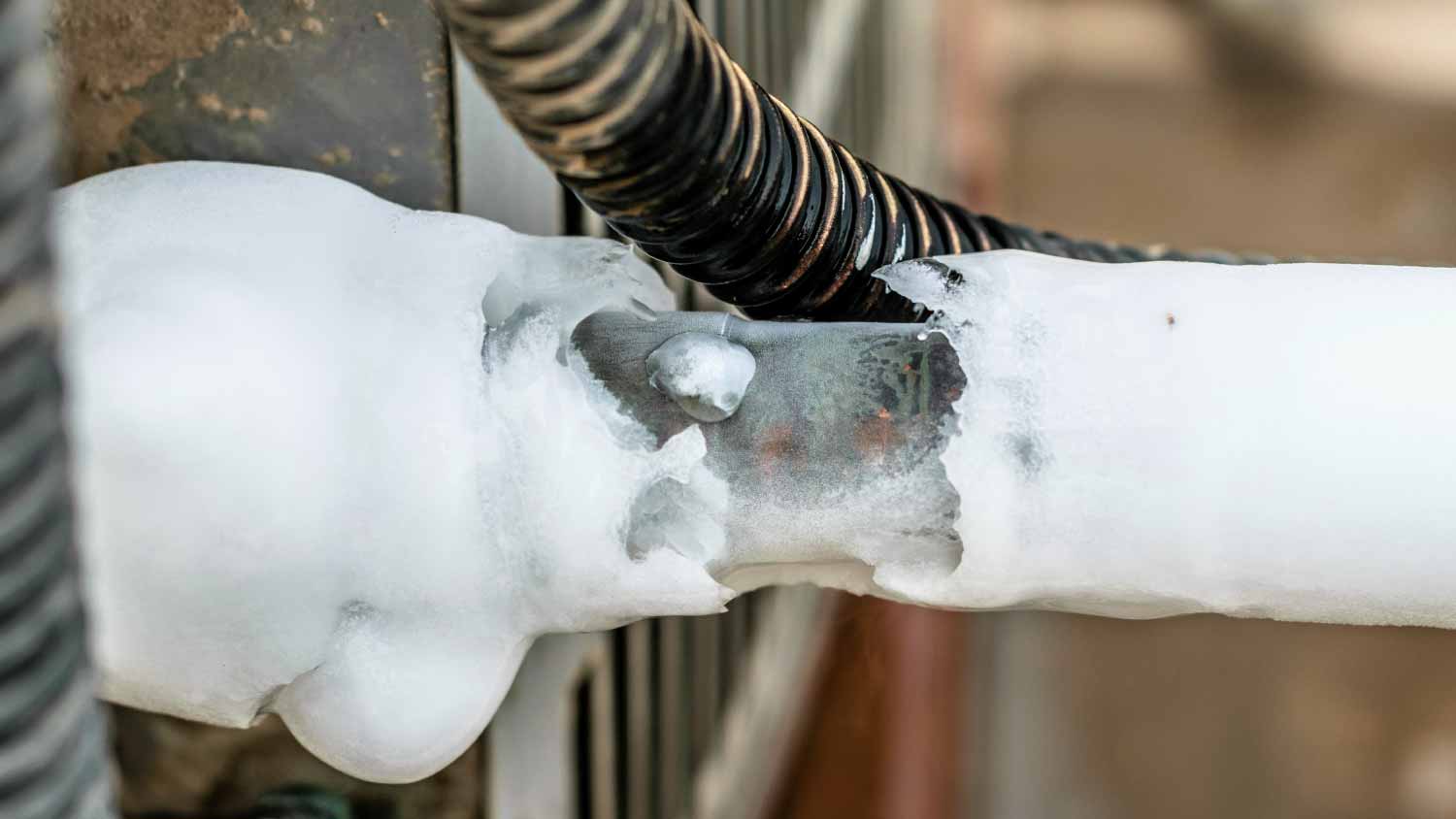
One clear sign of a frozen AC is ice on the coils. The coils are inside the unit and help cool the air. Ice can cover these coils and block airflow.
- White or clear ice on the evaporator coil
- Ice around refrigerant lines
- Frost on the outdoor unit in cold weather
Reduced Cooling Performance
Your AC may blow warm or less cold air if it is frozen. The frozen coils cannot absorb heat well. This lowers the unit’s ability to cool your home.
Unusual Noises
Frozen parts can cause strange sounds in your AC unit. Listen for these noises:
- Hissing or bubbling from refrigerant flow issues
- Rattling caused by ice blocking fan blades
- Clicking sounds from the unit struggling to start
Water Leaks
| Cause | Effect |
|---|---|
| Ice melting from frozen coils | Water pooling near indoor unit |
| Clogged or frozen drain line | Water dripping inside the house |
| Excess condensation due to poor airflow | Leaks around the AC unit base |
How To Fix A Frozen Ac
A frozen air conditioner can stop cooling your home. It can also damage the system if not fixed quickly. Knowing how to fix a frozen AC can save you money and keep you cool.
Below are simple steps to help you fix a frozen air conditioner safely and effectively.
Turn Off The System
First, turn off your air conditioner to let the ice melt. Running the system while frozen can cause more damage. Use the thermostat or switch off the power at the breaker box.
Replace Or Clean Filters
Dirty or clogged filters reduce airflow and cause the AC to freeze. Check your filters and clean or replace them if needed. This simple step helps prevent freezing and improves air quality.
Check And Repair Refrigerant Levels
Low refrigerant levels cause the AC to freeze. You need a professional to check and fix refrigerant leaks. Do not try to add refrigerant yourself. It requires special tools and knowledge.
Improve Airflow
- Keep vents and registers open and unblocked.
- Clear debris around the outdoor unit.
- Check that fans inside the unit work properly.
- Use ceiling fans to help circulate air.
Good airflow stops ice from building up on the coils. It helps your AC work better and last longer.
Inspect Thermostat Settings
| Thermostat Issue | What to Do |
|---|---|
| Set too low | Raise temperature to a normal level (around 75°F) |
| Fan set to ‘Auto’ | Try setting fan to ‘On’ for better airflow |
| Old or faulty thermostat | Replace or recalibrate the thermostat |
Credit: www.angi.com
Preventing Future Freezing
Air conditioners may freeze up if not cared for well. Freezing blocks airflow and lowers cooling.
Preventing this problem helps your AC work better and last longer. Use simple tips below.
Regular Maintenance Tips
Clean or replace your AC filters every month during use. Dirty filters reduce airflow and cause freezing.
- Check evaporator coils for dirt and clean them carefully.
- Clear debris from around outdoor units.
- Make sure drain lines are not blocked.
- Keep thermostat settings steady to avoid strain.
Scheduling Professional Inspections
Have a licensed technician inspect your AC yearly. They find problems early and fix parts before freezing starts.
| Inspection Task | Why It Helps |
| Check refrigerant levels | Prevents low pressure and freezing |
| Inspect electrical connections | Ensures safe operation |
| Test thermostat accuracy | Keeps temperature stable |
| Clean coils and fans | Improves airflow |
Keeping Vents Clear
Blocked vents stop air from moving freely. This can freeze the AC’s coils.
- Do not block vents with furniture or curtains.
- Keep vents clean of dust and dirt.
- Make sure all vents in your home are open.
- Use floor or ceiling fans to help air circulate.
Using A Programmable Thermostat
A programmable thermostat keeps your home temperature steady. This reduces strain on the AC and stops freezing.
| Thermostat Setting | Benefit |
|---|---|
| Set temperature higher when away | Less AC run time, prevents ice build-up |
| Use gradual changes | Avoids sudden cooling stress |
| Maintain consistent temperature | Keeps airflow steady |

Credit: a1heating.com
Frequently Asked Questions
Why Does My Air Conditioner Freeze Up?
Air conditioners freeze up due to restricted airflow or low refrigerant levels. Dirty filters or blocked vents reduce airflow, causing coils to freeze. Low refrigerant causes improper cooling, leading to ice formation. Regular maintenance prevents freezing and ensures efficient operation.
How To Fix A Frozen Air Conditioner Coil?
Turn off the AC and let the ice melt completely. Check and replace dirty air filters. Clear blocked vents and ensure proper airflow. If freezing persists, call a professional to inspect refrigerant levels and system components.
Can A Frozen Ac Damage My System?
Yes, a frozen AC can damage the compressor and other parts. Ice buildup causes strain and overheating, leading to costly repairs. Address freezing issues promptly to avoid permanent damage and maintain system efficiency.
How Long Does It Take For Ac To Thaw?
Thawing a frozen AC typically takes 1 to 4 hours. Turn off the unit and allow ice to melt naturally. Avoid using heat sources to speed up thawing, as this can cause damage.
Conclusion
A frozen air conditioner can cause inconvenience and discomfort. Regular maintenance helps prevent freezing issues. Check your unit often to spot early signs. Clean filters and vents to keep airflow steady. Address refrigerant leaks promptly. Frozen coils may lead to bigger problems if ignored.
Consult a professional if unsure about repairs. Keep your cooling system in peak condition for comfort. Simple steps can save time and money. Understanding the causes helps you avoid future freezes. Stay cool and worry-free all summer long.