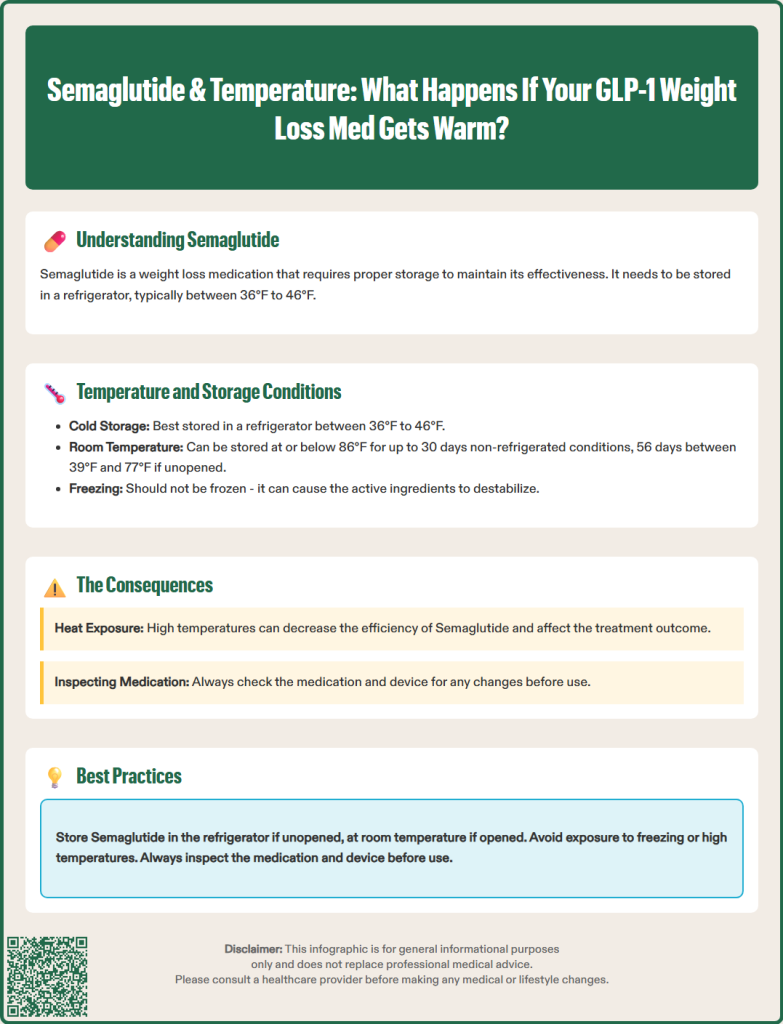
Have you ever wondered what happens to semaglutide if it’s not refrigerated? Whether you’re using it to manage diabetes or for other health reasons, understanding how to properly store your medication is crucial.
Imagine this: you’ve just realized that your semaglutide pen has been left out of the fridge. Panic sets in as you question its effectiveness and safety. Don’t worry; you’re not alone in this concern. We’ll uncover the truth about semaglutide’s stability when it’s not refrigerated.
By the end, you’ll have the knowledge you need to ensure your medication remains safe and effective. Keep reading to safeguard your health and avoid costly mistakes.

Credit: www.reddit.com
Semaglutide Storage Basics
Understanding how to store semaglutide properly is key to maintaining its effectiveness. Semaglutide is a medication that can lose potency if not kept under the right conditions. Knowing the basics of its storage can help you avoid wasted doses and ensure your treatment stays on track.
Recommended Temperature Range
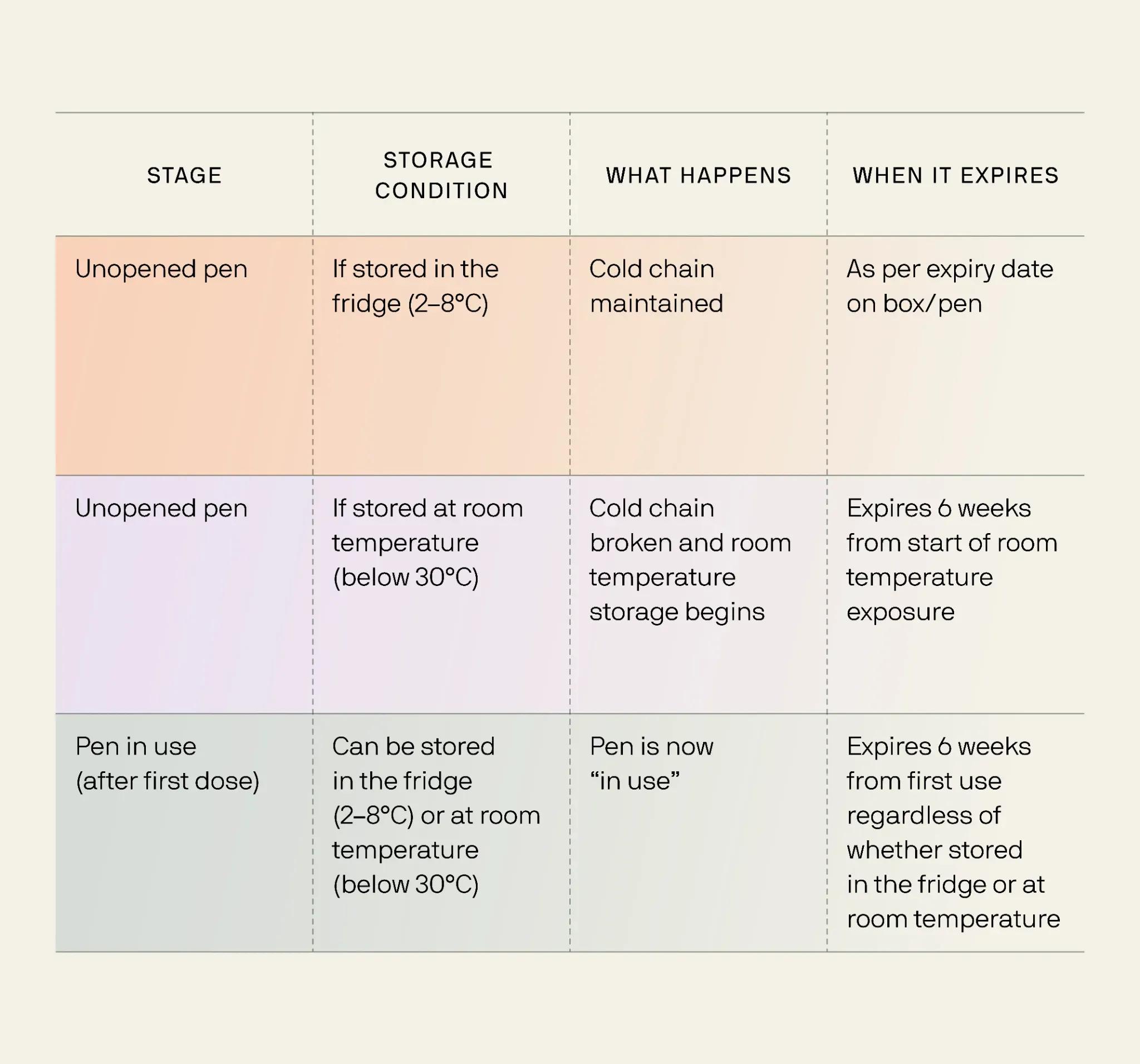
Semaglutide should be stored in a refrigerator at a temperature between 2°C and 8°C (36°F to 46°F). This range keeps the medication stable and prevents it from breaking down. If you accidentally leave it out, make sure it doesn’t exceed room temperature for more than a day.
Once opened, some semaglutide pens can be kept at room temperature, but only up to 30°C (86°F) and usually for no longer than 30 days. Always check the specific instructions on your medication packaging to avoid confusion.
Why Refrigeration Matters
Without proper refrigeration, semaglutide molecules can degrade quickly. This degradation reduces the drug’s ability to control blood sugar effectively. Have you ever noticed a medication losing its impact after improper storage? That’s exactly what happens here.
Refrigeration slows down the breakdown process by keeping the medication stable and safe for use. Skipping this step might mean you’re injecting a less effective dose, which can affect your health goals and daily routine.
Think about how careful you are with fresh food—medications like semaglutide deserve the same attention. Are you storing your medicine in the right place to get the full benefit?
Credit: www.joinvoy.com
Effects Of Not Refrigerating Semaglutide
Semaglutide is a medication that needs careful storage to stay effective. Not refrigerating this drug can lead to several problems that affect its quality. Understanding these effects helps in proper handling and safe use.
Potential Degradation
Semaglutide is sensitive to heat and room temperature. Without refrigeration, its molecules can break down. This process is called degradation. It reduces the drug’s stability and may cause it to lose its intended effects.
Impact On Potency
The strength of semaglutide drops if not kept cold. Lower potency means the medicine might not work well. This can affect blood sugar control and treatment success. Using less potent medication can delay health improvements.
Changes In Appearance
Improper storage can change how semaglutide looks. The solution may become cloudy or develop particles. These visual changes indicate the drug is no longer safe to use. Clear and colorless solution is a sign of good quality.
Duration Semaglutide Can Last Without Refrigeration
Semaglutide needs careful storage to keep its effectiveness. Knowing how long it can last without refrigeration helps avoid waste and ensures safety. This section explains the duration semaglutide can stay good at room temperature and what the manufacturer advises.
Room Temperature Stability
Semaglutide can remain stable outside the fridge for a limited time. Usually, it lasts about 30 days at room temperature. The ideal range is between 59°F and 86°F (15°C to 30°C). Storing it longer than this may reduce its strength. Avoid exposure to direct sunlight or heat. Keep it in a dry place for best results.
Manufacturer Guidelines
The manufacturer recommends storing semaglutide in the refrigerator at 36°F to 46°F (2°C to 8°C). Once opened, it can stay outside the fridge for up to 30 days. After this period, it should be discarded. Unopened pens must always be kept refrigerated until use. Following these guidelines ensures the medication works properly and stays safe.
How To Handle Semaglutide After Exposure To Heat
Semaglutide is sensitive to heat and must be handled carefully after exposure. Heat can change its structure and reduce its effectiveness. Proper care helps keep the medication safe and working well.
After semaglutide is exposed to heat, check it closely. Look for any signs that show it might be spoiled or unsafe to use. Knowing these signs helps you decide if you should keep or discard the medication.
Signs Of Spoilage
- Changes in color, such as darkening or cloudiness
- Visible particles or clumps in the solution
- Unusual smell or odor
- Changes in texture, like thickening or separation
These signs suggest semaglutide has lost its quality and may not work properly.
When To Discard
- If you notice any signs of spoilage
- If semaglutide was left in heat above recommended temperatures for several hours
- If it was exposed to direct sunlight
- If the medication has passed its expiration date
Discard the medication to avoid ineffective treatment or harmful effects. Always follow storage guidelines to maintain semaglutide’s safety and strength.
Best Practices For Storing Semaglutide
Proper storage of semaglutide is crucial to maintain its effectiveness and safety. Incorrect handling can degrade the medication, making it less effective or even unsafe to use. Understanding the right conditions for storing semaglutide can help you avoid common pitfalls and ensure your treatment stays on track.
During Travel
Traveling with semaglutide requires extra care. The medication should stay between 36°F and 46°F (2°C and 8°C) to remain stable. Carry a small insulated cooler or an FDA-approved travel case with ice packs to keep it cool but avoid direct contact with ice to prevent freezing.
Have you ever forgotten your medication in a hot car or unplanned delay disrupted your routine? Planning ahead can prevent these mishaps. Keep the medication close to you, not in checked luggage, and check the temperature regularly if possible.
At Home Storage Tips
At home, the best place to store semaglutide is in the refrigerator but away from the freezer section. Freezing can damage the medication, so keep it on a middle shelf where the temperature is consistent. Avoid storing it near the door where the temperature fluctuates with frequent opening.
If you prefer to keep semaglutide at room temperature after first use, make sure it is below 86°F (30°C) and use it within 30 days. Have you noticed how some spots in your kitchen get hotter than others? Find a cool, dry place away from sunlight and heat sources like ovens or windows.

Credit: www.aol.com
Frequently Asked Questions
How Long Can Semaglutide Stay Unrefrigerated?
Semaglutide can remain stable at room temperature for up to 30 days. Beyond this, its effectiveness may decrease. Always check the manufacturer’s guidelines to ensure safe usage.
Does Not Refrigerating Semaglutide Reduce Its Effectiveness?
Yes, improper storage can reduce Semaglutide’s potency. Exposure to heat or prolonged room temperature may degrade the medication. Refrigeration preserves its strength and ensures optimal results.
Can Semaglutide Be Used After Freezing?
No, freezing Semaglutide damages its structure and effectiveness. It should never be frozen. Always store it between 36°F and 46°F (2°C to 8°C) for safety.
What Happens If Semaglutide Is Exposed To Heat?
Heat exposure can cause Semaglutide to break down and lose potency. Avoid leaving it in hot places, like cars or direct sunlight, to maintain medication integrity.
Conclusion
Semaglutide needs proper storage to stay effective. Not refrigerating it can make the medicine weaker. This may affect how well it controls blood sugar. Always check the label for storage instructions. Keep the medicine away from heat and sunlight. Using spoiled semaglutide can reduce its benefits.
Protect your health by storing it correctly. Small steps help keep your treatment working well. Remember, good care of medicine supports better health outcomes.