
Have you ever wondered what happens to the plastic in dishwasher pods after they vanish into the whirl of water and suds? It’s a question that might not cross your mind often, but it’s more important than you think.
Every time you load your dishwasher and pop in a pod, you’re making a choice that impacts not just your dishes, but the environment. You might assume that the plastic simply disappears, but the truth is far more complex. Understanding the journey of this plastic can help you make more informed decisions and contribute to a healthier planet.
Get ready to uncover the reality behind these seemingly magical cleaning agents and discover how your daily choices can make a difference.
Composition Of Dishwasher Pods
Dishwasher pods might look simple, but their composition is quite complex. Understanding what goes inside these pods helps you see how they work and what happens to their materials after use. Let’s break down what makes these pods effective and what kind of plastic they contain.
Ingredients Inside The Pods
Dishwasher pods combine several powerful ingredients designed to clean dishes thoroughly. They usually contain:
- Detergents:These break down grease and food residues.
- Enzymes:They target proteins and starches, helping to remove stuck-on food.
- Bleaching agents:Used to tackle stains and brighten glassware.
- Water softeners:Prevent mineral deposits from hard water.
- Rinse aids:Improve drying and reduce spots.
Each ingredient plays a specific role to ensure your dishes come out spotless. Have you ever wondered how all these chemicals work together in such a small package?
Types Of Plastic Used
The outer layer of dishwasher pods is made from a special kind of plastic that dissolves in water. This plastic is usually a form of polyvinyl alcohol (PVA), chosen because it breaks down quickly during the washing cycle.
Unlike typical plastics that linger in the environment, PVA is water-soluble and designed to disappear completely, leaving no residue on your dishes. However, not all PVA breaks down at the same rate, and environmental conditions can affect this process.
Knowing the type of plastic used helps you understand whether the pod’s packaging contributes to plastic pollution or not. Have you checked if your dishwasher pods use this kind of dissolvable plastic yet?

Credit: www.familyhandyman.com
How Dishwasher Pods Work
Dishwasher pods simplify dishwashing by combining detergent and plastic packaging in one small unit. These pods release cleaning agents during the wash cycle, ensuring your dishes come out spotless. Understanding how dishwasher pods work helps explain what happens to the plastic after use.
Dissolving Process In Water
Dishwasher pods contain a special plastic film that dissolves in water. This film is designed to break down quickly once it meets the right amount of water. The pod’s detergent inside then activates and starts cleaning your dishes.
The plastic used is usually made from polyvinyl alcohol (PVA). PVA dissolves completely in warm water, leaving no solid residue behind. This helps the pod release its contents fully during the wash.
Temperature And Time Factors
Water temperature plays a key role in dissolving the pod’s plastic. Higher temperatures speed up the process, helping the pod break down faster. Most dishwashers use water around 120°F to 160°F, ideal for dissolving the plastic film.
The time the pod spends in water also matters. Longer wash cycles give the plastic more time to dissolve completely. Short cycles or cooler water may leave some residue, reducing cleaning power.
Fate Of Plastic Film
The plastic film that wraps dishwasher pods often raises questions about its fate once inside your machine. Understanding what happens to this film can help you make smarter choices for your household and the environment. Let’s look closely at how these films behave and what impact they leave behind.
Water-soluble Vs Non-soluble Films
Many dishwasher pods use water-soluble films made from polyvinyl alcohol (PVA). These films dissolve completely in water during the wash cycle, leaving no plastic residue behind. This means you won’t find any plastic pieces stuck on your dishes or inside the dishwasher after use.
On the other hand, some pods still contain non-soluble plastic films. These do not break down in water and may remain as tiny fragments or films. Over time, these fragments can accumulate and cause blockages or contribute to plastic pollution.
Next time you pick a dishwasher pod, check if the packaging mentions “water-soluble film.” It’s a simple step that can help you reduce the plastic waste you create.
Environmental Impact Of Residual Plastic
Plastic that doesn’t dissolve can enter wastewater systems and eventually reach natural water bodies. Even small plastic fragments harm aquatic life and disrupt ecosystems. These plastics take hundreds of years to break down, causing long-term environmental damage.
Have you ever thought about how your dishwasher pod choice affects rivers and oceans? By choosing pods with fully dissolvable films, you reduce microplastic pollution significantly.
Consider alternatives like pods with biodegradable packaging or using eco-friendly detergents in bulk. These small changes in your routine can lessen your environmental footprint without sacrificing cleaning power.

Credit: www.ufinechem.com
Health And Safety Concerns
Plastic in dishwasher pods raises important health and safety questions. These pods dissolve in hot water, but their plastic components can still affect your health. Understanding the risks helps you make safer choices for your home and family.
Chemical Exposure Risks
Plastic in dishwasher pods can release harmful chemicals during washing. These chemicals may include plasticizers and other additives. They can mix with water and food residues on dishes. This creates a risk of chemical exposure through skin contact or ingestion. Some chemicals may irritate skin or cause allergic reactions. Long-term exposure could affect internal organs or hormone systems. Children and sensitive individuals face higher risks from these chemicals.
Regulations And Standards
Authorities set rules to ensure dishwasher pods are safe for use. These regulations limit harmful chemicals in pod plastics. Safety tests measure chemical release and potential health effects. Manufacturers must follow these standards to sell their products legally. Look for pods that meet recognized safety certifications. These products reduce health risks and protect your family. Regulators continue updating rules as new research emerges.
Alternatives To Plastic Pods
Plastic pods have become a staple for convenience in dishwashing, but their environmental impact is pushing many to look for alternatives. If you’ve ever wondered what happens to the plastic once it’s tossed into the dishwasher, you might be interested in options that reduce waste without sacrificing cleaning power. Let’s explore some smarter choices that can help you cut down on plastic use in your kitchen.
Eco-friendly Packaging Options
Switching to dishwasher pods that come in eco-friendly packaging is a simple way to reduce plastic waste. Many brands now use materials like recycled cardboard or compostable wrappers that break down naturally. This means less plastic ending up in landfills or oceans.
You might find pods wrapped in plant-based films that dissolve in water, leaving no harmful residue behind. Choosing these can make a noticeable difference in your household’s environmental footprint. Have you checked the packaging details next time you shop?
Reusable And Biodegradable Pods
Reusable pods offer a clever alternative that cuts down on single-use plastics. These pods typically come with a durable container that you refill with dishwasher detergent, reducing packaging waste significantly. It’s like giving your dishwasher a refillable fuel tank.
Biodegradable pods are designed to dissolve completely and safely, often made from materials that break down faster than traditional plastics. They’re an excellent choice if you want convenience without the guilt. Trying out these pods can be a small habit change that leads to big environmental benefits.
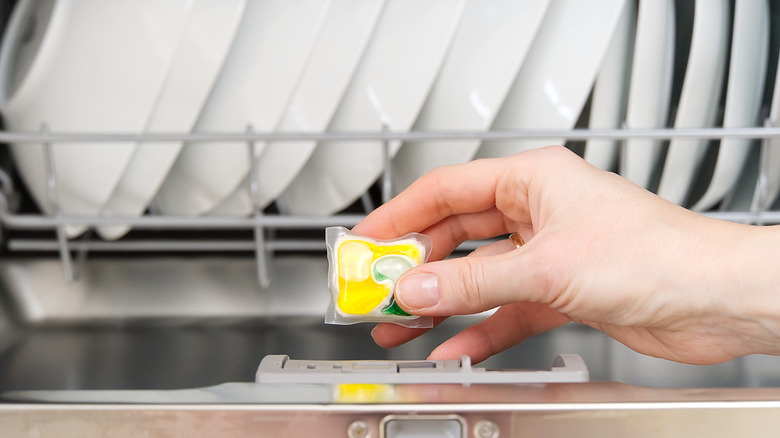
Credit: www.ufinechem.com
Reducing Plastic Waste In Dishwashing
Reducing plastic waste in dishwashing is more important than ever. Dishwasher pods often come wrapped in plastic films or packaging that do not always break down easily. Being aware of how to handle these plastics can make a real difference for the environment and your home.
Proper Disposal Methods
Many dishwasher pods use a type of plastic film designed to dissolve in water, but the outer packaging usually does not. You should never toss the packaging into your regular recycling bin unless it explicitly says it’s recyclable. Check with your local waste management services to find out if they accept this type of plastic.
If the packaging is not recyclable, consider placing it in the trash to avoid contaminating recycling streams. Some brands offer compostable or biodegradable packaging—choosing these reduces plastic waste significantly. You can also collect empty pods’ packaging and bring them to special recycling drop-off points if available in your area.
Consumer Choices And Tips
Choosing pods with minimal or eco-friendly packaging is a smart step. Look for products that use water-soluble films or paper-based wrapping instead of traditional plastic. This small change can reduce the amount of plastic waste you generate every time you run your dishwasher.
Try buying dishwasher pods in bulk to cut down on excess packaging. Bulk buying lowers the frequency of purchases, which often means less packaging waste overall. Have you ever noticed how much plastic piles up after just a few months of buying single-use packs?
Another tip is to switch to powder or liquid detergents sold in recyclable containers if you want to avoid plastic pods altogether. These options allow you to control how much detergent you use, which can also save money. Taking these steps can help you feel more in control of your impact on plastic waste.
Frequently Asked Questions
What Materials Are In Dishwasher Pods’ Plastic Casing?
Dishwasher pods typically use water-soluble plastic films called PVA (polyvinyl alcohol). PVA dissolves completely in hot water during the wash cycle, leaving no solid plastic residue behind.
Does The Plastic In Pods Harm The Environment?
PVA plastic is designed to dissolve safely in water and biodegrade. However, its environmental impact depends on wastewater treatment and local ecosystems.
How Quickly Does Dishwasher Pod Plastic Dissolve?
The plastic casing usually dissolves within minutes during a dishwasher’s hot wash cycle. The exact time depends on water temperature and cycle length.
Is Dishwasher Pod Plastic Recyclable Or Compostable?
PVA films are generally not recyclable through common municipal programs. Some brands claim their plastic is compostable under industrial conditions, but home composting is unlikely.
Conclusion
Plastic in dishwasher pods dissolves quickly during washing. It helps clean dishes but creates tiny plastic particles. These particles can enter water and harm the environment. Choosing pods made from natural materials can reduce pollution. Washing habits also affect how much plastic enters nature.
Simple steps help protect water and wildlife. Understanding this issue helps us make better choices every day. The small actions matter more than we think.