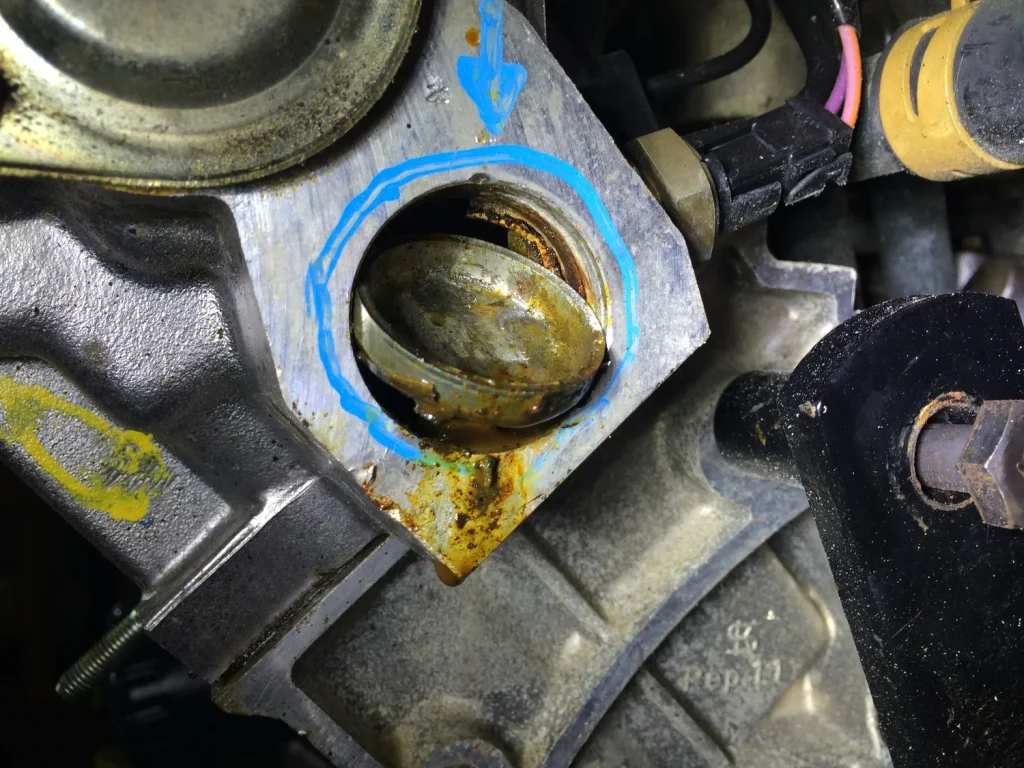
Have you ever wondered what happens when a freeze plug pops out in your car? It might sound like a small problem, but it can lead to serious damage if you don’t act fast.
Your engine depends on these little plugs to keep everything running smoothly. When one fails, it can cause leaks, overheating, and costly repairs. Keep reading to find out exactly what goes wrong, how to spot the signs early, and what steps you should take to protect your vehicle before it’s too late.
This knowledge could save you time, money, and a lot of stress.
Freeze Plug Role
The freeze plug plays a surprisingly important role in your engine’s health and operation. You might not hear much about it until something goes wrong—like it popping out. Understanding its role helps you see why ignoring a small leak can lead to bigger problems down the road.
Purpose In Engine
Freeze plugs, also called core plugs, seal holes left during the engine casting process. These holes are necessary for removing the sand used when shaping the engine block. Once installed, freeze plugs keep coolant from leaking out, maintaining proper engine temperature.
Besides sealing, freeze plugs act as a safety feature. If your engine coolant freezes, it expands and can crack the block. Freeze plugs are designed to pop out under this pressure, preventing costly damage. Have you ever wondered why a small plug might save you from a cracked engine block?
Material And Design
Freeze plugs are usually made of steel, brass, or sometimes rubber-coated metal. Their material choice balances durability with flexibility. This allows them to withstand engine heat and pressure while still being able to pop out under extreme freeze conditions.
The design is simple but effective: a round, thin metal disc pressed into the engine block. Some freeze plugs are coated to resist corrosion, which is a common cause of failure. If you’ve noticed rust or coolant stains near these plugs, it’s a warning sign you should act fast.

Credit: www.reddit.com
Reasons For Failure
Freeze plugs are small but crucial parts of your engine, designed to protect it from damage. When one pops out, it’s often a sign that something has gone wrong internally. Understanding the reasons for failure can help you spot trouble early and avoid costly repairs.
Corrosion Effects
Corrosion is a common culprit behind freeze plug failure. Over time, exposure to coolant and moisture causes rust to form on the plug’s metal surface. This weakens the plug, making it more likely to pop out under pressure.
Have you ever noticed a sweet smell or puddles of coolant around your engine? Those could be early signs of corrosion eating away at your freeze plugs.
Improper Installation
Sometimes freeze plugs fail because they were not installed correctly. If the plug isn’t seated tightly or is hammered in at the wrong angle, it can loosen and fall out. This is often seen in vehicles that have undergone engine repairs or rebuilds.
Ask yourself: Did your mechanic replace freeze plugs recently? If so, double-checking their work might save you from unexpected leaks.
Engine Overheating
Overheating puts extra stress on every part of your engine, including freeze plugs. When the engine runs too hot, it can cause the metal to expand and contract repeatedly. This cycle weakens the freeze plug’s hold and may cause it to pop out.
Pay attention to your temperature gauge—ignoring a hot engine could lead to freeze plug failure and bigger problems down the road.
Freezing Conditions
Freeze plugs are named for their role in freezing conditions. When coolant freezes, it expands and can push the plug out to prevent engine block cracks. However, if the coolant isn’t properly mixed or the plug is already weakened, it might pop out prematurely.
Have you checked your coolant mixture before winter? Using the right antifreeze blend can protect your engine and keep freeze plugs intact.
Signs Of A Popped Plug
A freeze plug popping out can lead to several noticeable signs. Identifying these signs early can prevent further engine damage. Let’s explore some common indicators of a popped freeze plug.
Coolant Leaks
One of the first signs is coolant leaks. You might see puddles under your vehicle. Check for green or orange liquid. This indicates a coolant leak. The engine relies on coolant to maintain temperature. A leak can disrupt this balance.
Engine Overheating
Overheating is another telltale sign. The engine may run hotter than usual. The temperature gauge might show a higher reading. Overheating can cause severe engine damage if not addressed. It’s crucial to monitor engine temperature regularly.
Visible Damage
Inspect the engine block for visible damage. A missing or displaced freeze plug is often noticeable. You might see rust or corrosion around the area. This indicates a problem with the freeze plug. Regular checks can help spot these issues early.
Credit: www.firebirdnation.com
Immediate Actions
Dealing with a popped freeze plug can be stressful, but knowing what to do immediately can prevent further damage to your engine. The first moments after discovering the issue are critical. Acting quickly and wisely can save you from costly repairs and engine failure.
Stopping The Engine
The very first thing you should do is turn off your engine. Continuing to run your car can cause coolant to spray out and lead to overheating. Have you ever ignored a warning light only to face a bigger problem? Don’t let that happen here—stop your engine right away.
Assessing The Leak
Once the engine is off, take a close look at the leak. Is coolant pouring out rapidly, or is it just a slow drip? Checking the size and location of the leak helps you decide your next move. Use a flashlight if needed, and be careful—engine parts can stay hot for a while.
Temporary Fixes
If you’re stuck far from a mechanic, some temporary fixes can hold you over. Applying a high-temperature epoxy or a freeze plug repair kit might slow the leak. Make sure the engine has cooled down before attempting any fixes. Remember, these are short-term solutions to get you to a shop safely.
Permanent Repair Options
When a freeze plug pops out, fixing it permanently is crucial to avoid engine damage. Temporary fixes only delay the problem. Choosing the right repair option ensures your engine runs smoothly. Several permanent solutions exist, each with benefits and costs to consider.
Replacing The Freeze Plug
Replacing the freeze plug is the most reliable fix. The old plug is removed and a new one is installed in its place. This stops coolant leaks and prevents engine overheating. The process requires draining the coolant, cleaning the area, and pressing the new plug firmly.
Use the correct size and type of freeze plug for your engine model. Proper sealing is essential to avoid future leaks. This repair restores the engine’s integrity and cooling system function.
Professional Repair Vs Diy
Professional repair offers expertise and proper tools. Mechanics can quickly replace freeze plugs and check for related issues. This option reduces risks and ensures quality work.
DIY repair can save money but requires skill. You must have tools like a freeze plug driver and coolant refill supplies. Mistakes can cause leaks or engine damage. Follow repair guides carefully if attempting DIY.
Cost Considerations
Costs vary by repair choice and vehicle type. Professional repair can range from $100 to $300 or more. Labor makes up most of the price.
DIY repair costs less but includes buying tools and parts. Freeze plugs cost between $5 and $20 each. Consider your skill level to avoid extra expenses from errors.
Long-term, professional repair may save money by preventing further damage. Choose the option that fits your budget and confidence best.
Preventing Future Issues
Preventing future issues with freeze plugs requires attention to several key areas. Small steps can save you from costly repairs and engine damage. Understanding how to maintain your vehicle and handle parts properly helps keep your engine safe and running smoothly.
Regular Maintenance
Check your cooling system often. Look for leaks, rust, or worn parts. Flush the coolant system based on your vehicle’s schedule. Replace old or damaged freeze plugs promptly. Routine checks catch problems early, avoiding bigger damage.
Coolant Quality
Use the right coolant type recommended by your car maker. Avoid mixing different coolants. Poor quality or wrong coolant can cause corrosion and freeze plug failure. Change coolant regularly to keep it clean and effective. Proper coolant protects your engine and freeze plugs.
Proper Installation Techniques
Install freeze plugs with care. Use the correct tools and follow manufacturer instructions. Avoid hammering too hard or placing plugs unevenly. A poorly installed freeze plug can pop out quickly. Take time during installation to ensure a tight, secure fit.
Credit: www.cadillacforums.com
Frequently Asked Questions
What Causes A Freeze Plug To Pop Out?
A freeze plug pops out due to extreme engine temperature changes. Freezing coolant expands and pushes the plug out. Corrosion or poor installation can also cause it to fail.
What Are The Symptoms Of A Popped Freeze Plug?
Symptoms include coolant leaks under the engine, overheating, and low coolant levels. You might notice steam or puddles of coolant. Engine performance may also drop due to overheating.
Can A Popped Freeze Plug Cause Engine Damage?
Yes, a popped freeze plug can lead to severe engine damage. Coolant loss causes overheating, which may warp the engine block or head. Immediate repair is essential to avoid costly engine failure.
How Is A Popped Freeze Plug Repaired?
Repair involves draining coolant, removing the old plug, and cleaning the area. A new freeze plug is then installed and sealed properly. Finally, refill the coolant and check for leaks.
Conclusion
A freeze plug popping out can cause serious engine trouble. It lets coolant leak, leading to overheating and damage. Fixing it quickly saves time and money. Regular car checks help spot problems early. Keep an eye on your engine’s temperature and fluid levels.
Taking care of small issues prevents big repairs later. Your car will run smoother and last longer. Stay alert and act fast to protect your vehicle.