Have you ever wondered what really happens when a refrigerant evaporates? Whether you’re curious about how your air conditioner cools your home or want to understand why your fridge keeps things fresh, knowing this process is key.
When a refrigerant changes from liquid to gas, it sets off a chain reaction that cools the air around you. But there’s more to it than just temperature changes—it affects energy use, system efficiency, and even your bills. Keep reading, and you’ll discover how this simple change powers your comfort and what it means for your appliances.

Credit: www.reddit.com
Refrigerant Basics
Understanding refrigerant basics is key to grasping what happens when a refrigerant evaporates. Refrigerants are the lifeblood of cooling systems, allowing them to absorb heat and maintain comfortable temperatures. Knowing their types and roles helps you see why they’re essential and how they work in everyday appliances like your air conditioner or fridge.
Types Of Refrigerants
Refrigerants come in various types, each designed for specific cooling needs and environmental concerns. Some common types include:
- Chlorofluorocarbons (CFCs)– Older refrigerants, now mostly phased out due to ozone depletion.
- Hydrochlorofluorocarbons (HCFCs)– Transitional refrigerants with less ozone impact but still being replaced.
- Hydrofluorocarbons (HFCs)– Widely used today; they don’t harm the ozone but can affect the climate.
- Natural refrigerants– Like ammonia and carbon dioxide, these are eco-friendly alternatives gaining popularity.
Choosing the right refrigerant affects efficiency and environmental impact. Have you ever wondered why your old fridge was replaced with a more eco-friendly model?
Role In Cooling Systems
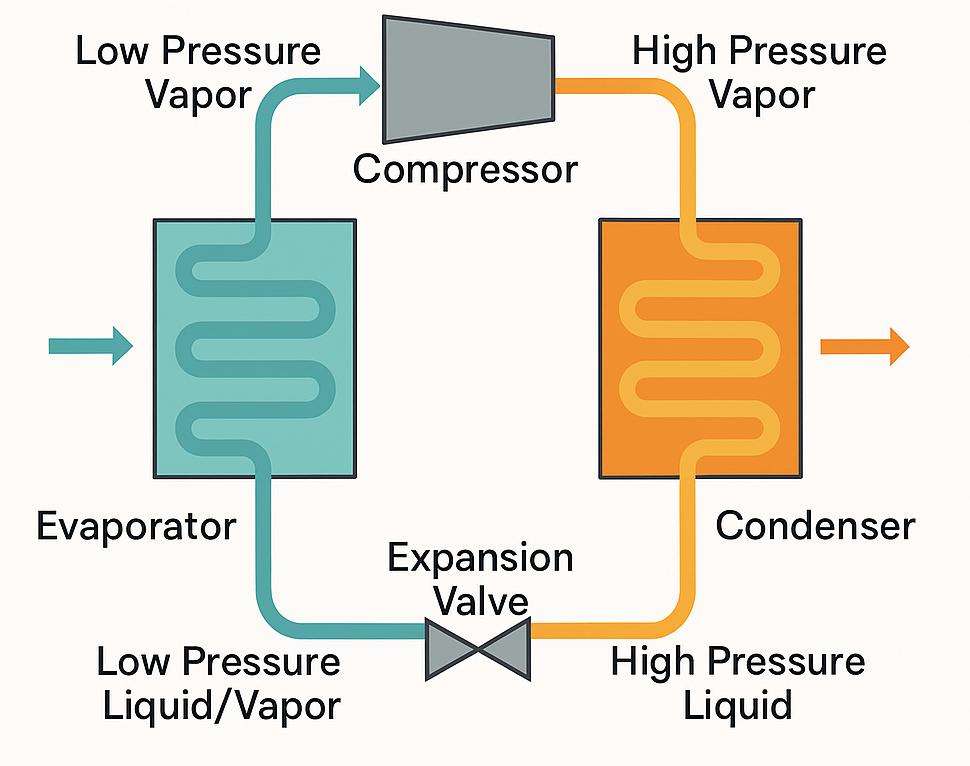
Refrigerants play a crucial role by changing states between liquid and gas to transfer heat. When a refrigerant evaporates, it absorbs heat from the environment, cooling the surrounding air or space.
This phase change is what makes your AC or fridge effective. The refrigerant picks up heat inside your home, turns into a gas, and then releases the heat outside when it condenses back into liquid.
Understanding this cycle helps you appreciate why leaks or low refrigerant levels make your cooling system less efficient. What would happen if the refrigerant never evaporated properly?

Credit: www.searshomeservices.com
Evaporation Process
The evaporation process in refrigerants is vital for cooling systems. When refrigerants evaporate, they absorb heat, making them efficient for air conditioning and refrigeration. Understanding how this process works is essential for maintaining these systems.
Phase Change Details
Refrigerants change from liquid to gas during evaporation. This phase change is a key aspect of the cooling cycle. The liquid refrigerant enters the evaporator coil. As it moves through, it absorbs heat from the surrounding air. This heat absorption causes the refrigerant to evaporate. The gas then carries the absorbed heat away from the area.
Energy Absorption
During evaporation, refrigerants absorb energy in the form of heat. This energy absorption is crucial for cooling. As the refrigerant absorbs heat, it cools the surrounding environment. This cooling effect makes it possible to lower temperatures in homes and appliances. The efficient transfer of heat ensures effective temperature control.
Temperature Changes
Temperature changes play a crucial role when a refrigerant evaporates. This phase change causes noticeable shifts in heat energy, which directly affects cooling systems and their efficiency. Understanding these changes helps you grasp how refrigeration works and why your AC or fridge feels cold.
Cooling Effect Explained
When a refrigerant evaporates, it absorbs heat from its surroundings. This happens because evaporation requires energy to break the liquid molecules apart and turn them into gas.
As the refrigerant takes in heat, the temperature around it drops. This is why the evaporator coil in your air conditioner feels cold—it’s pulling heat away from the air inside your home.
Think about sweating on a hot day; your body cools down because sweat evaporates, absorbing heat from your skin. Refrigerants work on a similar principle inside cooling systems.
Impact On Surroundings
The cooling effect of refrigerant evaporation doesn’t just stay inside the coil; it affects the entire space around it. Air passing over the evaporator coil loses heat, which lowers the room temperature.
This heat absorption can cause moisture in the air to condense on cold surfaces, leading to the formation of water droplets. That’s why you often see water dripping from air conditioners.
Have you noticed how a cold drink sweats on a hot day? That’s condensation caused by temperature changes, similar to what happens during refrigerant evaporation.
Pressure Variations
Pressure changes play a key role when refrigerant evaporates in a cooling system. The process affects the system’s overall function. Understanding these pressure variations helps in maintaining efficiency and avoiding damage. The refrigerant changes from liquid to gas, causing shifts in pressure that influence the system’s balance.
Pressure Drop During Evaporation
As refrigerant evaporates, its pressure drops significantly. This drop happens because the liquid absorbs heat and turns into vapor. The pressure reduction allows the refrigerant to expand. This expansion cools the surrounding air or space.
The pressure drop is essential for the refrigeration cycle. Without this drop, the refrigerant cannot absorb enough heat. The evaporator coil relies on low pressure to perform properly. If pressure stays high, cooling efficiency decreases.
System Pressure Balance
The refrigeration system maintains balance between high and low pressures. The compressor increases pressure on the refrigerant gas. The evaporator lowers pressure, letting the refrigerant evaporate.
This balance ensures continuous heat transfer. When pressure is too low or too high, the system struggles. Proper pressure balance helps avoid compressor overload and coil freezing. Regular checks keep the system stable and efficient.
Heat Transfer Dynamics
The process of refrigerant evaporation is key to how cooling systems work. It involves complex heat transfer dynamics that allow the system to absorb and move heat effectively. Understanding these dynamics helps explain how cooling is achieved and maintained inside refrigerators and air conditioners.
Heat Absorption From Environment
As the refrigerant evaporates, it changes from liquid to gas. This phase change requires energy, called latent heat. The refrigerant absorbs this heat from its surroundings, usually the inside of a refrigerator or room air. This absorption cools the environment because heat moves from the warmer space to the cooler refrigerant.
The refrigerant’s ability to absorb heat depends on its pressure and temperature. Lower pressure makes evaporation easier and increases heat absorption. This is why compressors in cooling systems reduce the refrigerant’s pressure before it enters the evaporator coil.
Effect On System Efficiency
The efficiency of a cooling system relies on how well the refrigerant evaporates and absorbs heat. If evaporation is incomplete or slow, the system works harder to maintain the desired temperature. This can increase energy use and wear on components.
Efficient heat transfer during evaporation leads to better cooling performance and lower energy bills. Proper refrigerant levels and clean evaporator coils support this efficiency. Any leaks or blockages reduce the refrigerant’s ability to absorb heat, lowering system effectiveness.
Unexpected Effects
Refrigerant evaporation causes more than just cooling. It can lead to unexpected effects that impact the system’s performance and safety. These effects often hint at underlying issues or normal physical reactions during operation. Understanding them helps in maintaining and troubleshooting refrigeration equipment.
Frost Formation
As refrigerant evaporates, it absorbs heat and cools the surrounding metal parts. This cooling can cause moisture in the air to condense and freeze on surfaces. Frost forms especially on evaporator coils and pipes. Excessive frost buildup reduces efficiency by blocking airflow. It may also cause the system to work harder, increasing energy use. Regular defrost cycles are needed to prevent frost from damaging the unit.
Noise And Vibration
Evaporation of refrigerant changes pressure inside the system. These pressure changes can create vibrations and unusual noises. Sounds like hissing, bubbling, or rattling often come from the evaporator or expansion valve. Noise may signal refrigerant flow issues or mechanical problems. Persistent noise and vibration can lead to wear and tear, reducing the lifespan of the equipment. Detecting these sounds early helps avoid costly repairs.
Environmental Implications
Understanding the environmental implications of refrigerant evaporation is crucial, especially as these chemicals play a significant role in cooling systems worldwide. When refrigerants escape into the atmosphere, they don’t just vanish; their effects ripple through the environment in ways that can be harmful and long-lasting. Let’s dive into how these leaks can impact our planet and what that means for you and your community.
Refrigerant Leakage Risks
Refrigerant leaks often go unnoticed because they are colorless and odorless. This makes detecting them tricky without proper equipment. However, even small leaks add up over time, releasing harmful gases into the air.
Leaks can happen due to poor maintenance, faulty equipment, or accidental damage. You might think a minor leak isn’t a big deal, but it can slowly degrade the efficiency of your system and increase energy consumption. This not only costs you more money but also contributes to environmental harm.
- Old or damaged seals can let refrigerants escape.
- Improper handling during repairs increases leakage risks.
- Ignoring small leaks can lead to larger system failures.
Have you checked your air conditioner or fridge for leaks recently? Regular inspections can help you catch these issues early, saving money and protecting the environment.
Impact On Climate
Many refrigerants have high global warming potential (GWP), meaning they trap heat in the atmosphere far more effectively than carbon dioxide. When they evaporate into the air, they contribute significantly to climate change.
Certain refrigerants, like hydrofluorocarbons (HFCs), have been linked to ozone layer depletion and global warming. Even though newer refrigerants are designed to be less harmful, improper disposal or leaks still pose a serious threat.
| Refrigerant Type | Global Warming Potential (GWP) | Environmental Impact |
|---|---|---|
| Chlorofluorocarbons (CFCs) | 1,000 – 10,000+ | Ozone depletion and high GWP |
| Hydrofluorocarbons (HFCs) | 100 – 4,000+ | High GWP, no ozone depletion |
| Hydrofluoroolefins (HFOs) | <10 | Low GWP, ozone friendly |
Have you thought about how your use of cooling systems affects the planet? By choosing equipment with low-GWP refrigerants and ensuring proper maintenance, you can reduce your carbon footprint and support global climate efforts.
Maintenance Tips
Proper maintenance helps avoid problems caused by refrigerant evaporation. Regular checks keep systems efficient and safe. Understanding key maintenance tips can extend the life of your cooling equipment.
Monitoring Refrigerant Levels
Check refrigerant levels often to spot leaks early. Low refrigerant means the system works harder and uses more energy. Use gauges and sensors to measure pressure accurately. Record readings to track changes over time. Promptly refill or repair if levels drop below recommended amounts.
Preventing Evaporation Issues
Seal all joints and connections tightly to stop leaks. Replace worn-out gaskets and O-rings regularly. Clean coils and filters to maintain proper airflow. Avoid overcharging the system, as it can cause pressure problems. Schedule professional inspections at least once a year. Keep equipment in shaded, cool areas to reduce heat stress.

Credit: medium.com
Frequently Asked Questions
What Happens To Temperature When Refrigerant Evaporates?
When refrigerant evaporates, it absorbs heat and cools the surrounding area. This process lowers the temperature in cooling systems.
Why Is Refrigerant Evaporation Crucial In Ac Units?
Refrigerant evaporation removes heat from indoor air. It enables air conditioners to cool rooms efficiently and maintain comfort.
How Does Refrigerant Evaporation Affect Pressure In The System?
During evaporation, refrigerant pressure drops in the evaporator coil. This pressure change allows the refrigerant to absorb heat effectively.
Can Refrigerant Evaporation Cause System Leaks?
Refrigerant evaporation itself doesn’t cause leaks. However, leaks can occur if the system is damaged or improperly maintained.
Conclusion
Refrigerant evaporation plays a key role in cooling systems. It absorbs heat and helps keep things cold. This process changes the refrigerant from liquid to gas. Understanding this helps you see how your fridge or AC works. Proper maintenance keeps the system efficient and safe.
Watch for leaks to avoid problems and save energy. Knowing what happens during evaporation can help you care for your appliances better. Simple but important.