Have you ever wondered what really happens inside your air conditioner or refrigerator? When a refrigerant is compressed and condensed, it’s not just a simple change—it’s a powerful process that makes your space cool and comfortable.
Understanding this can help you appreciate how these machines work and even spot problems early. You’ll discover the step-by-step changes the refrigerant goes through and why each phase is so important. Keep reading, and you’ll see how this hidden process affects your everyday comfort.

Credit: medium.com
Refrigerant Basics
Refrigerants are the heart of cooling systems. They move heat from one place to another. This movement keeps spaces cool and comfortable. Understanding refrigerant basics helps to know how air conditioners and refrigerators work. The process of compression and condensation changes the refrigerant’s state. This change allows it to absorb and release heat efficiently. Let’s explore the types of refrigerants and their role in cooling systems.
Types Of Refrigerants
- CFCs (Chlorofluorocarbons):Older refrigerants, harmful to the ozone layer.
- HCFCs (Hydrochlorofluorocarbons):Less harmful but still being phased out.
- HFCs (Hydrofluorocarbons):Common today, no ozone depletion but high global warming potential.
- Natural Refrigerants:Include ammonia, carbon dioxide, and hydrocarbons; eco-friendly options.
- New Blends:Designed to reduce environmental impact and improve efficiency.
Role In Cooling Systems
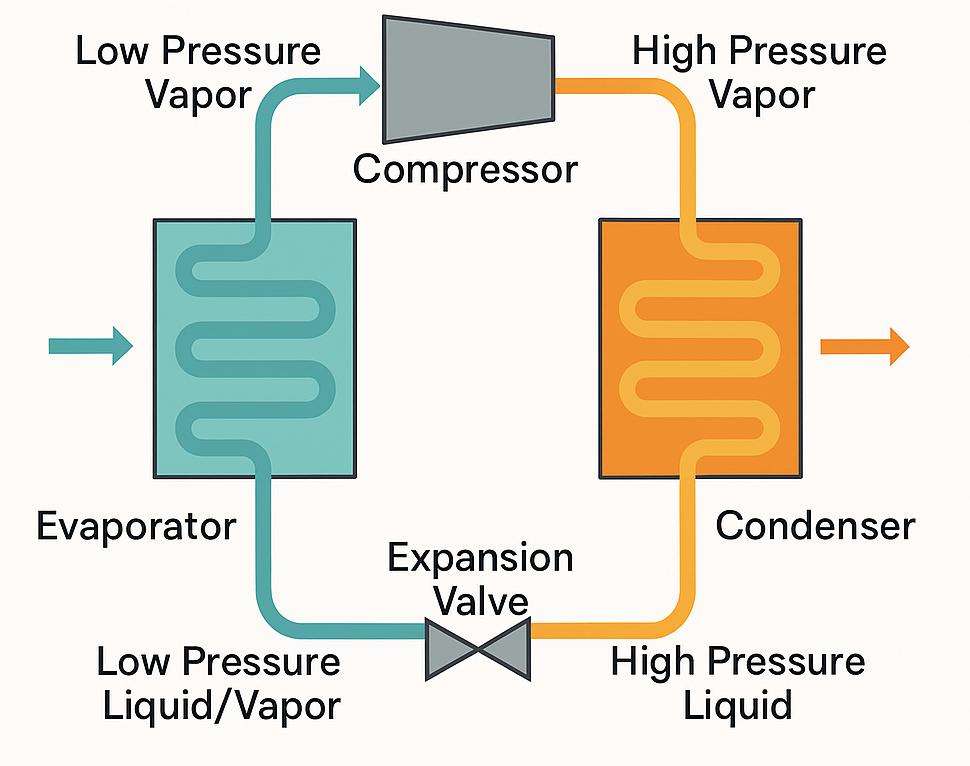
The refrigerant absorbs heat inside the cooling unit. It changes from liquid to gas as it heats up. Then, it moves to the compressor, where pressure rises. Compression raises the refrigerant’s temperature and pressure. Next, it flows through the condenser coils. Here, the refrigerant releases heat and turns back into liquid. This cycle repeats, removing heat from the space. The process keeps the air cool and dry.

Credit: www.reddit.com
Compression Process
The compression process is a critical stage in the refrigeration cycle. It transforms the refrigerant, preparing it for heat release. Understanding what happens during compression helps you see why your cooling system works efficiently or struggles.
Pressure Increase
As the refrigerant enters the compressor, it is squeezed into a much smaller space. This action raises the refrigerant’s pressure significantly.
Higher pressure means the refrigerant molecules are packed tightly together. This change is essential because it sets the stage for heat to be pushed out during condensation.
Temperature Rise
Compressing the refrigerant doesn’t just increase pressure—it also raises its temperature. This happens because squeezing the gas makes its molecules move faster and collide more often.
Imagine how your bike pump gets warm after inflating a tire. The same idea applies here. The hotter refrigerant is now ready to release heat when it reaches the condenser.
State Changes
During compression, the refrigerant typically remains in a gas state but becomes superheated. This means it is hotter than its boiling point at the increased pressure.
This superheated gas then flows into the condenser, where it changes to a liquid as it cools down. That state change is what allows the refrigerant to absorb heat from your home later on.
Condensation Process
The condensation process is a key part of how refrigerants work in cooling systems. It happens after the refrigerant is compressed and moves to the condenser. In this phase, the refrigerant changes from a gas to a liquid. This change is important for the refrigeration cycle to continue and keep things cool.
Heat Release
During condensation, the refrigerant releases heat. The hot gas cools down as it touches the condenser coils. This heat moves from the refrigerant to the surrounding air or water. The release of heat helps the refrigerant lose energy and start turning into a liquid.
Phase Transition
The refrigerant changes its state from gas to liquid. This is called a phase transition. It happens at a specific temperature and pressure. The refrigerant molecules slow down and come closer together. This change is essential to prepare the refrigerant for the next step in the cooling cycle.
Energy Transfer
Energy moves out of the refrigerant during condensation. This transfer happens because of temperature differences. The refrigerant’s heat energy moves to the environment outside the system. This energy flow keeps the refrigerant cool and ready to absorb heat again in the evaporator.

Credit: www.achrnews.com
Impact On System Efficiency
The impact of refrigerant compression and condensation on system efficiency is significant. These processes directly influence how well your cooling system performs and how much energy it consumes. Understanding these effects can help you optimize your system for better performance and lower operating costs.
Effect Of Compression
Compression raises the refrigerant’s pressure and temperature, which is essential for moving heat out of your space. However, it also requires energy, often making it one of the biggest power consumers in your system.
If the compressor works harder than necessary, it can reduce overall efficiency. This might happen if the refrigerant is not at the right level or if the compressor is aging. Have you ever noticed higher energy bills without a clear reason? It could be related to inefficient compression.
Effect Of Condensation
Condensation turns the hot, high-pressure refrigerant gas into a liquid, releasing heat outside your home or building. Efficient condensation means more heat is removed, improving cooling performance.
But if the condenser coil is dirty or blocked, condensation slows down, making the compressor work harder. This cycle of inefficiency can lead to increased wear and higher energy use. Are you maintaining your condenser coil regularly to avoid this hidden drain on your system’s efficiency?
Common Issues During Compression And Condensation
Compression and condensation are key steps in a refrigeration cycle. Problems during these steps affect system efficiency and lifespan. Common issues include overheating, refrigerant leaks, and pressure imbalances. These problems cause poor cooling and higher energy use. Understanding these issues helps maintain smooth operation and avoid costly repairs.
Overheating
Overheating happens when the compressor works too hard or the condenser is clogged. It raises the temperature inside the system. High heat can damage compressor parts. It also reduces the refrigerant’s ability to cool. Regular cleaning and proper airflow prevent overheating.
Refrigerant Leaks
Leaks let refrigerant escape from the system. Low refrigerant levels cause poor cooling and higher energy bills. Leaks often occur at joints, seals, or damaged pipes. Detecting leaks early stops further damage. Professionals use special tools to find and fix leaks quickly.
Pressure Imbalances
Pressure imbalances disrupt the refrigerant flow and cooling process. Too high or too low pressure harms the compressor and other parts. Causes include blockages, faulty valves, or wrong refrigerant charge. Monitoring pressure levels regularly ensures the system runs smoothly and efficiently.
Technological Advances
Technological advances have changed how refrigerants are compressed and condensed. These improvements boost efficiency and reduce environmental harm. New tools and materials help systems run smoother and use less energy. These changes benefit homes, businesses, and the planet.
Improved Compressors
Compressors now use better designs and materials. They consume less power but deliver higher pressure. These compressors are quieter and last longer. Variable speed motors adjust power based on cooling needs. This saves energy and lowers electricity bills. They also reduce wear and tear on parts.
Eco-friendly Refrigerants
New refrigerants have less impact on the environment. They produce fewer greenhouse gases and do not harm the ozone layer. Many are safer for humans and animals. These refrigerants work well with modern compressors. They maintain cooling performance while cutting emissions. This supports cleaner air and a healthier planet.
Frequently Asked Questions
What Happens When Refrigerant Is Compressed?
When refrigerant is compressed, its pressure and temperature rise. This process prepares it for heat release in the condenser. Compression turns low-pressure vapor into high-pressure, high-temperature vapor, essential for efficient cooling cycles in HVAC systems.
How Does Refrigerant Condensation Work?
Refrigerant condensation occurs when high-pressure vapor cools in the condenser. It releases heat to the surroundings and changes into a high-pressure liquid. This phase change is crucial for the refrigerant to absorb heat again in the evaporator.
Why Is Compressing Refrigerant Important?
Compressing refrigerant is vital because it increases pressure and temperature. This enables the refrigerant to release heat during condensation. Without compression, the refrigeration cycle cannot move heat effectively, reducing system efficiency.
What Role Does Condensation Play In Refrigeration?
Condensation removes heat from the refrigerant by changing it from vapor to liquid. This heat release allows the refrigerant to cool and be ready to absorb heat again. It is essential for maintaining continuous cooling.
Conclusion
Compressing and condensing a refrigerant changes it from gas to liquid. This process releases heat, which is important for cooling systems. It helps move heat away from the inside of a building. The refrigerant then cools down and starts the cycle again.
Understanding this cycle shows how air conditioners and refrigerators work. It also explains why regular maintenance keeps these systems efficient. Remember, the compressed refrigerant carries energy needed to cool spaces. This simple change in state powers many devices that keep us comfortable every day.